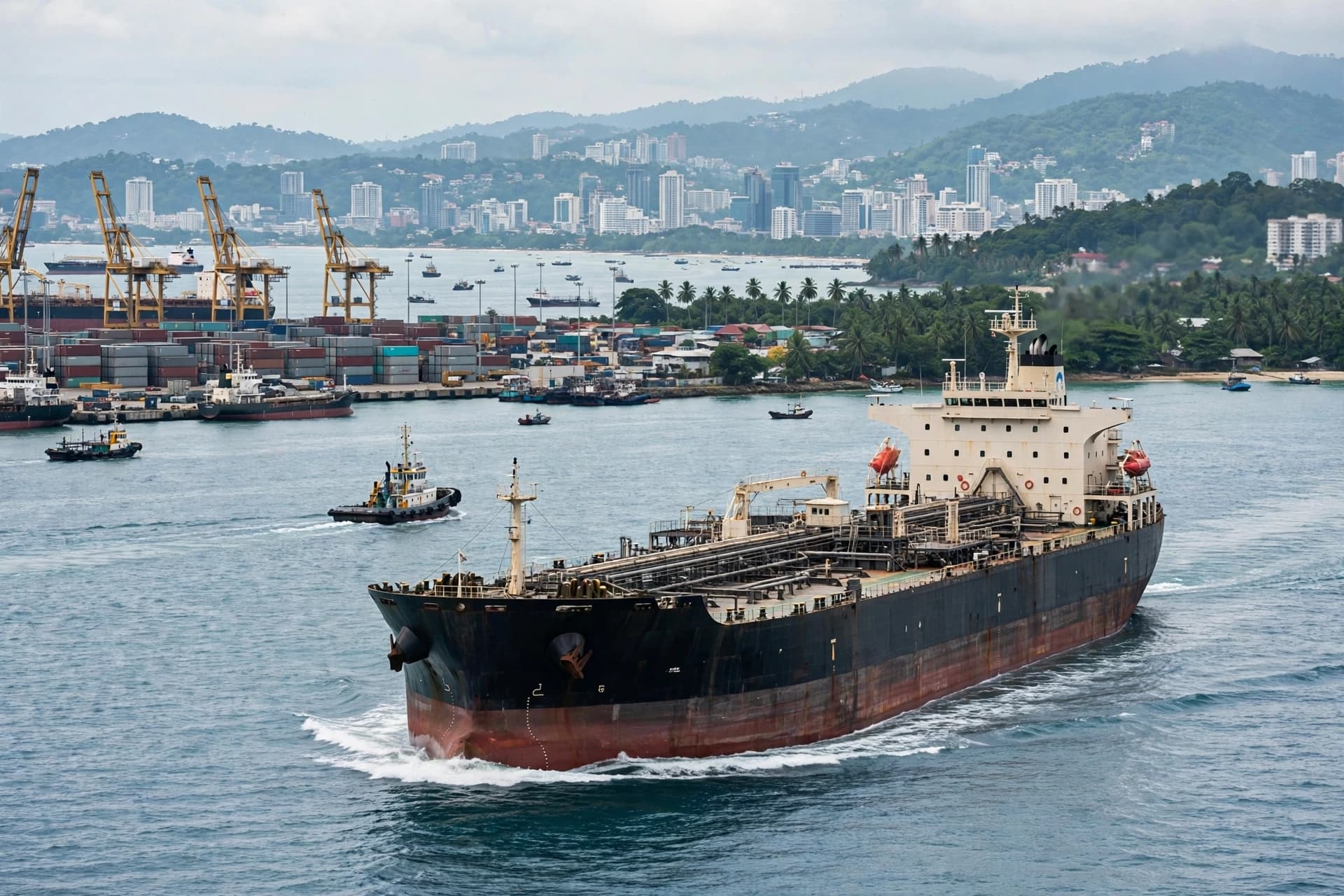
Financial markets often resemble a vast ocean before a storm. The surface may appear calm at first glance, yet beneath it currents shift quietly, responding to distant winds and unseen pressure. On Wall Street, traders began the day watching such subtle changes, as futures tied to the S&P 500 edged lower ahead of a closely watched inflation report.
The mood across markets reflected a moment of cautious anticipation. Investors were not only preparing for fresh economic data from the United States but also measuring the growing geopolitical tension tied to the conflict involving Iran. In recent weeks, those two forces — inflation and global instability — have begun to move together, shaping the rhythm of financial markets.
S&P 500 futures slipped slightly in early trading, while contracts linked to the Dow Jones Industrial Average and Nasdaq also moved modestly lower. The decline was not dramatic, but it suggested a market pausing before a potentially significant moment: the release of new inflation data that could influence the path of U.S. interest rates.
Inflation reports often carry outsized weight in financial circles. They offer clues about how quickly prices are rising across the economy and whether the Federal Reserve might adjust monetary policy in response. For investors, even small shifts in inflation expectations can ripple across equities, bonds, and currencies.
This time, however, another factor has been influencing sentiment — the surge in energy prices linked to tensions in the Middle East. Oil prices have climbed sharply as the conflict surrounding Iran threatens supply routes through the Strait of Hormuz, a narrow waterway that normally carries roughly one-fifth of the world’s oil shipments.
Energy markets have reacted swiftly to the uncertainty. Brent crude recently pushed above the $100-per-barrel threshold, reflecting fears that disruptions to shipping lanes could tighten global supply. Analysts warn that if the strait remains unstable, energy costs could continue rising, adding pressure to inflation around the world.
For stock markets, higher oil prices often present a complex equation. Energy companies may benefit from stronger crude prices, yet other industries — particularly airlines, transportation firms, and manufacturers — face rising operating costs. Investors therefore watch energy markets closely as a signal of broader economic direction.
Recent trading sessions have reflected this delicate balance. Global equities have experienced bouts of volatility, with some markets slipping as investors shift toward safer assets during periods of geopolitical tension. Asian markets also declined amid worries about the potential disruption to global oil supplies.
At the same time, traders remain focused on economic data from the United States. The upcoming inflation report is expected to provide insight into whether price pressures are easing or persisting. If inflation proves higher than expected, it could strengthen the case for keeping interest rates elevated for longer, which tends to weigh on equity valuations.
Bond markets are already reflecting some of that uncertainty. Yields on U.S. government bonds have moved higher in recent weeks as investors reassess the outlook for inflation and economic growth. Rising yields can influence stock prices by altering the relative attractiveness of riskier assets.
Meanwhile, policymakers and energy agencies have attempted to calm markets by releasing strategic oil reserves in an effort to offset supply disruptions. Yet analysts caution that such measures may only provide temporary relief if geopolitical tensions remain unresolved.
In this environment, traders often adopt a wait-and-see approach. Markets may drift slightly lower or higher as participants gather new information and reassess risk.
For now, the immediate picture is relatively clear. S&P 500 futures edged lower as investors awaited key inflation data, while oil prices and developments in the Iran conflict continued to shape the global economic outlook.
The coming days are expected to bring both economic indicators and geopolitical developments that may further influence the direction of financial markets.
AI Image Disclaimer Visuals are created with AI tools and are not real photographs.
Sources CNBC Reuters Associated Press Bloomberg Yahoo Finance
Published by Banx Network. This article is part of the Banx decentralized media programme, powered by the BXE token on the XRP Ledger.