There are seasons in global finance that resemble shifting tides. Quiet at first, almost imperceptible, then gradually unmistakable as the shoreline redraws itself. Saudi Arabia’s decision to fully open its stock market to foreign investors feels like such a tide—measured, deliberate, yet capable of carrying influence far beyond its immediate shores. And as the waters widen around Riyadh, another horizon comes into view: Africa.
For years, Saudi Arabia’s capital markets operated with structured thresholds, allowing international participation but within carefully defined limits. The recent removal of key restrictions signals not just regulatory reform, but a broader invitation—an acknowledgment that global capital flows more freely in an interconnected world. The Tadawul exchange, once cautiously accessed, now stands more openly aligned with international investors seeking diversification and emerging market opportunity.
This shift does not exist in isolation. It unfolds within the Kingdom’s Vision 2030 strategy, a blueprint aimed at diversifying economic foundations beyond oil and cultivating stronger international financial linkages. By broadening investor access, Saudi regulators are encouraging deeper liquidity, wider ownership structures and stronger integration into global equity benchmarks. Markets, after all, are conversations. And Saudi Arabia has widened the circle of participants.
Yet perhaps the quieter story lies not only within the Kingdom, but across the Red Sea.
Africa and Saudi Arabia share longstanding commercial ties rooted in energy, infrastructure and trade. As Saudi capital markets deepen and attract broader global investment, institutional investors and sovereign funds operating in the Kingdom may find themselves positioned with greater flexibility to expand outward. Increased liquidity at home can translate into greater outbound investment capacity—particularly toward emerging regions offering growth potential.
Already, Gulf capital has played a visible role in African infrastructure, logistics and energy projects. The opening of Saudi stocks to a broader investor base may reinforce this dynamic indirectly. As foreign capital flows into Saudi equities, domestic financial institutions could experience strengthened balance sheets and enhanced investment mandates. The ripple effect may extend into cross-border ventures, including joint projects in renewable energy, mining, ports and digital infrastructure across African markets.
There is also a signaling effect. When a major regional economy liberalizes access to its markets, it reinforces a narrative of openness and reform. For African economies seeking to deepen their own capital markets and attract international funds, Saudi Arabia’s move offers a comparative example of gradual integration into global financial architecture. It becomes less a solitary policy adjustment and more part of a broader conversation about emerging market participation in global capital flows.
Of course, capital movement is rarely automatic. It responds to governance standards, macroeconomic stability and risk assessment. But as Saudi Arabia positions itself as a financial hub linking Asia, Europe and Africa, the connective tissue between these regions may grow more visible. Financial corridors often follow commercial ones, and history shows that where trade expands, investment partnerships tend to follow.
The Kingdom’s stock market opening may therefore represent not just an inward reform, but an outward opportunity—one that subtly reshapes financial relationships across regions.
In practical terms, Saudi Arabia has removed the Qualified Foreign Investor requirement, allowing broader categories of international investors to participate directly in listed equities, while maintaining certain ownership caps and regulatory safeguards. Market data in the weeks following the reform has indicated renewed foreign buying interest. Analysts will continue to monitor how sustained these inflows become and whether secondary effects materialize in outbound investments.
For Africa, the implications are neither immediate nor guaranteed. But in the quiet recalibration of capital flows, new partnerships often begin not with announcements, but with access. And access, once widened, can create pathways that stretch farther than first imagined.
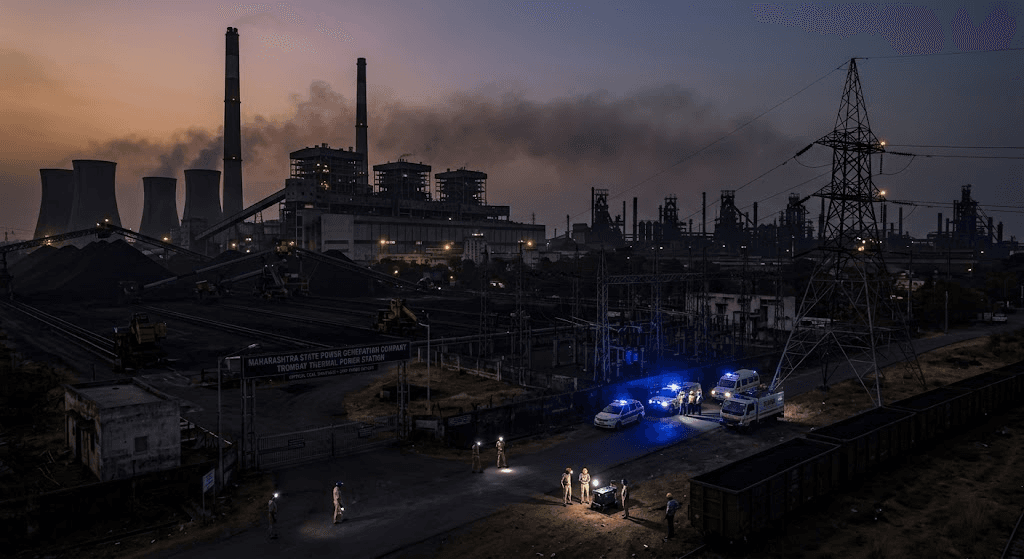
AI Image Disclaimer Graphics are AI-generated and intended for representation, not reality.
Source Check
Reuters
Bloomberg
Financial Times
Arab News
CNBC
Published by Banx Network. This article is part of the Banx decentralized media programme, powered by the BXE token on the XRP Ledger.