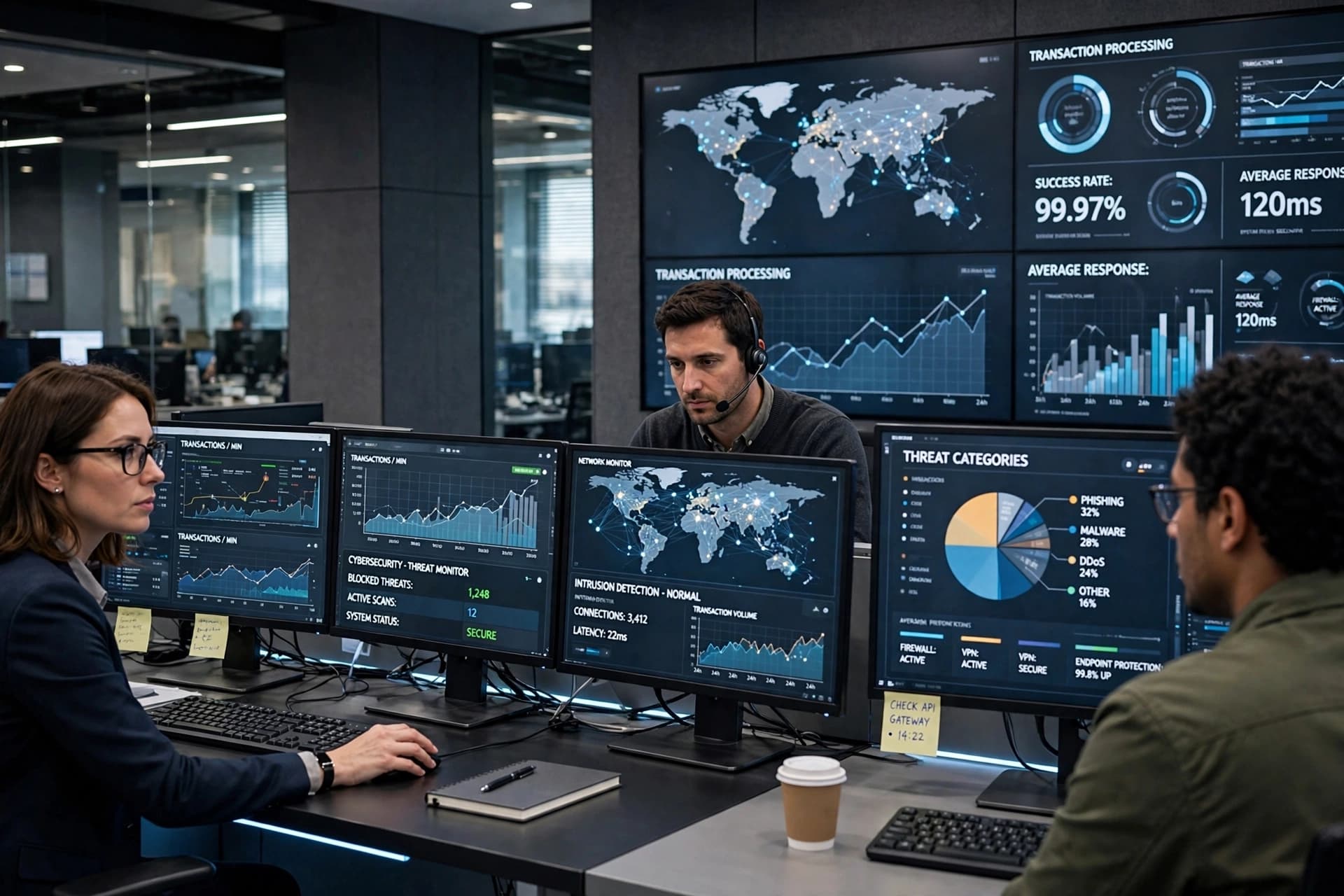
In the quiet hours before markets awake, there are moments when the financial world feels like a vast sea at dawn — gentle, expectant, holding its breath between tides. At such times, a distant gust can ripple across the waters and make distant shores stir. So it was this week, as the announcement of renewed geopolitical manoeuvres — tied to an unusual focus on a far-northern land — seemed to whisper through trading floors from Asia to Europe and beyond.
The world’s stock markets, like fleets of ships anchored at the edge of horizon, responded with a subtle but clear shift. On Tuesday, broad indexes turned softer, with futures tied to major U.S. benchmarks dipping as global investors weighed fresh trade uncertainty. The U.S. dollar, a currency long regarded as a steady compass for world finance, slipped against some of its counterparts, reflecting a momentary rustle of risk aversion.
Much of the nervousness stemmed from statements tied to tariff threats against a group of allied nations — a move entwined with a high-profile campaign to bring Greenland into a new strategic fold. The result was not a sudden storm, but a discernible shift: European shares retreated from recent heights, and Asian markets felt the ripple of cautious selling.
In market vernacular, traders spoke of a return of the “Sell America” trade — a phrase born in past cycles of international portfolio reshuffling when confidence in U.S. policy seemed to waver. That sentiment nudged some investors toward traditional safe havens: currencies like the Swiss franc gained mild ground while precious metals enjoyed renewed interest.
The sentiment was not one of panic but reflection — a reminder that financial markets are not merely cold sheets of numbers, but human ecosystems woven from expectation, trust, and interpretation. Even as trade desks in Singapore marked lower shares and yields in New York crept higher, there was a collective sense of watching, waiting, and weighing what might come next.
Across economic capitals, policymakers and market watchers alike sought to frame the developments with measured thought. Some pointed to diplomatic channels and scheduled global forums this week as opportunities for tempering rhetoric and clarifying intentions, suggesting that caution and dialogue may yet ease the unsettled air.
In the gentle interplay between geopolitical ambition and market response, the narrative reminds us that even vast financial currents can change course not only with storms, but with subtle winds of policy and perception.
As markets settle into the rest of the week, price movements and currency flows will reflect not only economic data but the broader climate of confidence. For now, traders and observers move forward with soft steps, each quote and trade a quiet echo of broader global discourse.
AI Image Disclaimer (rotated wording) Visuals are created with AI tools and are not real photographs.
Sources (Media Names Only) Reuters New Straits Times (Reuters) Financial Times Economic Times Yahoo Finance / Reuters
Published by Banx Network. This article is part of the Banx decentralized media programme, powered by the BXE token on the XRP Ledger.