Markets, much like the tides, respond not only to what is seen, but to what is felt beneath the surface. The recent rebound in oil prices arrives in such a moment—when a ceasefire offers a sense of calm, yet carries with it an undercurrent of uncertainty. It is a recovery shaped less by resolution and more by interpretation.
At the heart of this movement lies the fragile truce connected to tensions involving Iran. While the ceasefire has helped ease immediate fears of disruption, its uneven start has left traders attentive rather than reassured. Oil markets, sensitive to even the slightest shifts in geopolitical stability, have responded with a cautious upward movement, reflecting both relief and hesitation.
The Strait of Hormuz, a critical artery for global energy flows, once again plays a quiet but decisive role. Even without full closure, the mere perception of risk in this narrow passage is enough to influence pricing. Ships continue to move, but under a layer of vigilance that translates into premiums in global markets. In this way, the strait becomes not just a physical route, but a signal—its stability closely tied to the confidence of investors.
At the same time, the broader regional picture remains complex. Ongoing tensions, including military activity involving Israel and Hezbollah, contribute to a sense that the ceasefire is not comprehensive. For markets, this distinction matters. A truce that reduces one form of risk but leaves others unresolved creates a landscape where prices must account for both stability and its limits.
Investors, therefore, find themselves navigating a nuanced environment. On one hand, the ceasefire reduces the likelihood of immediate large-scale disruption. On the other, its shaky beginnings and surrounding tensions suggest that risks have not disappeared, only shifted. This duality is reflected in oil’s rebound—measured, responsive, and mindful of what may come next.
Economic signals beyond the region also play a role, but in moments like this, geopolitics tends to take precedence. The balance between supply expectations and perceived risk becomes the defining factor, with each new development capable of adjusting the trajectory.
For now, the market appears to be settling into a cautious rhythm. Oil prices have found support, yet remain sensitive to headlines and developments. The rebound, while notable, is not built on certainty, but on a careful reading of events still unfolding.
In closing, trading continues with close attention to geopolitical updates, particularly developments related to the ceasefire and regional stability. Analysts note that while the truce has helped stabilize sentiment, volatility may persist as the situation evolves.
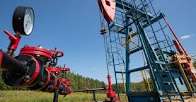
AI Image Disclaimer Illustrations were produced with AI and serve as conceptual depictions.
Source Check Credible sources identified:
Reuters Bloomberg CNBC The Wall Street Journal Financial Times
Published by Banx Network. This article is part of the Banx decentralized media programme, powered by the BXE token on the XRP Ledger.