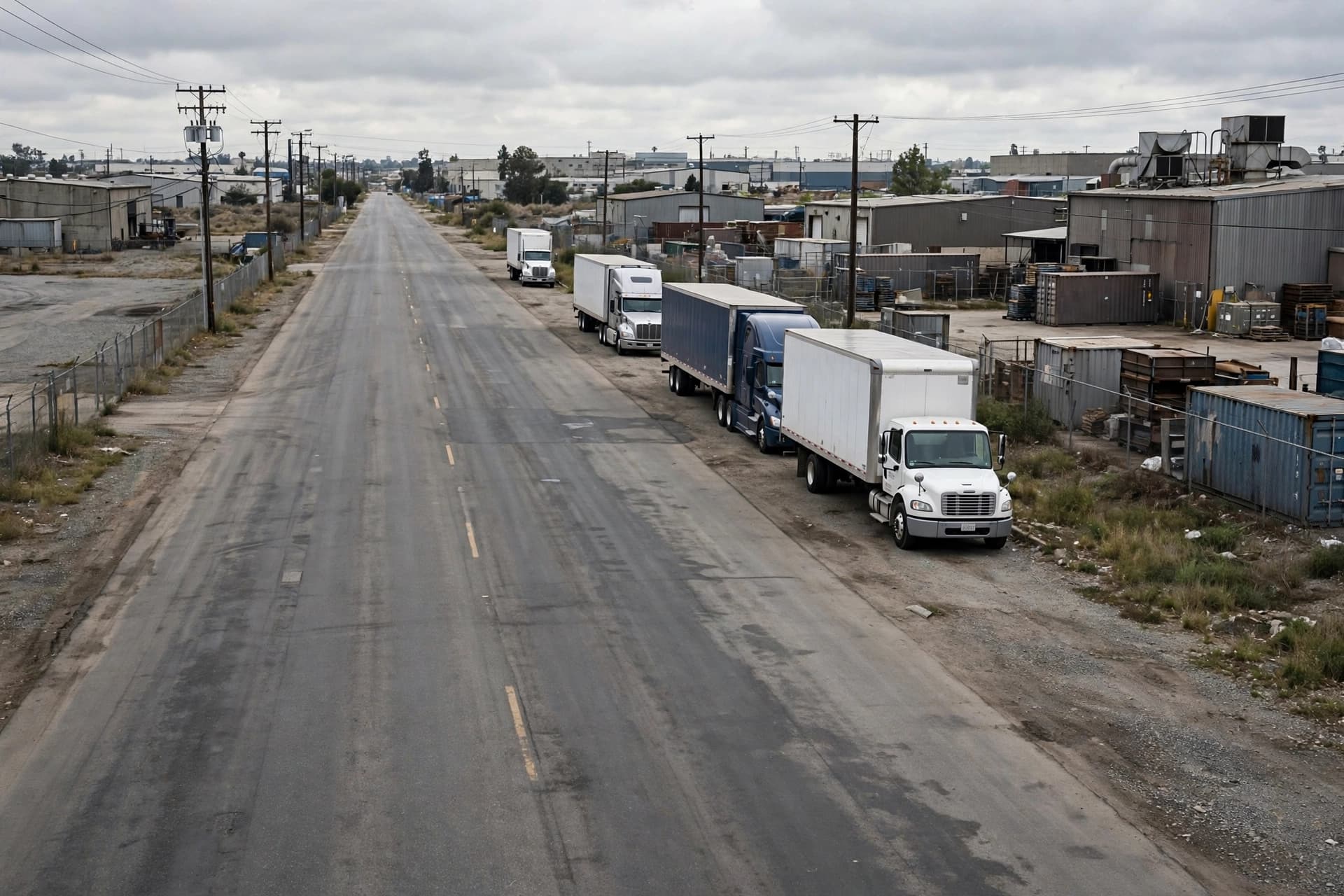
Markets, much like oceans, rarely remain still for long. Even in moments of apparent calm, there are currents moving beneath the surface—quiet, persistent, and responsive to distant forces. When conflict enters the picture, those currents begin to shift more visibly, turning subtle movements into waves that reach far beyond their point of origin.
The ongoing war involving Iran has begun to ripple through global financial markets, with data visualizations and market indicators painting a picture of unease. Three key patterns have emerged in recent days, each reflecting how deeply geopolitical tension can seep into economic systems. Oil prices, equities, and safe-haven assets have all responded, not in isolation, but as part of a broader, interconnected reaction.
Energy markets have been among the first to react. Oil prices, often sensitive to instability in the Middle East, have shown upward pressure as concerns grow over supply disruptions and regional uncertainty. Even the possibility of constrained flows can influence pricing, illustrating how markets often respond not only to events, but to the anticipation of what might follow.
At the same time, equity markets have displayed a more cautious tone. Major indexes have experienced fluctuations, with investors weighing risk against resilience. In moments like these, confidence becomes a delicate balance—shaped by both immediate developments and expectations of what lies ahead. Some sectors show signs of strain, while others remain comparatively steady, reflecting the uneven impact of global tension.
Meanwhile, traditional safe-haven assets such as gold have drawn renewed attention. When uncertainty rises, there is often a quiet migration toward perceived stability. This movement is less about certainty and more about preservation—a way for investors to navigate environments where clarity is limited.
What these three “graphics” collectively suggest is not a single narrative, but a layered one. Markets are not reacting in a uniform way; instead, they are adjusting across multiple dimensions, each influenced by its own set of sensitivities. The interplay between energy, equities, and safe havens creates a dynamic landscape where shifts in one area can echo in another.
Beyond the numbers, there is also a broader reflection at play. Economic systems, for all their complexity, remain closely tied to human events. Decisions made in political and military spheres often find their way into financial charts, translated into movements that affect individuals, institutions, and economies alike.
As the situation continues to evolve, analysts and investors are closely monitoring developments. Market volatility remains a possibility, with further shifts likely as new information emerges. For now, the data reflects a period of adjustment, where uncertainty and response move in tandem, shaping a financial landscape that remains in motion.
AI Image Disclaimer Visuals are created with AI tools and are not real photographs.
Source Check (Credible Media Identified):
Reuters Bloomberg CNBC Financial Times The Wall Street Journal
Published by Banx Network. This article is part of the Banx decentralized media programme, powered by the BXE token on the XRP Ledger.

.jpg&w=3840&q=75 "India Says First Phase of U.S. Trade Deal Is Nearly Done, Seeks Edge Over Rivals")