Markets often wake before the sun does, quietly absorbing signals from across the world. By the time the first trading bell rings in Asia, the echoes of distant events have already arrived—soft at first, then unmistakable. On mornings like this, the numbers seem to carry more than value; they carry mood, memory, and a sense of what might come next.
Across Asian markets, shares edged lower as rising oil prices cast a long and uncertain shadow. The movement did not occur in isolation. It followed a similar decline on Wall Street the previous week, suggesting a continuity of sentiment rather than a sudden shift. Like a ripple crossing oceans, the reaction moved from one financial center to another, each wave shaped by the same underlying tension.
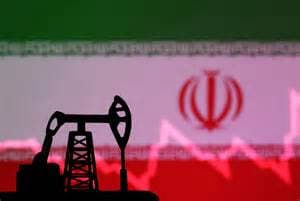
At the center of this unease lies the ongoing war involving Iran, where geopolitical strain has begun to press more firmly on global markets. Oil prices, sensitive to disruptions in supply and stability, have surged in response. The increase carries implications that extend beyond energy itself, touching transportation costs, production expenses, and ultimately, inflation expectations.
For investors, such moments often invite caution. Equity markets, which tend to reflect both present conditions and future hopes, respond by adjusting their balance. Declines across key Asian indexes suggest a recalibration rather than a retreat—an effort to account for risks that are still unfolding. The influence of Wall Street’s earlier drop adds another layer, reinforcing the interconnected nature of modern financial systems.
There is also a quieter story within these movements. Markets are not only reacting to what is known, but also to what remains uncertain. The trajectory of the conflict, the stability of energy supplies, and the responses of governments all linger as open questions. In this space between information and interpretation, volatility often finds room to grow.
And yet, within the ebb and flow, there is a certain familiarity. Markets have long responded to geopolitical events in this way—adjusting, absorbing, and moving forward. Each decline, each rise, becomes part of a larger narrative that unfolds over time rather than in a single moment.
As trading continues, analysts are closely monitoring both energy prices and broader market reactions. Asian shares remain sensitive to developments in the Middle East and signals from global markets, particularly the United States. For now, the decline reflects a cautious response to rising oil prices and ongoing conflict, with further movements expected as the situation evolves.
AI Image Disclaimer Illustrations were produced with AI and serve as conceptual depictions.
Source Check (Credible Media Identified):
Reuters Bloomberg CNBC Financial Times The Wall Street Journal
Published by Banx Network. This article is part of the Banx decentralized media programme, powered by the BXE token on the XRP Ledger.