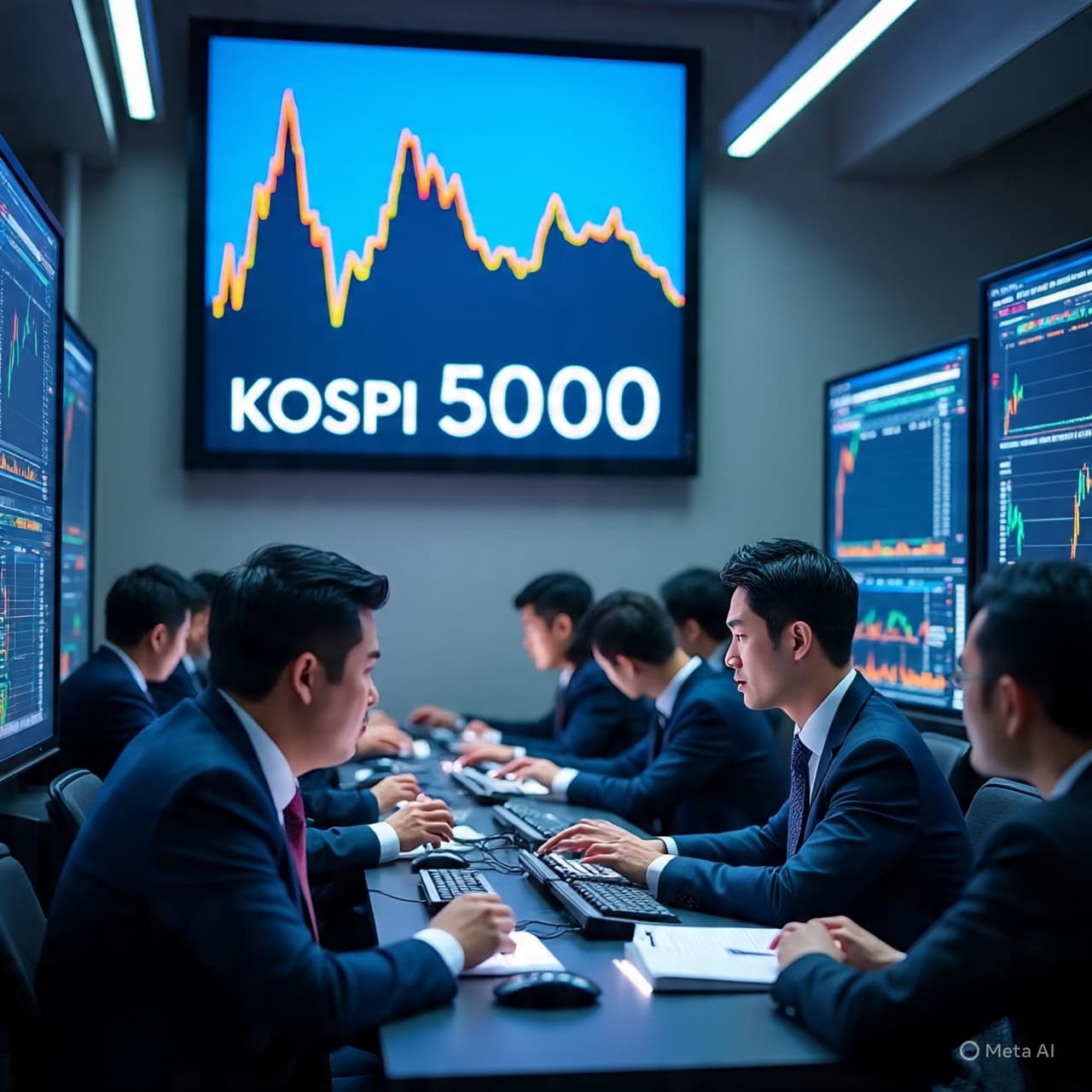
There are moments in financial history that feel like gentle dawn breaking over a wide horizon rather than a sudden burst of light. On Tuesday, Seoul’s benchmark stock market quietly crossed a symbolic threshold, closing above the 5,000 mark for the first time ever — a level that once seemed distant, now etched into the narrative of South Korea’s capital markets. Like a tide that steadily rises with the pull of many unseen forces, the KOSPI’s advance has been the result of patient build-ups — from investor interest to structural reforms and the steady beat of corporate earnings.
Market participants watched the index with a kind of thoughtful optimism, observing not just the number itself but the journey. Over the past months, what once seemed like incremental gains built into a more pronounced rhythm, inviting confidence rather than alarm. The broader market environment, from chipmakers commanding global demand to supportive policies at home, created a gentle current beneath the surface of price movements. It was as if a long winter had gradually given way to the early signs of spring, not with a shout but with quiet, accumulating warmth.
In the ebb and flow of global stock markets, sustaining momentum often involves balancing between internal resilience and external sentiment. The KOSPI’s advance, reaching its historic peak above 5,000, seemed to play that balance with a calm steady hand, shrugging off headlines of tariff jitters and overseas pressures on other markets. Institutional and foreign investors contributed to this rhythm of renewal, reminding watchers that market cycles can be both dynamic and disciplined.
Analysts reflect on this milestone not as a fleeting spike but as a threshold into potential broader horizons. Some foresee the ascent continuing, suggesting the market could see even further gains as earnings and investor confidence interplay with evolving market structures. Yet there are also voices that advise thoughtful restraint, emphasizing that markets are landscapes of both peaks and plateaus, shaped by earnings, valuations, and global capital flows.
In the backdrop lies the longer arc of Korea’s capital market history, stretching back decades, punctuated now by this milestone. Reform efforts, technological leadership in semiconductors and AI applications, and heightened global engagement have all played their part in the narrative. This milestone, then, is not an endpoint but a chapter marker, a gentle prompt to consider what comes next in the ongoing story of South Korea’s financial evolution.
Today’s close above 5,000 points represents both achievement and expectation; it is measured not by a single number but by the shared sense of possibilities stirring in market corridors. Investors and observers alike may look forward with cautious optimism, mindful that markets are woven of both data and diligence.
In straightforward terms, the KOSPI’s record close above 5,000 reflects broad market strength supported by key sectors and investor inflows, with many analysts seeing potential for continued upside, though tempered by the usual market risks and volatility.
AI Image Disclaimer
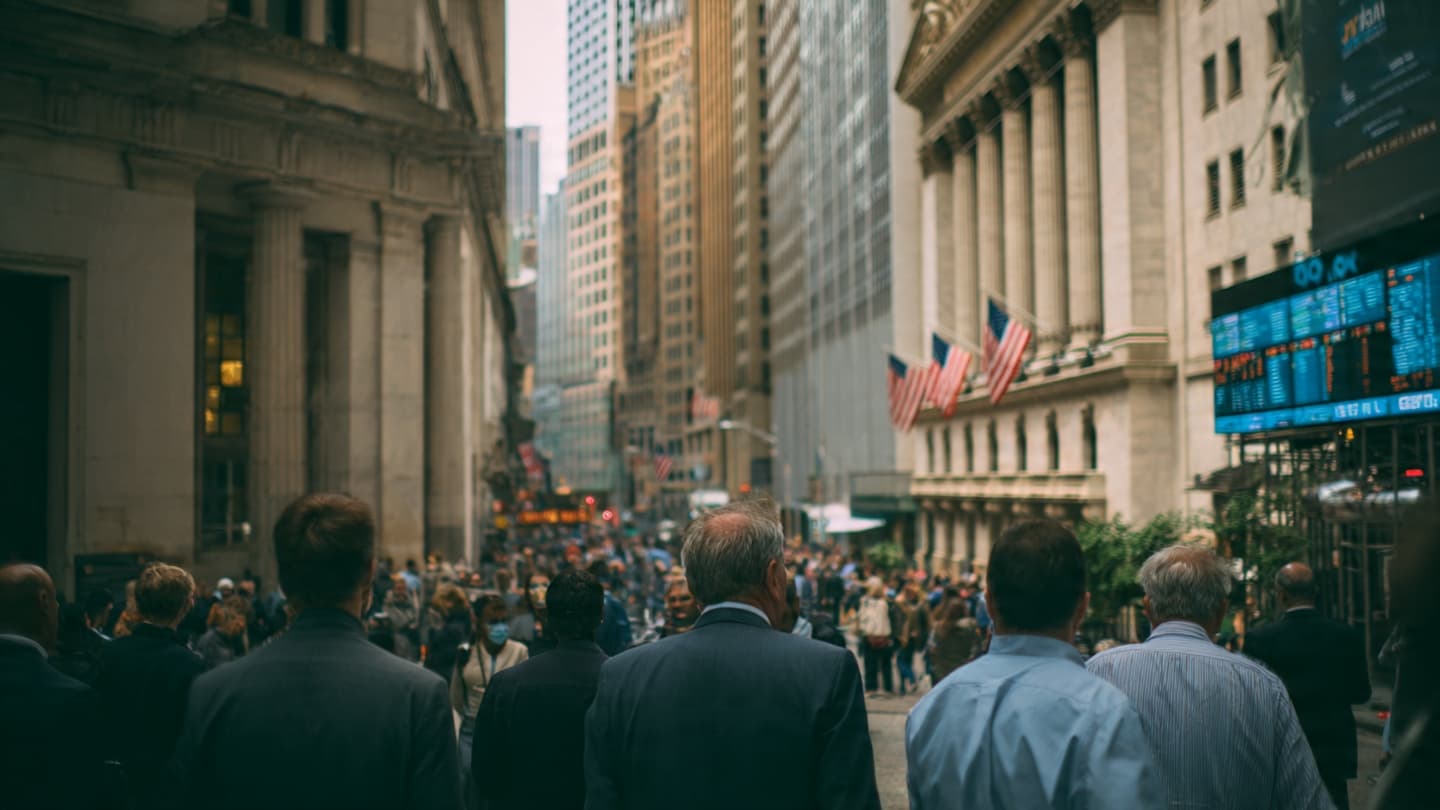
Graphics are AI-generated and intended for representation, not reality.
---
Sources
The Korea Economic Daily (English)
Korea JoongAng Daily
The Hankyoreh (English edition)
The Korea Times
Financial Times
Published by Banx Network. This article is part of the Banx decentralized media programme, powered by the BXE token on the XRP Ledger.