
Key Highlights
- Global markets experienced a surge in stock futures following President Trump's decision to pause military action against Iran.
- The Dow Jones Industrial Average futures rose over 1,000 points, reflecting a shift in investor sentiment.
- Oil prices dropped sharply, with crude benchmarks falling more than 14% as supply concerns eased.
In recent days, the global economy has felt the weight of geopolitical tensions, particularly surrounding the Strait of Hormuz. However, a significant shift occurred when President Donald Trump announced a two-week suspension of planned military strikes against Iran. This decision, tied to ongoing negotiations, has led to a momentary exhale in the markets, as traders interpreted this pause as a sign of potential stability.
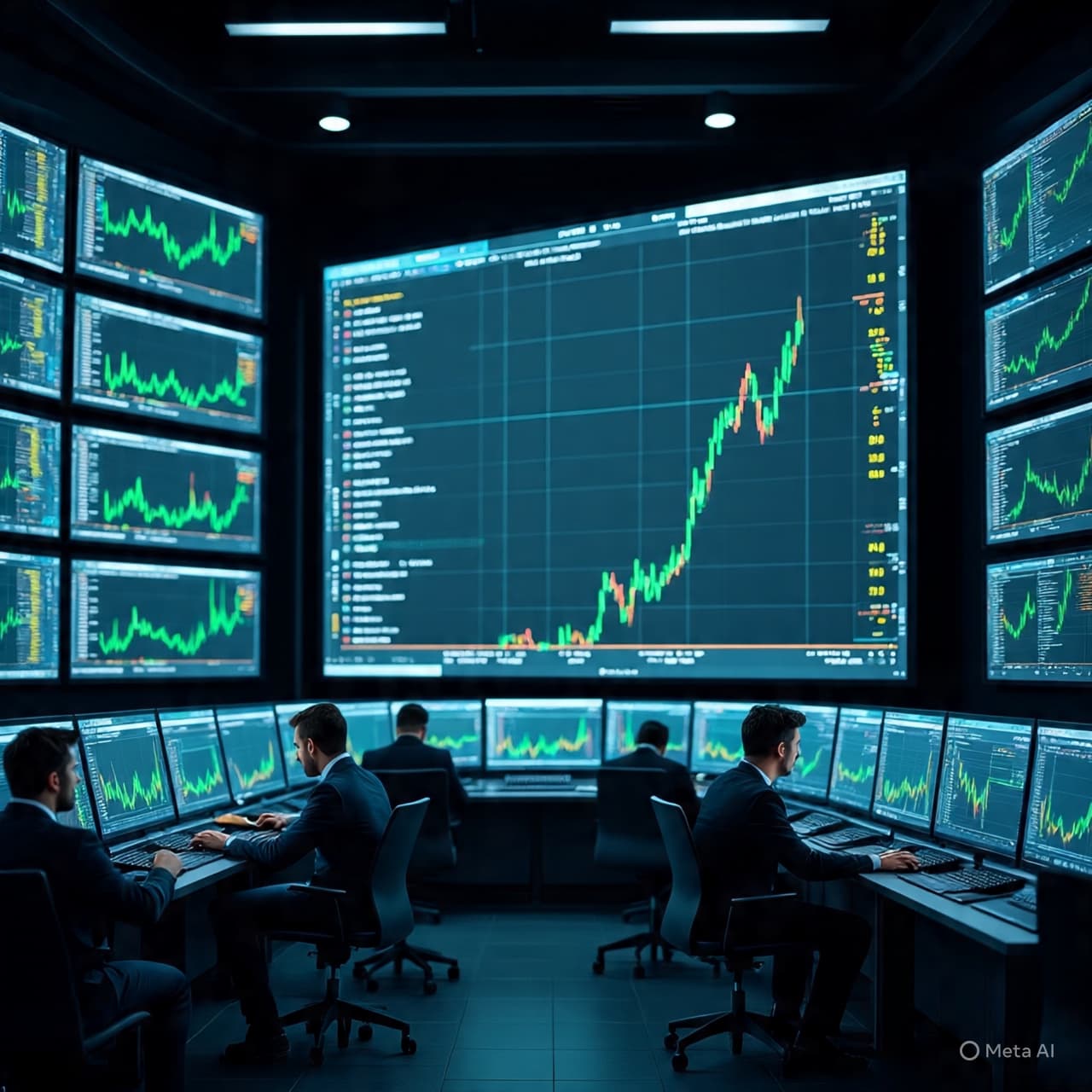
Before the market opened, futures for the Dow Jones Industrial Average surged by over 1,000 points, a clear indication of relief among investors. This surge was not merely celebratory; it reflected a recalibration of risk as the immediate threat of conflict seemed to diminish. The S&P 500 and Nasdaq futures mirrored this upward trend, suggesting a collective optimism that had been absent in previous days.
Oil markets also reacted sharply to the news. Crude oil prices fell significantly, with some benchmarks dropping more than 14%. The Strait of Hormuz, a critical passage for global oil supply, appeared to return to a state of cautious normalcy. The fears of disrupted supply lines, which had loomed large, were temporarily alleviated, allowing for a more stable outlook in energy markets.
Despite this positive momentum, analysts caution that the situation remains fragile. The two-week pause is not a definitive resolution but rather a temporary interlude in a complex geopolitical landscape. The unresolved nature of negotiations with Iran means that the potential for escalation still exists, and markets are likely to remain sensitive to any developments.
The ripple effects of this announcement were felt across global markets. Asian and European indices saw gains, while traditional safe-haven assets like gold softened. Volatility measures, which had spiked in response to earlier tensions, began to retreat, indicating a momentary easing of market anxiety.
However, the cyclical nature of markets means that this optimism could be short-lived. The same factors that drove futures higher could just as easily reverse course, leading to renewed volatility. As trading hours approach, investors are left with a lingering question: Will this pause lead to a more sustained period of calm, or will it simply be a brief respite in an ongoing cycle of uncertainty?
As the situation unfolds, market participants will be closely monitoring developments in the region, aware that the geopolitical landscape can shift rapidly. For now, the focus remains on navigating this delicate balance between hope and caution.
Published by Banx Network. This article is part of the Banx decentralized media programme, powered by the BXE token on the XRP Ledger.



