

Key Highlights
- Strategic Importance:The Gulf's waterways are crucial for global energy transport.
- Regulatory Challenges:Evolving sanctions impact maritime logistics and enforcement.
- Technological Adaptations:Governments enhance monitoring tools to track energy shipments.
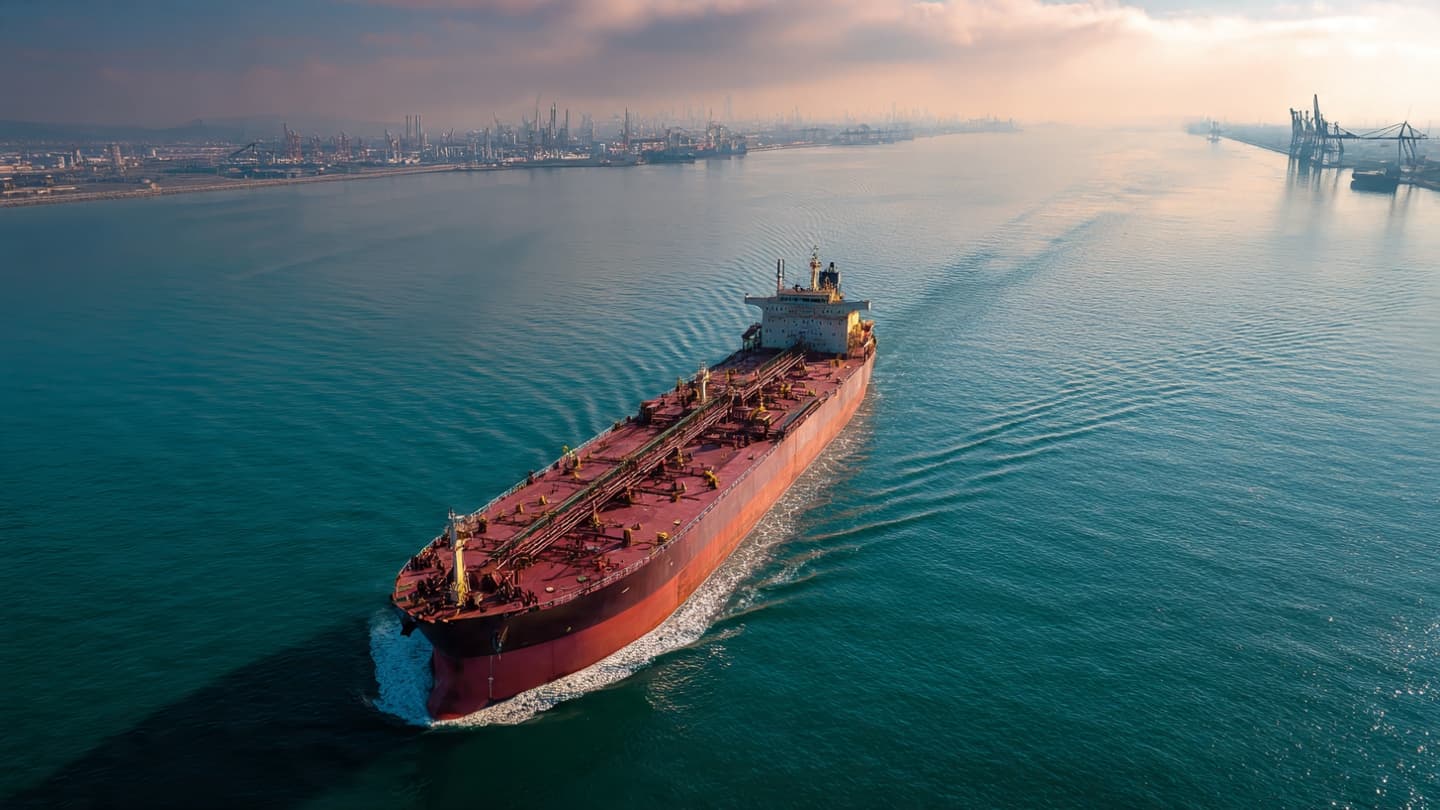
The Gulf region, particularly the Strait of Hormuz, serves as a vital conduit for global energy transport, with approximately 20% of the world's oil passing through its narrow corridors. This strategic importance makes it a focal point for geopolitical maneuvering and maritime strategy. As nations navigate the complexities of energy flow, the intersection of regulation and logistics becomes increasingly significant.
Recent reports from industry and financial media highlight how enforcement pressures and logistical adaptations shape maritime routes. The evolving landscape of sanctions and market conditions compels shipping practices to adapt, often obscuring origin points or rerouting cargo flows. Such adaptations are not merely tactical; they reflect a broader narrative of how global energy needs influence maritime operations.
Analysts emphasize that the maritime logistics landscape is characterized by layered chains of custody. Ownership, flagging, and routing introduce complexities that can challenge enforcement efforts. While these complexities are not inherently illicit, they create an environment where regulatory oversight becomes more difficult. The Gulf's role as a central artery for oil transport means that any operational changes can significantly impact transparency and traceability in energy markets.
In response to these challenges, governments and regulatory bodies are refining their monitoring tools and cooperative frameworks. Satellite tracking, shipping databases, and enhanced port inspections are part of a comprehensive strategy to maintain visibility in global trade. These efforts aim to ensure that energy shipments remain transparent and traceable, even as the dynamics of maritime logistics evolve.
The ongoing discussion around these developments reflects a broader tension between economic necessity and regulatory enforcement in international energy systems. As energy markets depend on predictable flows, the constant negotiation between regulation and adaptation underscores the complexity of the situation.
In conclusion, the Gulf's maritime corridors remain a critical area of focus for global energy flow. The interplay between strategy, regulation, and market demands continues to shape the landscape, highlighting the need for ongoing vigilance and adaptation in the face of evolving geopolitical realities.
Published by Banx Network. This article is part of the Banx decentralized media programme, powered by the BXE token on the XRP Ledger.




