

Key Highlights
- Election Day in Peru sees a crowded field of presidential candidates.
- Voter sentiment is shaped by economic concerns and political instability.
- A likely runoff election may clarify choices for voters.
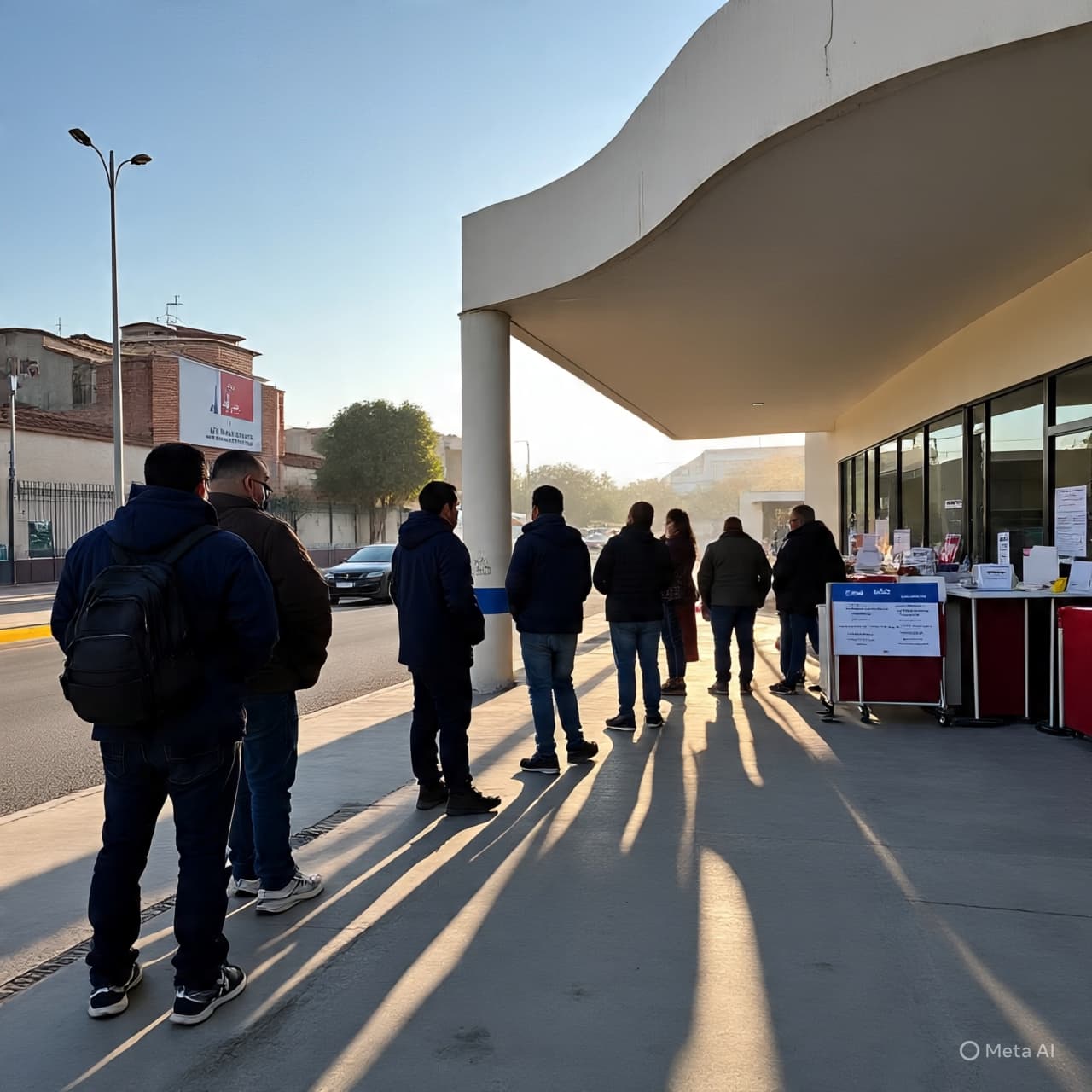
The morning light in Peru often arrives quietly, brushing across the Andes and slipping into coastal cities with a sense of calm. Yet on election day, that calm carries a different weight — as if each sunrise is holding its breath alongside millions of voters stepping into polling stations, each with a fragment of the nation’s future folded in their hands.
Peruvians cast their ballots in a presidential race defined not by clarity, but by abundance. A crowded field of candidates has turned the election into a mosaic of competing visions, each one reflecting a different path forward for a country still navigating political instability and public distrust. No single figure has emerged as dominant, making a runoff election not just possible, but likely.
The sheer number of candidates has fragmented the vote, creating a landscape where even leading contenders struggle to secure a decisive margin. Analysts note that such fragmentation reflects deeper currents — dissatisfaction with traditional political parties, economic anxieties, and a desire for new leadership that feels closer to everyday realities. This fragmentation is evident in the diverse opinions expressed by voters across Lima and rural regions alike, where the act of voting remains a powerful reaffirmation of democratic continuity for some, while for others, it feels more like a search for stability in a system that has seen frequent leadership changes and institutional tension.
Economic concerns have played a central role in shaping voter sentiment. Inflation, employment challenges, and inequality remain pressing issues, particularly in rural communities where development gaps persist. Candidates have offered varied solutions, ranging from market-oriented reforms to more interventionist approaches, though many voters remain skeptical of campaign promises. This skepticism is compounded by a history of unmet expectations, leading to a cautious approach among the electorate.
Political analysts suggest that the likely runoff will sharpen contrasts between the leading candidates. The second round, if confirmed, may offer voters a clearer choice between competing ideologies and governance styles, potentially consolidating fragmented support into more defined blocs. This anticipated clarity could be crucial in a political landscape where voters are eager for decisive leadership.
Election authorities have emphasized transparency and security throughout the process, aiming to maintain public confidence in the results. International observers have also been present, reinforcing the importance of credibility in a region where democratic processes are closely watched. Their presence serves as a reminder of the global stakes involved in Peru's political future.
For many Peruvians, this election is less about immediate transformation and more about direction — a quiet recalibration of where the country might head next. The outcome may not resolve longstanding challenges overnight, but it will set the tone for the years ahead. As ballots are counted and the possibility of a runoff becomes clearer, the country enters a familiar yet uncertain space — one where decisions are deferred, but not diminished. The voices expressed at the ballot box will echo into the next round, shaping the final choice in a journey that is still unfolding.
Published by Banx Network. This article is part of the Banx decentralized media programme, powered by the BXE token on the XRP Ledger.




