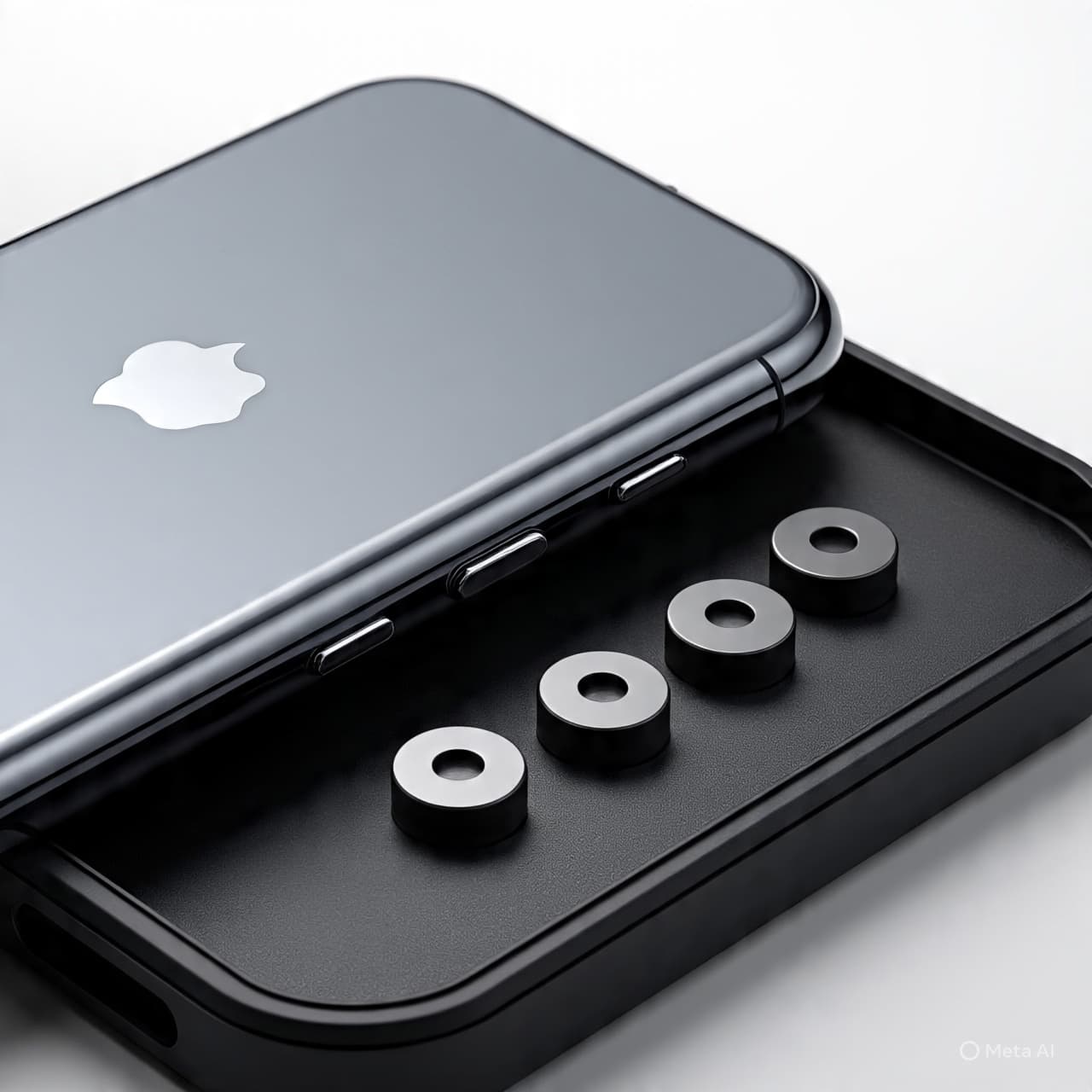
In the hush of early morning light, there’s a familiar ritual for many smartphone lovers: a gentle rotation of fingers around a new device, an almost poetic search for what’s missing. In the case of Samsung’s newly unveiled Galaxy S26 series, that search often settles on an absence — the absence of magnets. In an era where devices click to wireless chargers and accessory ecosystems embrace magnetic embrace, this gap has become both curious and telling, like an empty frame in a gallery asking us to reconsider what defines modern smartphone design.
Samsung’s R&D and operations leaders have articulated a thoughtful, if somewhat unconventional, reason behind this choice. Rather than folding to a trend, Samsung engineers opted for a balance of artistry and engineering: to preserve sleekness, reduce thickness, and reallocate precious internal space toward structural integrity, battery performance, and other enhancements that, they argue, deliver greater everyday value than a ring of magnets embedded behind glass.
For years, magnetic ecosystems have captured imagination and convenience in equal measure. Apple’s MagSafe and Google’s Pixel Snap stand as invitations — snap on, align perfectly, attach accessories without fuss. In contrast, the S26’s approach is more like an old friend gently suggesting a different path; one where the core device remains minimal and unencumbered, and the connection to magnetic accessories is woven through the protective case rather than the phone itself.
Samsung insists that most users choose to protect their phone with a case anyway. From that vantage, a magnetic case becomes the bridge between tidy engineering and magnetic convenience. Third-party and official Samsung magnetic cases — often built with Qi2 support — deliver attachment and alignment for wireless chargers, wallets, and mounts, while keeping the phone’s slim silhouette intact. It’s an ecosystem choice more than a hardware one, echoing a subtle design philosophy: the essential and the optional live in harmony.
Yet there are technical nuances underway that shape this decision as much as design aesthetics. Internal components on modern phones — from advanced cooling systems to sensitive stylus hardware such as the S Pen — occupy a tight, precisely calibrated space. Magnets, especially aligned rings for optimized Qi2 functionality, can pose interference challenges or force trade-offs with performance elements that Samsung deemed less acceptable than using accessories to fill the magnetic niche.
This choice has sparked disappointment among some enthusiasts, who see magnetic attachment as a hallmark of modern wireless charging convenience. But it has also prompted creativity from accessory makers who view Samsung’s decision less as a void and more as a canvas — a place to sketch new forms of magnetic solutions that preserve the phone’s core virtues while inviting innovation from the wider ecosystem.
In the quiet conclusion of reflection, Samsung’s decision feels less like a refusal and more like a recalibration. It’s a reminder that design is not merely the sum of features on a spec sheet but choices about priorities, values, and the subtle dance between engineering possibilities and user needs.
🖼️ AI Image Disclaimer Visuals are created with AI tools and are not real photographs, intended for conceptual understanding.
Sources Found
The Verge (news) — Samsung R&D reasoning for omitting magnets. Tech Advisor — explanation from Samsung UK on design priorities. Tech news summaries (Digital Trends) — context on lack of magnets and accessory choices. Android Central — technical details on Qi2 support without built-in magnets. Gizmochina / Spigen accessory report — ecosystem for magnetic cases because phone lacks magnets.
Published by Banx Network. This article is part of the Banx decentralized media programme, powered by the BXE token on the XRP Ledger.