
Key Highlights
- Unitree Robotics is set to launch its IPO in Shanghai, priced at 150.8 yuan per share.
- The company is valued at approximately $9 billion, reflecting China's growing robotics industry.
- Humanoid robots are increasingly seen as vital for manufacturing and logistics applications.
China's robotics industry is on the brink of a significant transformation as humanoid robots begin to make their mark in the financial markets. Unitree Robotics, a leading player in this sector, has announced its initial public offering (IPO) in Shanghai, pricing shares at 150.8 yuan, which positions the company with a valuation of around $9 billion. This move not only highlights the potential of humanoid robots but also underscores the rapid advancements in China's technology landscape.
The IPO is a pivotal moment for the robotics industry in China, which has been steadily gaining momentum in recent years. Humanoid robots, once relegated to the realms of science fiction and experimental labs, are now being recognized for their potential applications in various sectors, including manufacturing, logistics, and inspection. As companies worldwide explore the feasibility of integrating robots that can navigate human-designed environments, China's vast manufacturing sector stands to benefit significantly from these innovations.
Unitree's entry into the public market comes at a time when investment in robotics is surging across China. The country boasts a robust supply chain for essential components such as motors, batteries, and electronics, which are critical for the development of advanced robotic systems. This established manufacturing ecosystem not only facilitates rapid innovation but also positions Chinese robotics firms to compete on a global scale.
The implications of Unitree's IPO extend beyond mere financial metrics. It represents a broader trend where investors are eager to engage with emerging technologies that promise to reshape industries. However, the transition from prototype to practical application is fraught with challenges. Key issues such as hardware costs, safety regulations, battery life, and software reliability must be addressed to ensure that these robots can operate effectively in real-world scenarios.
Artificial intelligence plays a crucial role in this evolution. Modern humanoid robots increasingly rely on sophisticated AI systems to interpret their surroundings, recognize objects, and adapt to changing conditions. This synergy between advanced hardware and intelligent software is creating a new category of technology that blurs the lines between traditional industrial machinery and smart computing.
Despite the excitement surrounding these developments, the path to widespread adoption is rarely straightforward. Investors may be optimistic about the future, but the true test lies in the robots' ability to perform consistently and affordably in practical applications. As Unitree prepares for its IPO, the eyes of the industry are on Shanghai, where the next chapter in the story of humanoid robots is being written, not just by engineers but also by investors eager to see how far these machines can advance.
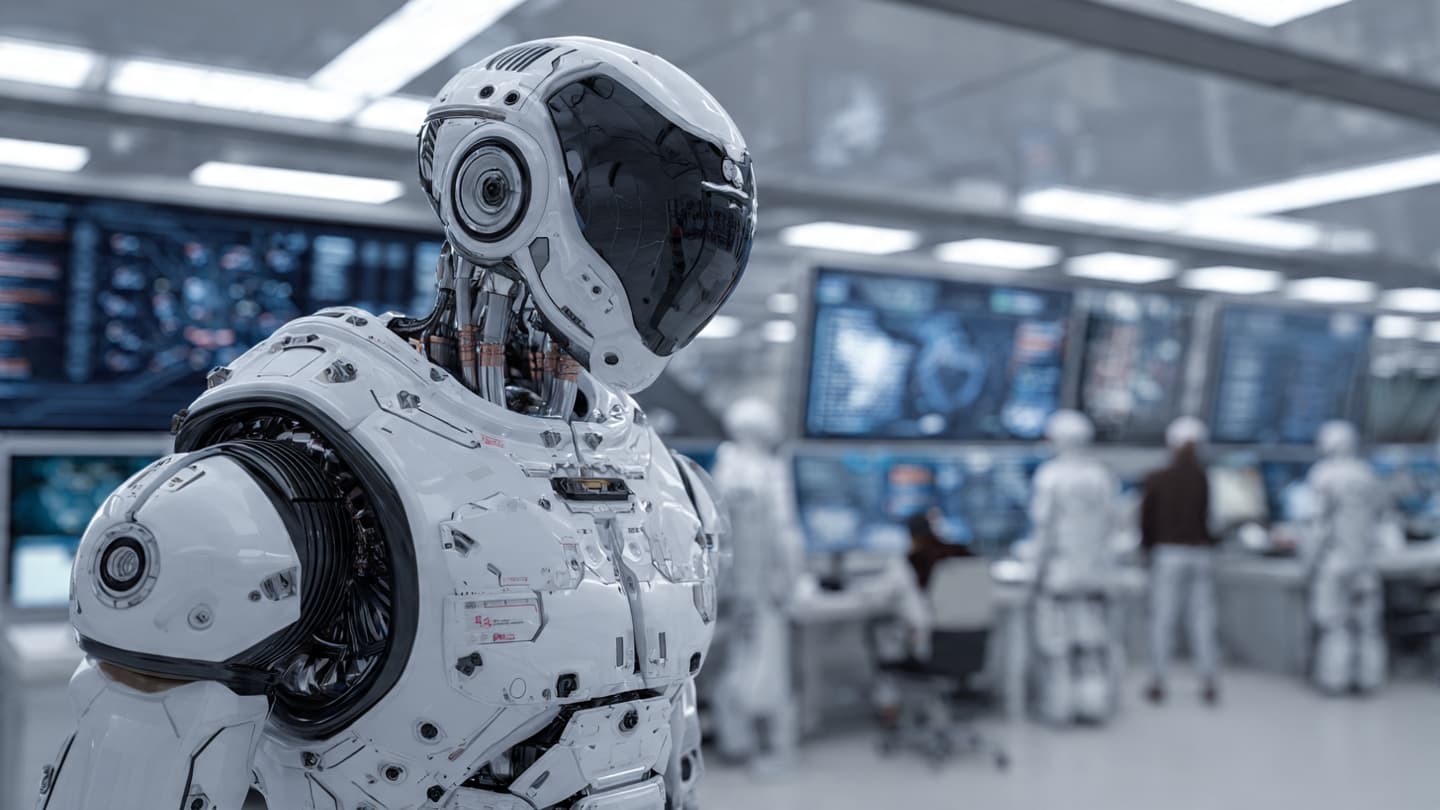
AI Image Disclaimer: The accompanying illustrations are AI-generated visual concepts and should not be mistaken for authentic photographs.
Published by Banx Network. This article is part of the Banx decentralized media programme, powered by the BXE token on the XRP Ledger.



