

Key Highlights
- Humanoid robots have set a new world record in a half-marathon distance.
- Advances in robotics have improved mobility, balance, and energy efficiency.
- The achievement raises questions about the future of human endurance sports.
In a remarkable display of technological advancement, humanoid robots have recently set a new world record in the half-marathon distance, surpassing the performance of human runners. This achievement not only highlights the rapid progress in robotics but also raises intriguing questions about the future of endurance sports and the role of machines in human activities.
Engineers have dedicated years to refining the capabilities of robots, particularly in how they navigate uneven terrain while maintaining stability. The latest breakthroughs in joint design, sensor integration, and real-time decision-making have enabled these machines to adapt effectively to dynamic environments, a crucial factor for long-distance running.
Unlike traditional robots that operate in controlled settings, humanoid runners face a myriad of challenges, including varying terrain, pacing, and the need for sustained endurance. Achieving consistent performance over long distances marks a significant milestone in robotics research, showcasing the potential for robots to perform tasks previously thought to be uniquely human.
The advancements in robotics are closely tied to developments in artificial intelligence systems that coordinate movement. These systems utilize data from sensors to adjust stride length, speed, and posture in real time, effectively mimicking aspects of human biomechanics. This capability not only enhances the performance of humanoid robots but also opens up new possibilities for their application in various fields.
While the achievement of humanoid robots in the half-marathon may suggest a competitive landscape between humans and machines, researchers emphasize that the primary goal of these advancements lies in practical applications. Areas such as disaster response, logistics, and environments where human presence is limited or risky stand to benefit significantly from these technological innovations.
The integration of robotics into society prompts broader discussions about their role in daily life and work. As machines become increasingly capable, questions arise regarding the ethical boundaries that should guide their use. Experts argue that human endurance sports encompass elements beyond mere physical performance, including strategy, adaptability, and emotional resilience—qualities that remain challenging to replicate in machines.
The record set by humanoid robots not only reflects the convergence of engineering and human-inspired design but also signifies a pivotal moment in how technology continues to reshape familiar boundaries. As we witness these advancements, it becomes essential to consider the implications for both human athletes and the evolving landscape of sports.
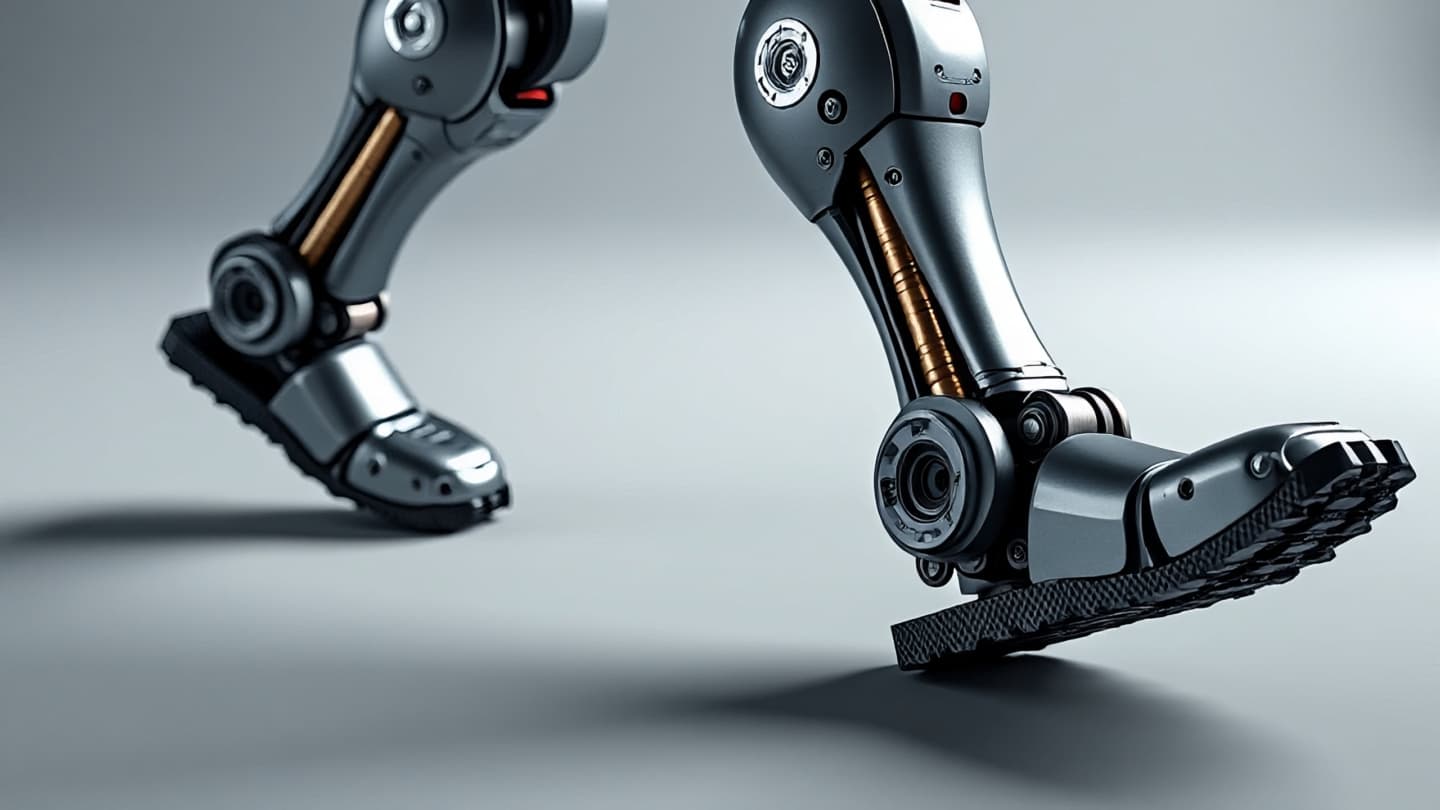
AI Image Disclaimer: Some images in this article are AI-generated and serve as visual interpretations rather than real event photography.
Published by Banx Network. This article is part of the Banx decentralized media programme, powered by the BXE token on the XRP Ledger.




