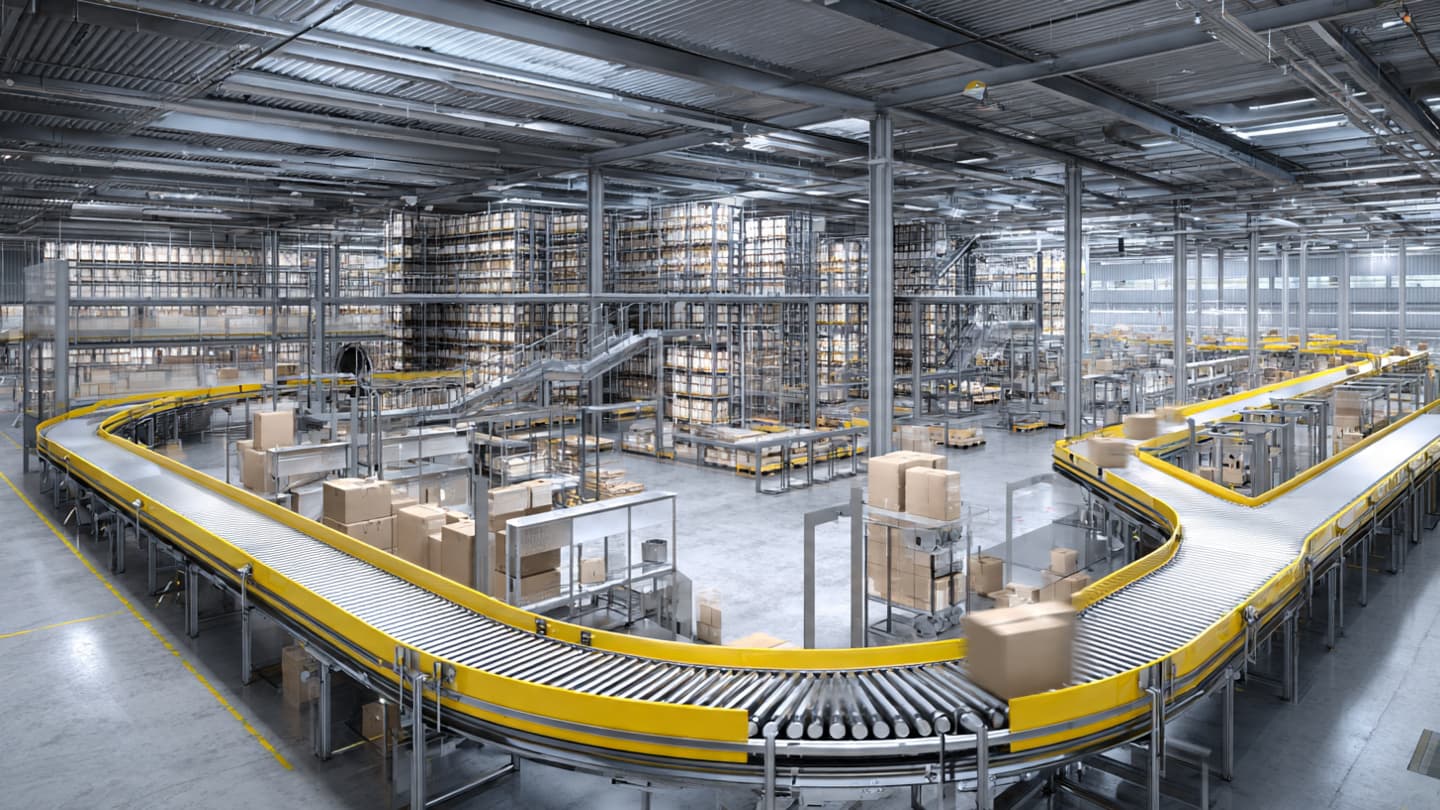
Behind every delivered package lies a complex network of warehouses, transportation systems, and logistics professionals working together to ensure goods reach their destinations. As global commerce becomes increasingly sophisticated, logistics companies are investing heavily in automation technologies designed to improve efficiency and reliability.
Recent developments indicate growing adoption of robotics, artificial intelligence, automated sorting systems, and advanced inventory management platforms. These tools help organizations process larger volumes while maintaining accuracy and reducing operational delays.
Warehouses have become important centers of innovation. Automated systems can sort products, manage inventory, and coordinate shipments with remarkable speed. By reducing repetitive tasks, businesses can allocate human expertise toward higher-value responsibilities.
The rise of e-commerce has accelerated demand for efficient logistics operations. Consumers increasingly expect fast and reliable delivery services, creating pressure on companies to optimize performance across supply chains.
Automation also contributes to greater visibility. Real-time tracking systems provide businesses with detailed information regarding inventory levels, shipment status, and operational performance. This transparency supports better decision-making and customer service.
Industry leaders emphasize that technology complements rather than replaces human contributions. Skilled employees remain essential for overseeing operations, managing exceptions, and ensuring that systems function effectively within complex environments.
Economic benefits extend beyond individual companies. Efficient logistics networks support manufacturers, retailers, healthcare providers, and numerous other sectors that depend upon timely delivery of goods and materials.
Investors have shown considerable interest in automation initiatives. Businesses capable of improving productivity while controlling costs are often viewed favorably within financial markets, particularly during periods of economic uncertainty.
Challenges remain, including implementation costs, workforce training requirements, and cybersecurity considerations. Nevertheless, organizations continue investing in solutions designed to strengthen resilience and competitiveness.
For now, automation represents an important chapter in the ongoing evolution of logistics. Like modern navigation systems guiding ships through busy waterways, intelligent technologies are helping businesses move goods more efficiently across an increasingly connected world.
AI IMAGE DISCLAIMER Graphics are AI-generated and intended for representation, not reality.
SOURCE CHECK Reuters Bloomberg Supply Chain Dive CNBC Financial Times
Published by Banx Network. This article is part of the Banx decentralized media programme, powered by the BXE token on the XRP Ledger.