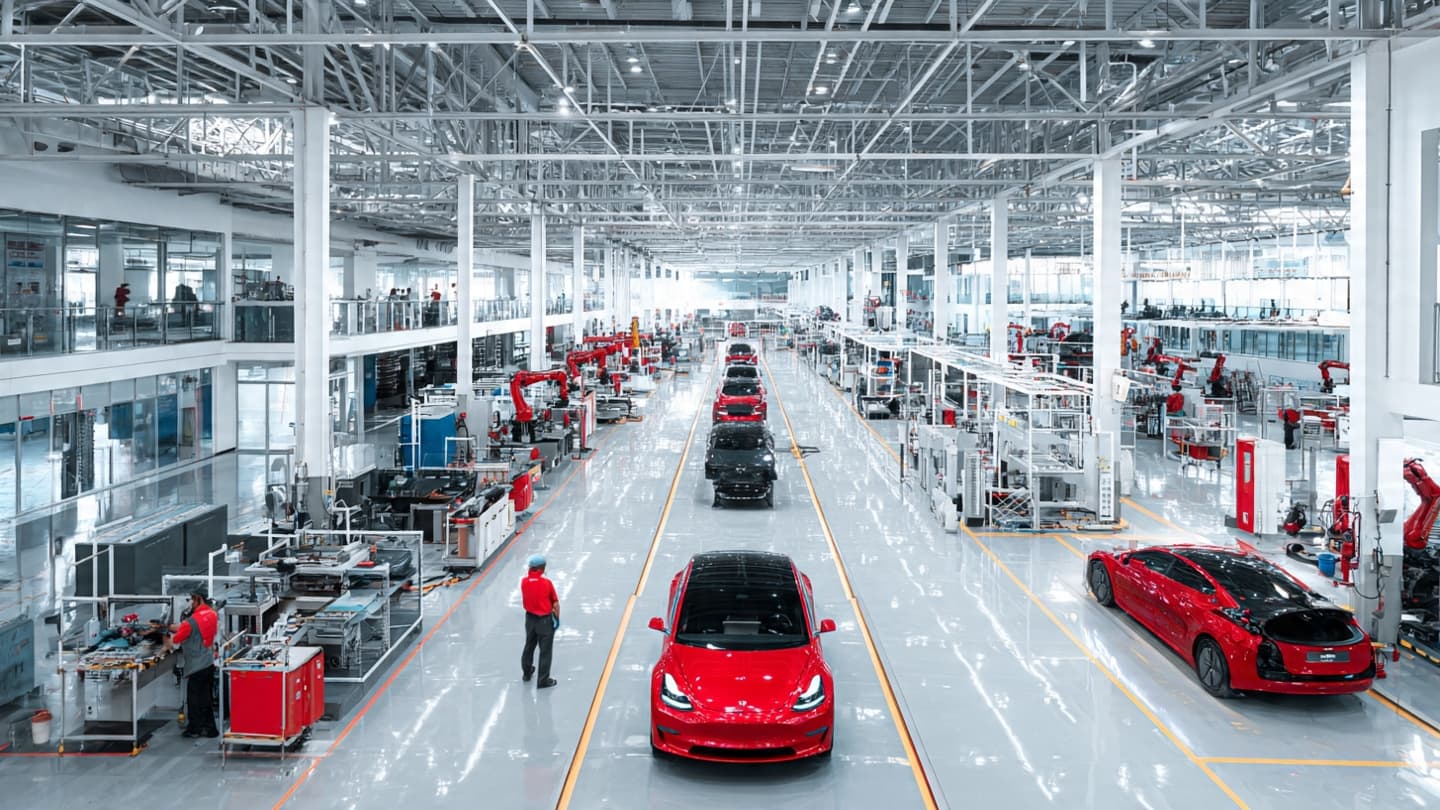
In a Japanese factory, the movement of a robotic arm can appear almost effortless. It lifts, turns, places, and repeats the same motion with remarkable consistency, while people nearby monitor the machines and handle tasks that still require judgment and dexterity.
That relationship between humans and machines is becoming increasingly important in Japan. An aging population and persistent labor shortages have encouraged companies to invest in automation across manufacturing, logistics, healthcare, and other sectors.
Japan has long been associated with industrial robotics, but the latest generation of machines is becoming more flexible. Rather than performing only repetitive tasks behind safety barriers, some robots are designed to work alongside people or move through environments where conditions change.
Manufacturers have strong reasons to automate. When companies cannot find enough workers, production capacity can become constrained. Robots can help maintain output while allowing employees to focus on tasks requiring supervision, problem-solving, maintenance, and specialized skills.
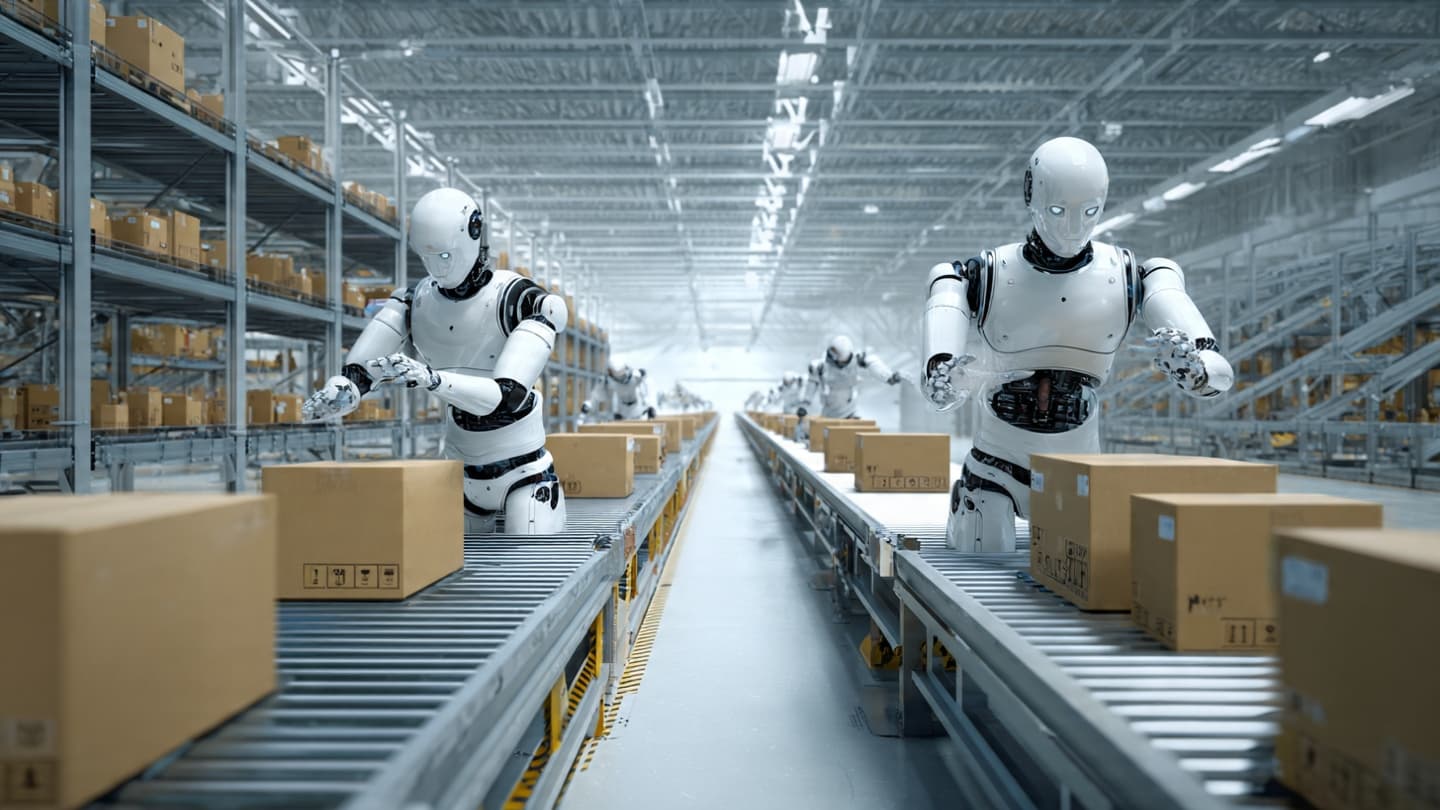
The challenge is particularly visible in sectors such as logistics. E-commerce has increased demand for warehouses and delivery services, while labor shortages make it difficult to maintain traditional staffing models. Automated sorting, transportation, and inventory systems can help companies manage larger volumes.
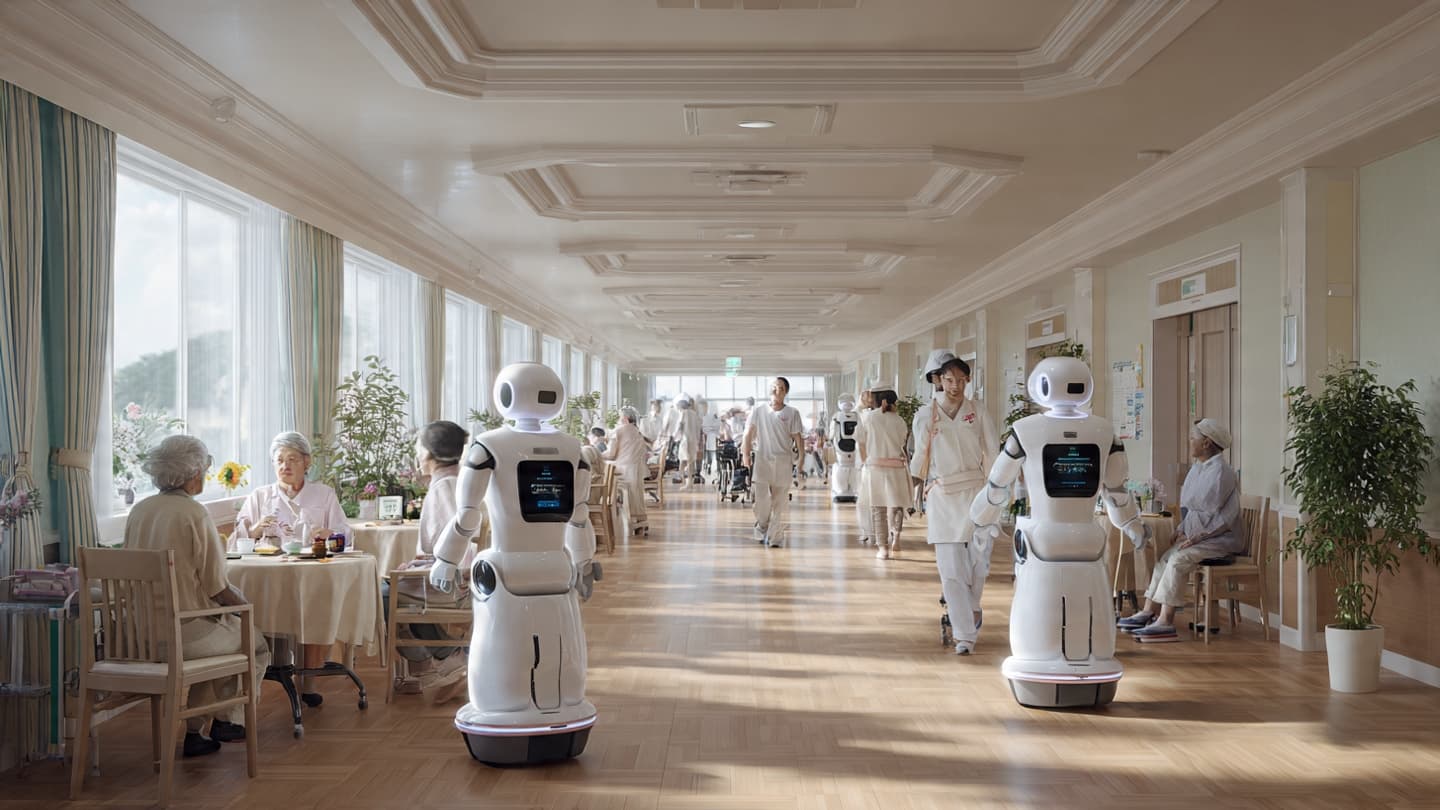
Healthcare presents another possibility. Japan’s aging population is increasing demand for medical and elder-care services, creating pressure on the workforce. Robotic systems may assist with mobility, monitoring, logistics, and other tasks, although human care remains central to many interactions.
Automation does not remove every labor challenge. Machines require investment, maintenance, software, and skilled technicians. Smaller companies can find the initial cost difficult to manage, while workers may need training to operate increasingly sophisticated systems.
There is also a broader question about how employment changes when machines become capable of handling more tasks. Japan’s experience is closely watched because the country is confronting demographic changes earlier and more intensely than many other economies.
For technology companies, the opportunity lies in developing robots that are not only precise but adaptable. Artificial intelligence is increasingly being combined with robotics, allowing machines to interpret environments and respond to situations that would once have required direct human control.
Japan’s factories therefore offer a glimpse of a changing workplace. Mechanical arms and automated vehicles do not necessarily represent the disappearance of human labor; instead, they increasingly form another layer of the industrial environment.
As demographic pressures continue, Japan’s relationship with robotics will likely deepen. The country’s technological future may be shaped not by machines replacing people entirely, but by a gradual redefinition of what people and machines can accomplish together.
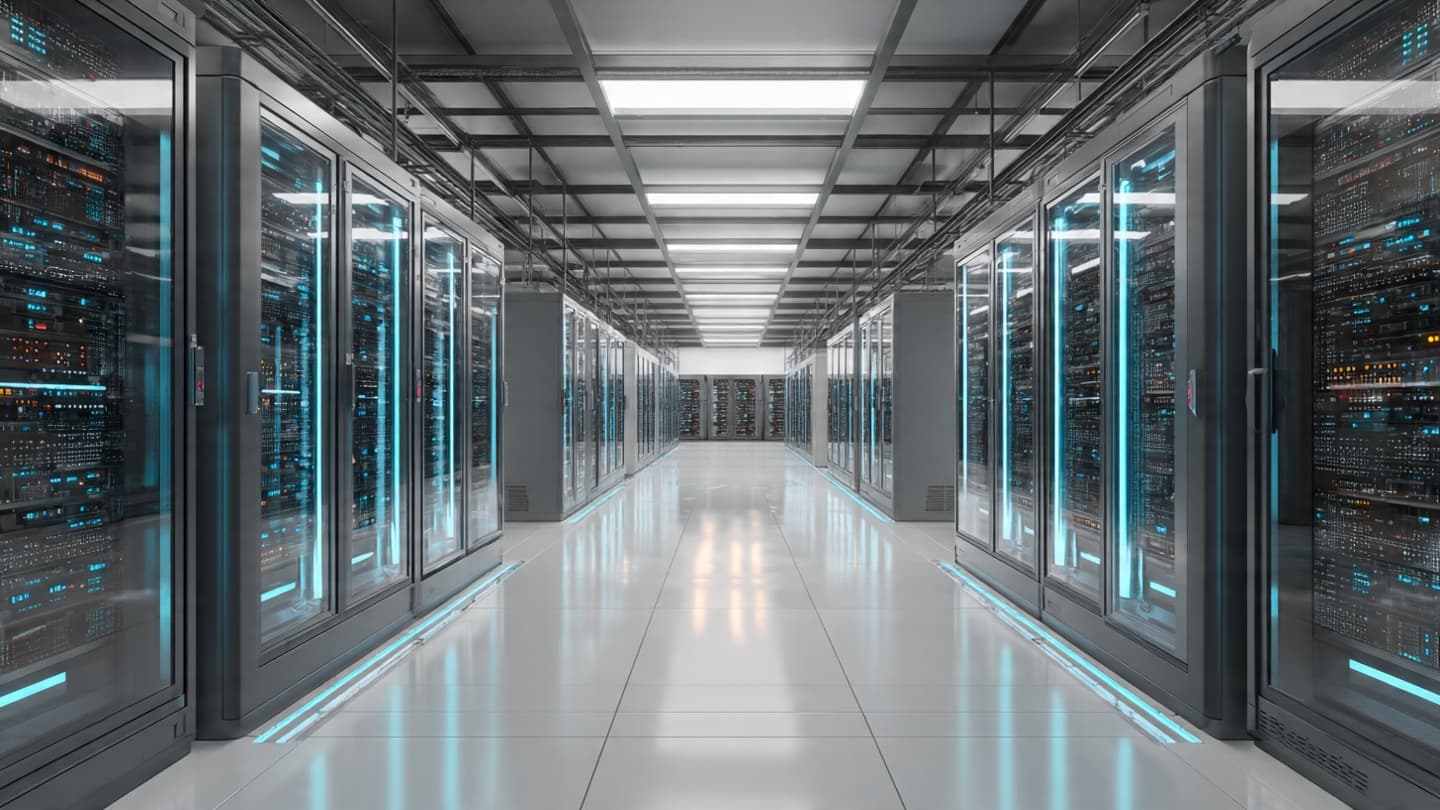
AI Image Disclaimer: The illustrations were created with AI tools as conceptual representations of robotics in Japan and are not real photographs.
Sources: Reuters Japan Robot Association International Federation of Robotics Japan Ministry of Economy, Trade and Industry OECD
Note: This article was published on BanxChange.com and is powered by the BXE Token on the XRP Ledger. For the latest articles and news, please visit BanxChange.com