
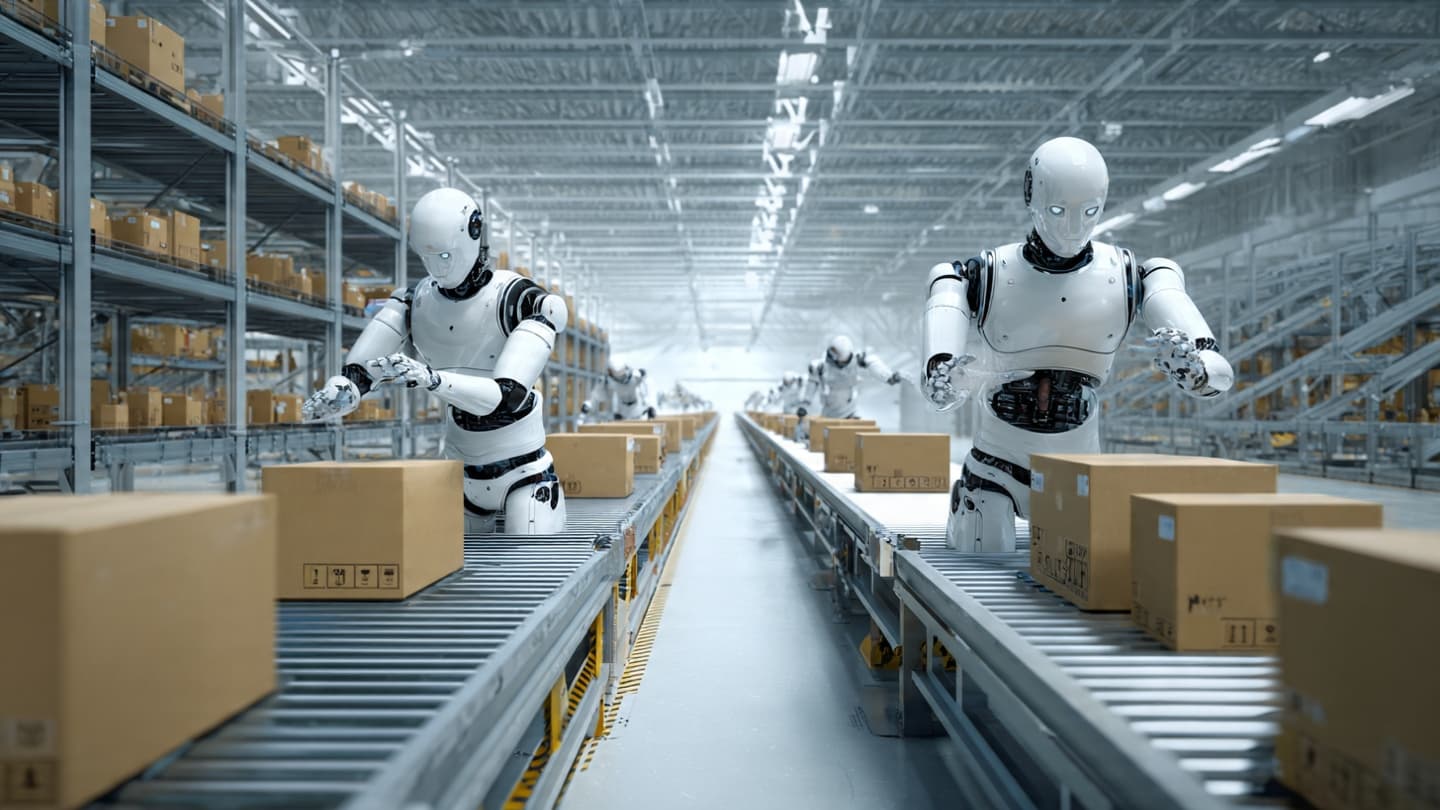
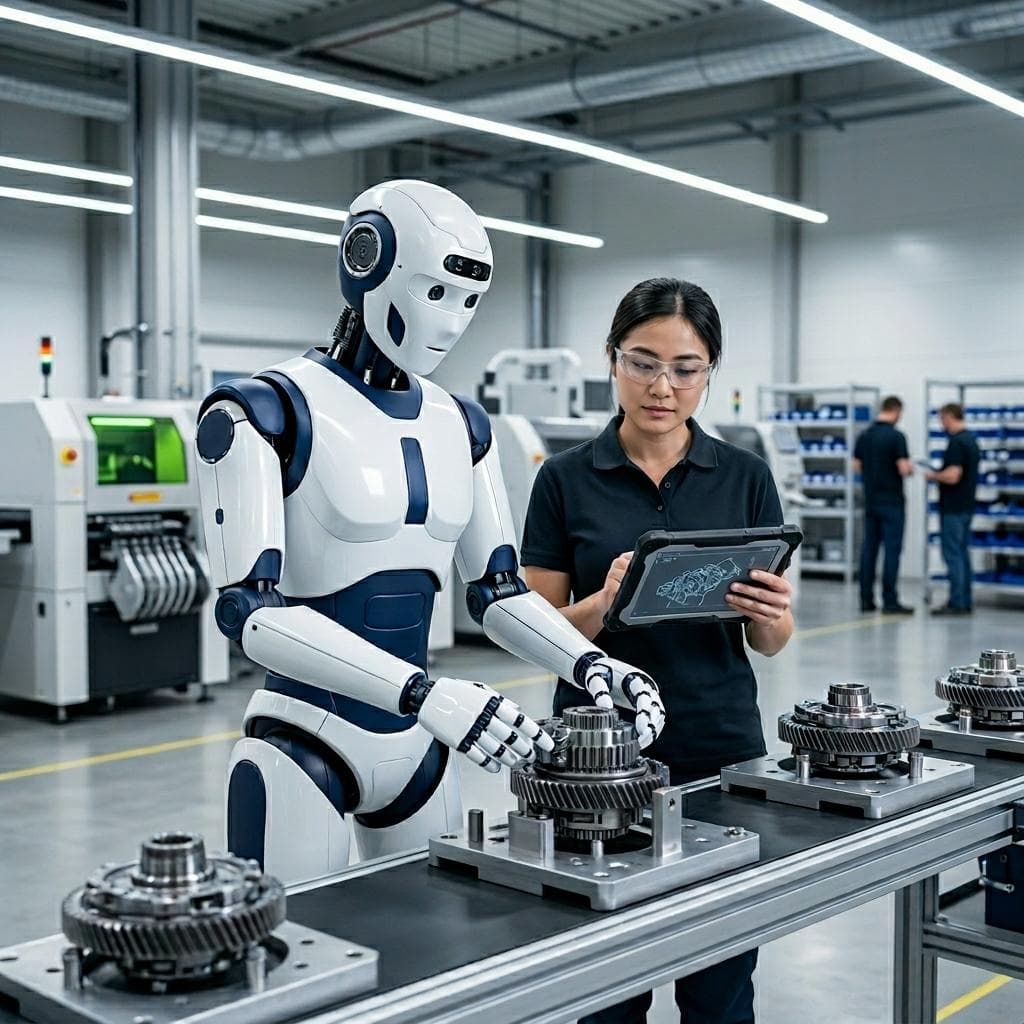
Inside Beijing's exhibition halls, the future has been moving on two legs. Humanoid robots have appeared in front of visitors performing demonstrations that once seemed reserved for science fiction: sorting parcels, handling objects, assembling products, and moving through spaces designed for human workers.
The tone surrounding the technology is beginning to change. Instead of focusing only on how dramatically a robot can dance, kick, run, or perform an acrobatic movement, Chinese robotics companies are increasingly asking where these machines can actually work. Reuters reported that companies at the World Robot Conference were demonstrating humanoids performing practical tasks in logistics, manufacturing, electronics, and household environments.
More than 300 mostly Chinese companies took part in the Beijing conference, displaying more than 2,000 robotics exhibits and introducing more than 150 new products, according to conference organizers. The range of machines reflected an industry moving from individual demonstrations toward a broader search for commercial applications.
Some demonstrations were deliberately ordinary. Robots sorted packages, packed mobile phones, and carried out household activities. These tasks may appear less spectacular than acrobatics, but they address a more difficult question: whether a machine can perform repetitive work consistently in environments that change from one moment to the next.
Factories are relatively structured, but even industrial spaces contain interruptions, obstacles, changing materials, and human workers moving nearby. Homes are less predictable still. Objects are placed differently each day, spaces can be narrow, and tasks often require subtle adjustments rather than a single repeated movement.
That is where artificial intelligence becomes central to the next stage of robotics. Companies are trying to give humanoid machines greater ability to perceive surroundings, understand instructions, and adapt their actions. The goal is not simply to create a machine that can walk like a person, but one that can operate effectively in spaces built around human behavior.
Investor attention has also grown alongside the technology. Unitree, one of China's prominent humanoid robotics companies, experienced a dramatic surge in its Shanghai trading debut on August 19, reflecting strong market interest in the sector. The company has become one of several Chinese firms seeking to turn humanoid robotics into a commercially scalable industry.
Yet the path from exhibition hall to workplace remains long. A robot can perform a task successfully under controlled conditions and still encounter difficulties when the environment changes. Reliability, maintenance, energy use, safety, software updates, and purchase costs all become part of the equation once a machine leaves a demonstration stage.
There is also a question of scale. The technology may attract attention when a handful of sophisticated robots appear at conferences, but widespread adoption would require production capacity, dependable components, affordable systems, and customers willing to integrate the machines into ordinary operations.
For China's robotics industry, the next chapter may therefore be written less by spectacular movement and more by repetition. The real test is whether humanoid machines can quietly perform useful tasks day after day, fitting themselves into factories, warehouses, homes, and other spaces where human workers have long established their own rhythms.
AI Image Disclaimer
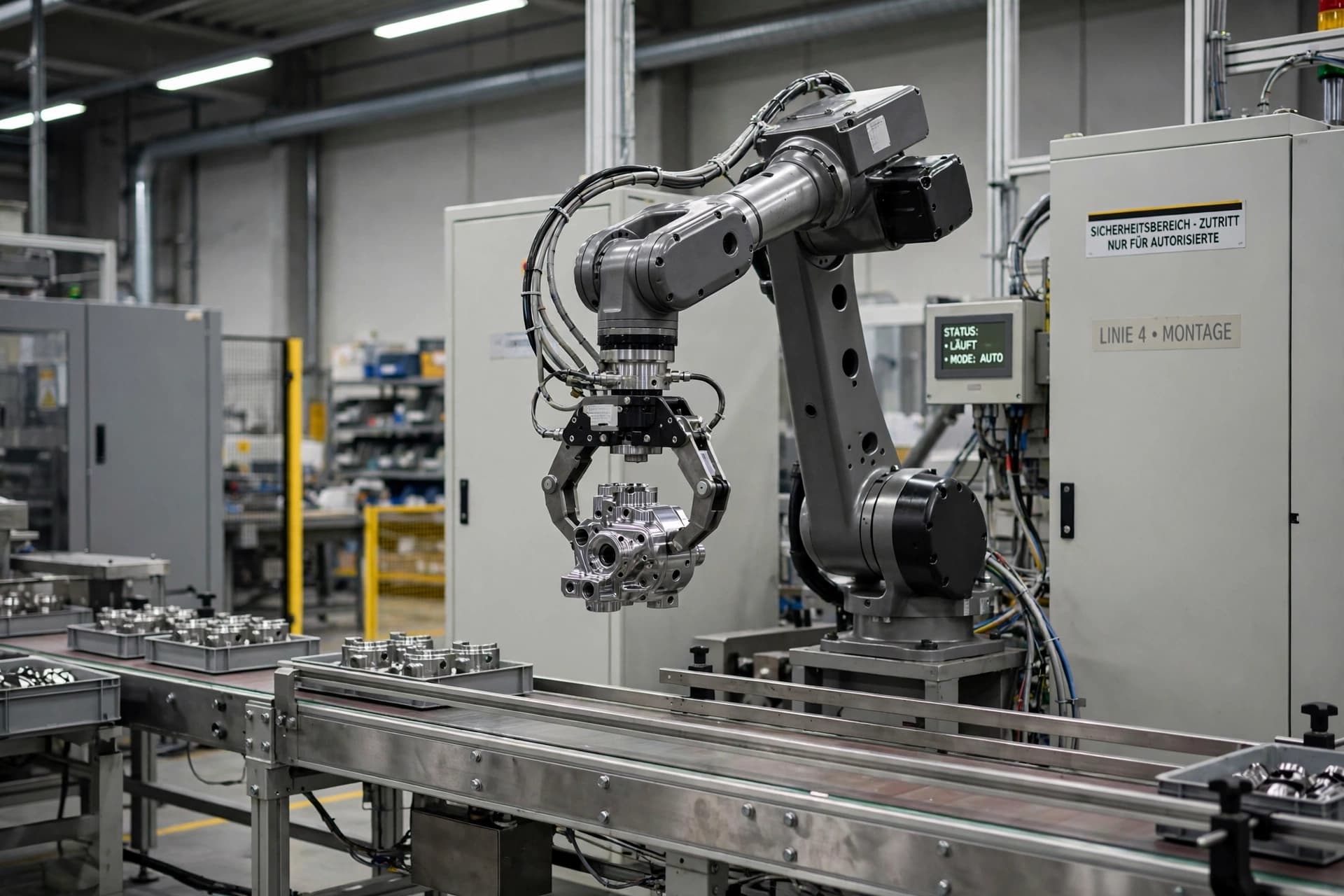
All visuals accompanying this article were produced using AI as illustrative concepts and should not be considered real event photography.
Sources
Reuters — China robot makers seek to turn humanoid hype into useful work — August 19, 2026.
Reuters — In pictures: Beijing World Robot Conference highlights — August 19, 2026.
Reuters Connect — 2026 World Robot Conference in Beijing — August 19, 2026.
Published by Banx Network. This article is part of the Banx decentralized media programme, powered by the BXE token on the XRP Ledger.

.jpg&w=3840&q=75 "The Artemis Revolution: How NASA Plans to Build Humanity's Future on the Moon")