There are moments in history when technology feels less like a tool and more like a quiet tide—rising, shaping shores we once thought permanent. In laboratories and policy rooms across Asia, that tide now carries a new name: artificial intelligence in healthcare. It arrives not loudly, but steadily, like dawn light slipping through hospital windows.
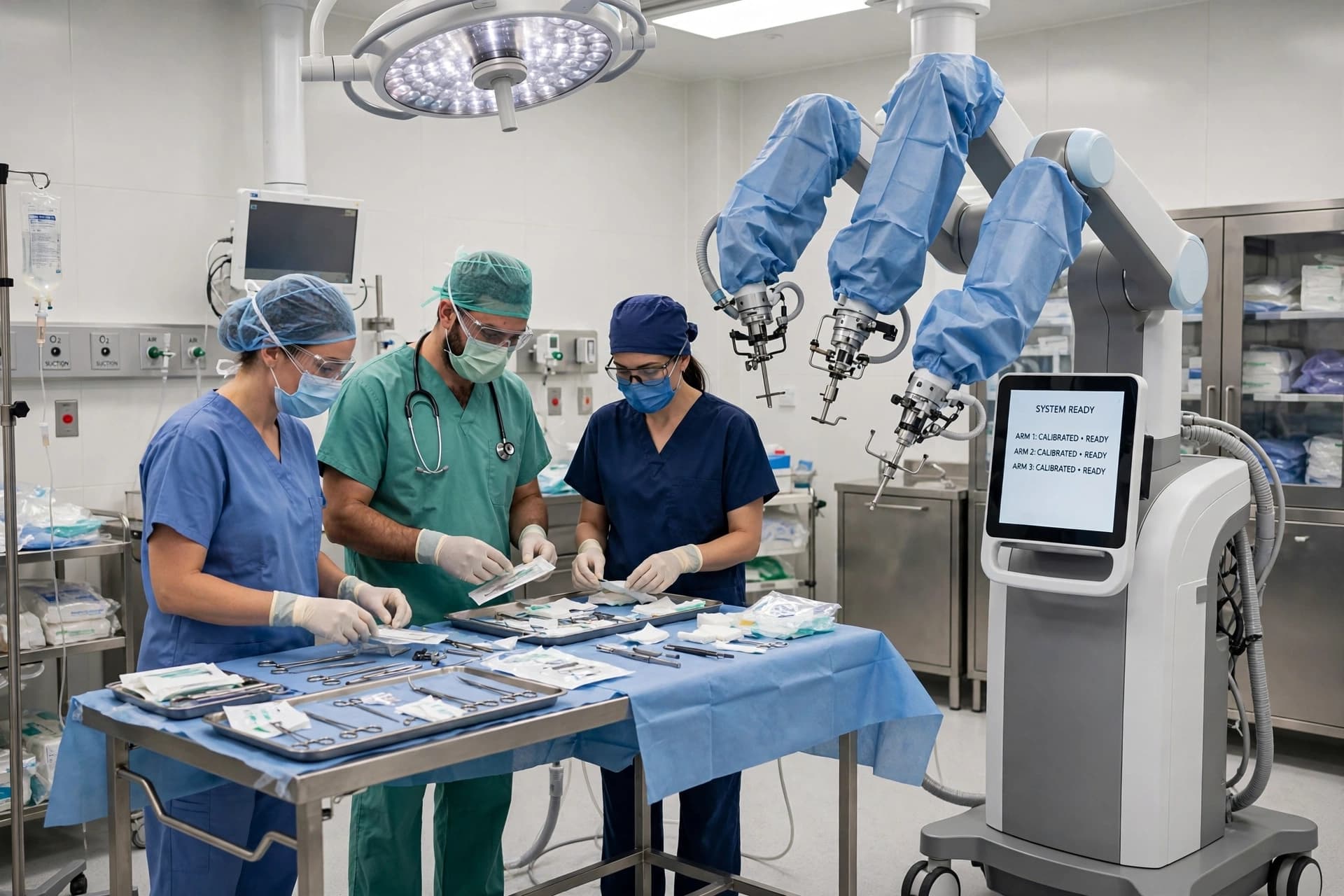
In recent developments, several Asian countries—including Japan, South Korea, and Singapore—have accelerated efforts to integrate AI into healthcare systems. From predictive diagnostics to robotic-assisted care for aging populations, AI is gradually becoming a silent partner in medical decision-making. Hospitals are experimenting with algorithms capable of detecting diseases earlier than traditional methods, while governments explore national strategies to manage both opportunity and risk.
Yet, beneath this technological promise lies a quieter question: how far should machines be allowed to interpret human vulnerability? Policymakers across the region are increasingly aware that innovation without governance may lead to ethical ambiguity. Concerns around patient data privacy, algorithmic bias, and the potential erosion of doctor-patient relationships are rising alongside technological optimism.
Economically, the shift is equally profound. Investment in health-tech startups across Asia has surged, drawing global capital and reshaping the region into a hub for medical innovation. The blending of biotechnology, machine learning, and digital infrastructure suggests not just evolution, but transformation—one that could redefine healthcare accessibility across densely populated nations.
Still, the story unfolding is not one of replacement, but of coexistence. Doctors remain at the heart of care, even as machines grow more capable. In many ways, AI serves as an extension of human intuition rather than its substitute—a mirror reflecting possibilities rather than decisions.
As Asia moves forward, the path appears less like a straight road and more like a river—branching, adapting, sometimes uncertain. But within that uncertainty lies a shared understanding: technology, when guided with care, may not only treat illness, but reshape how societies understand health itself.
AI Image Disclaimer Images in this article are AI-generated illustrations, meant for concept only.
Sources : Reuters BBC News The Guardian Bloomberg CNBC
Published by Banx Network. This article is part of the Banx decentralized media programme, powered by the BXE token on the XRP Ledger.

.jpg&w=3840&q=75 "Qantas Grounds Plane After Passengers Report Bedbug Bites")