
Key Highlights
- Recent reports suggest a significant agreement is nearing between the U.S. and Iran.
- Improved relations could impact economic cooperation and regional stability.
- The international community is cautiously optimistic about the potential for dialogue.
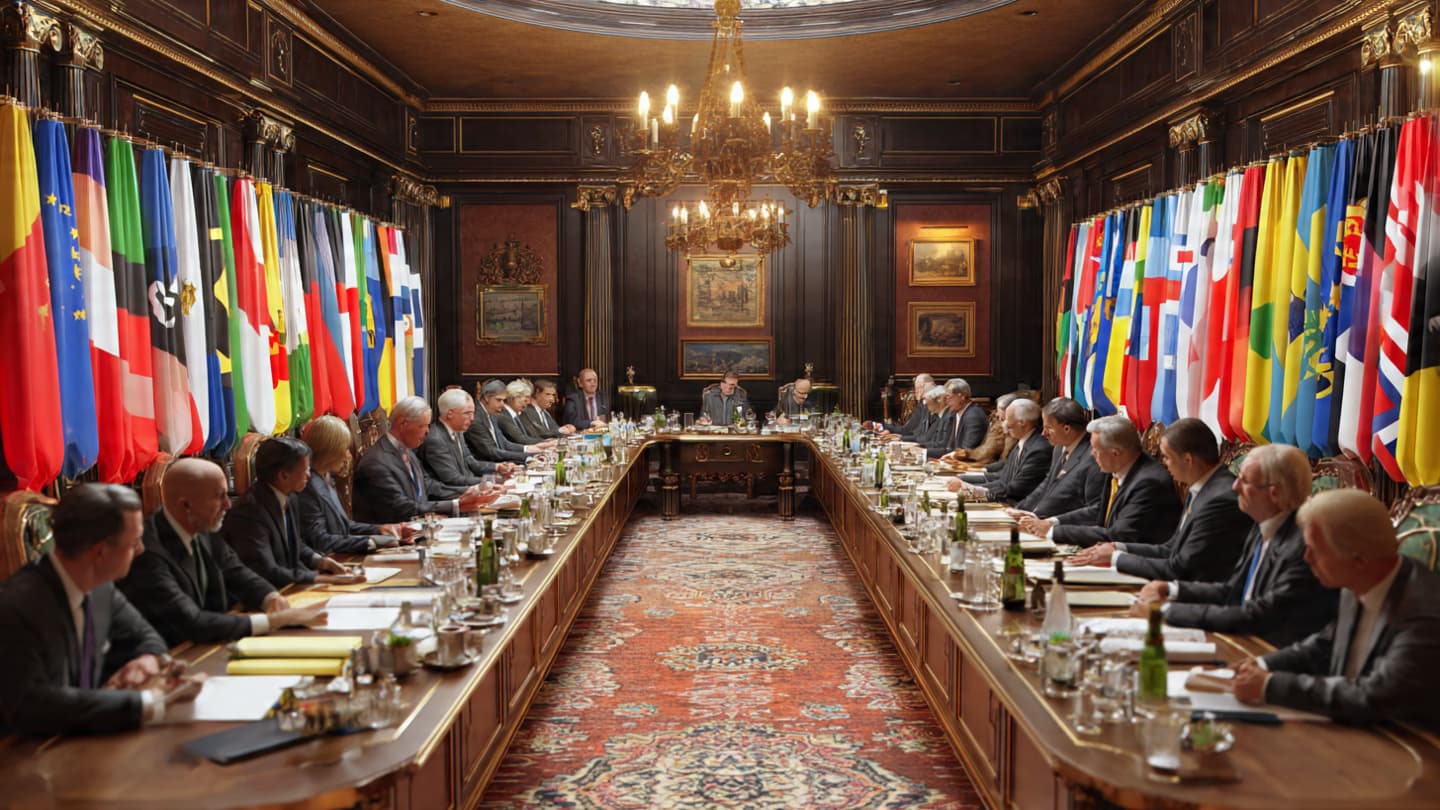
Recent developments in U.S.-Iran relations indicate that both nations may be on the brink of a significant diplomatic agreement. This potential accord aims to ease longstanding tensions and establish a framework for future cooperation. While many details remain under negotiation, the progress made thus far has garnered global attention, highlighting the importance of these discussions in the context of international relations.
Historically, relations between Washington and Tehran have been fraught with conflict and strategic rivalry. Over the decades, these tensions have not only influenced regional security but have also had far-reaching effects on global energy markets and international diplomacy. As such, any movement toward reconciliation carries substantial implications, not just for the two nations involved but for the broader geopolitical landscape.
Diplomatic negotiations are rarely straightforward or swift. They often unfold through a series of meetings, carefully crafted language, and gradual confidence-building measures. In many ways, diplomacy resembles the meticulous construction of a bridge, where each side tests the structure's ability to support greater weight. The current discussions between the U.S. and Iran reflect this painstaking process, as both parties navigate their respective interests and concerns.
Observers have noted that the emerging agreement could have a multifaceted impact. Economic cooperation, regional stability, energy flows, and international trade are all areas that stand to benefit if progress continues. This potential for positive outcomes explains why governments, businesses, and investors are closely monitoring developments, as they seek to understand the implications of improved U.S.-Iran relations.
Energy markets, in particular, have shown heightened interest in the possibility of improved relations. The prospect of reduced tensions raises expectations that disruptions affecting oil supplies and maritime trade routes could ease. For many economies still grappling with global uncertainties, greater predictability in these areas would be a welcome development.
The international community has responded with cautious optimism. Many countries view dialogue as a preferable alternative to confrontation, especially in regions where historical tensions have led to broader consequences. While diplomacy is not without its flaws, it remains one of the few viable tools capable of transforming longstanding disputes into opportunities for cooperation.
However, challenges persist. Negotiations of this magnitude rarely proceed without obstacles. Issues surrounding implementation, verification, and future commitments will likely require ongoing engagement from all parties involved. Analysts emphasize that the significance of the agreement extends beyond immediate policy outcomes. Successful dialogue can reshape perceptions, fostering an environment conducive to further discussions and reducing the likelihood of future misunderstandings.
As talks continue, the world watches with measured optimism. Whether this agreement ultimately becomes a lasting milestone or merely a step toward future progress, it serves as a crucial reminder that even the most complex relationships can evolve when dialogue remains open. The potential for a new chapter in U.S.-Iran relations is on the horizon, and the outcome of these negotiations could redefine the landscape of international diplomacy in the years to come.
Published by Banx Network. This article is part of the Banx decentralized media programme, powered by the BXE token on the XRP Ledger.



