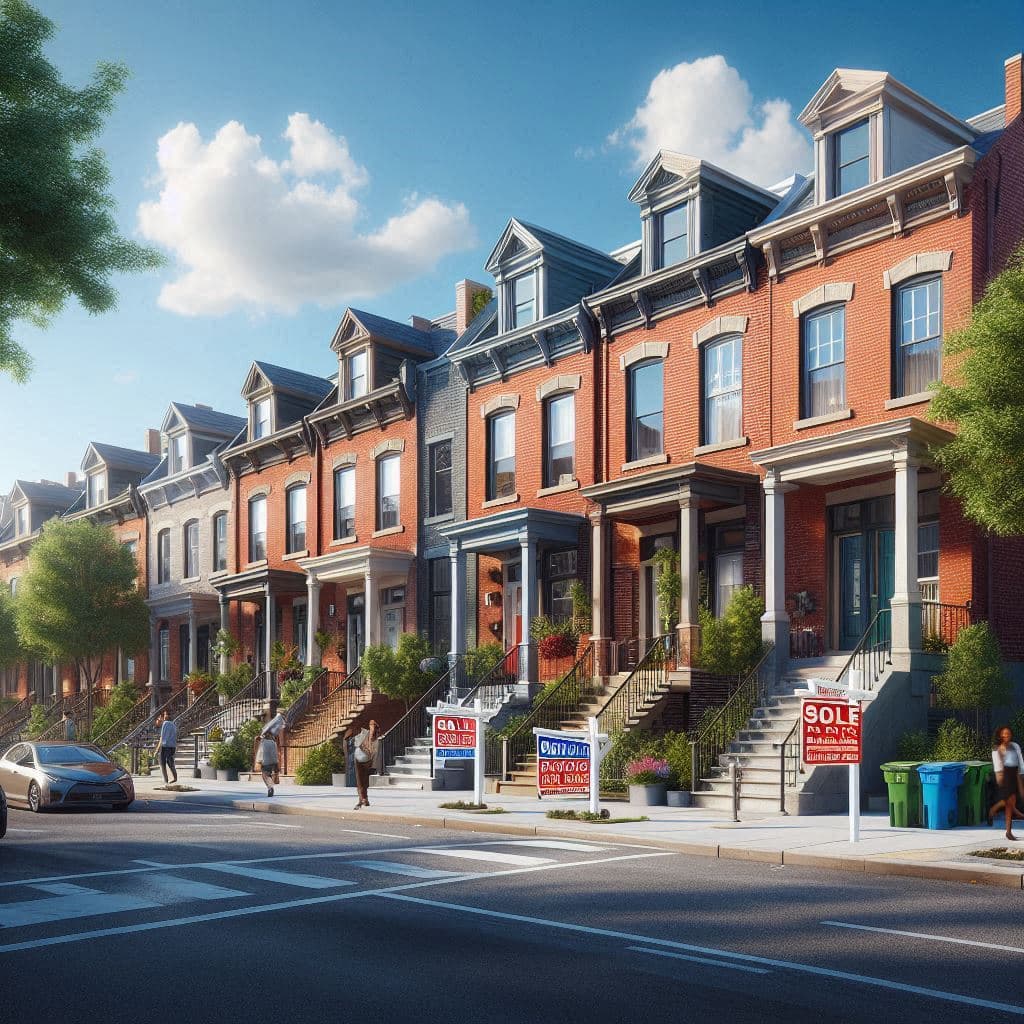
There are places where time seems to linger in the corners of porches and the quiet edges of sidewalks, especially in communities tethered to a university’s rhythms. Around Temple University in North Philadelphia, blocks of rowhomes and rental buildings have long been part of a story shared by students, landlords, and neighborhoods. Recently, that story took an unexpected turn, revealing an unfolding chapter that has captured attention and raised questions about the nature of real estate and trust.
In the wan light of everyday transactions, a pattern emerged: dozens of multifamily properties, many aimed at student renters, had sat on the market for months or even years with little interest. Then, almost abruptly, they sold for figures that startled local observers — often more than twice their originally listed prices. At the heart of many of these deals were real estate professionals from established brokerages, orchestrating sales that seemed, at first glance, to defy the familiar rhythms of supply and demand.
Patrick C. Fay, a name now intertwined with these transactions, appears as the buyers’ agent in many of the deals. In the marketplace — where vacancy rates have risen and rents have cooled with declining student enrollment — such rapid movement was unusual. Sellers who had waited for a buyer at modest prices suddenly saw properties change hands for well above expectations, sometimes within days of re-listing.
The mechanics of the transactions raised eyebrows among lenders and local watchers. It wasn’t merely that the sales prices were higher than anticipated, but that the pattern of pricing and financing suggested a complex interplay between agents, limited liability companies, and private lenders. In several cases, entities connected to previous mortgage-related legal issues appeared on the ownership side of the deals.
For residents and students alike, the ripple effects are not just numerical. Property assessments, taxes, and the overall perception of the neighborhood feel the tug of these unusual sales. Local institutions have taken note; officials have described their concerns and initiated reviews of how the sales might affect student renters and surrounding blocks.
Coldwell Banker, the brokerage where Fay was affiliated, has since severed ties and launched its own internal review. Agents at other major firms also appear among those connected to the disputed sales. Some participants have denied any impropriety, emphasizing the legitimacy of agreements made between willing buyers and sellers.
Behind the transactional veneer, there is a quieter narrative about community trust, changing markets, and the evolving relationship between institutions and the neighborhoods that envelop them. Residents who have watched vacant homes line the blocks may see these rapid changes with a mix of relief and wariness, mindful that numbers on a deed do not fully capture the texture of life lived there.
As questions continue to circulate, investigators and industry observers will undoubtedly piece together the full scope of these deals. For now, what remains most visible is the juxtaposition of still-empty properties and the stark figures that now appear on their sales records — a reminder that the built environment is as much a locus of economic activity as it is of human experience.
In the midst of it all, Temple University and community stakeholders are watching closely, seeking clarity on how these transactions will shape the future of housing, investment, and neighborhood life around one of Philadelphia’s enduring institutions.
AI Image Disclaimer Graphics are AI-generated and intended for representation, not reality.
Sources The Philadelphia Inquirer (news reporting on Temple-area real estate transactions)
Published by Banx Network. This article is part of the Banx decentralized media programme, powered by the BXE token on the XRP Ledger.