In the distant reaches of the universe, where light itself sometimes struggles to arrive, there are events that unfold like whispers rather than flashes. Gamma-ray bursts, often described as the brightest explosions known, occasionally appear cloaked in silence, their brilliance hidden behind veils that challenge even the most sensitive instruments.
Astronomers studying a recent optically dark gamma-ray burst have uncovered evidence of an unusually wide jet, offering new insight into these powerful cosmic phenomena. A typically emits intense radiation detectable across multiple wavelengths, yet in this case, visible light remained largely absent.
Researchers suggest that the absence of optical signals may be due to dust obscuration or the burst occurring at extreme distances, where light is stretched beyond visible detection. Despite this, radio and X-ray observations provided crucial data, allowing scientists to reconstruct the structure of the jet.
The discovery of a wider-than-expected jet challenges conventional models, which often assume narrower beams of energy. A broader jet implies that such events may be more common than previously thought, as wider emissions increase the likelihood of detection from Earth.
Observations were supported by international collaborations using ground-based telescopes and space observatories, including instruments aligned with missions like the . These tools enable rapid detection and follow-up analysis of transient cosmic events.
The structure of the jet also provides clues about the progenitor system, often linked to collapsing massive stars or merging neutron stars. Understanding the geometry helps scientists refine models of how energy is released during these extreme processes.
Beyond individual events, such findings contribute to a broader effort to map the life cycles of stars and the distribution of matter in the universe. Each gamma-ray burst serves as both a signal and a probe, illuminating conditions across vast cosmic distances.
As detection methods improve, astronomers expect to uncover more examples of optically dark bursts, gradually building a clearer picture of their diversity and frequency.
The observation of an unusually wide jet adds a new dimension to the study of gamma-ray bursts, reminding researchers that even the brightest phenomena can carry hidden complexities.
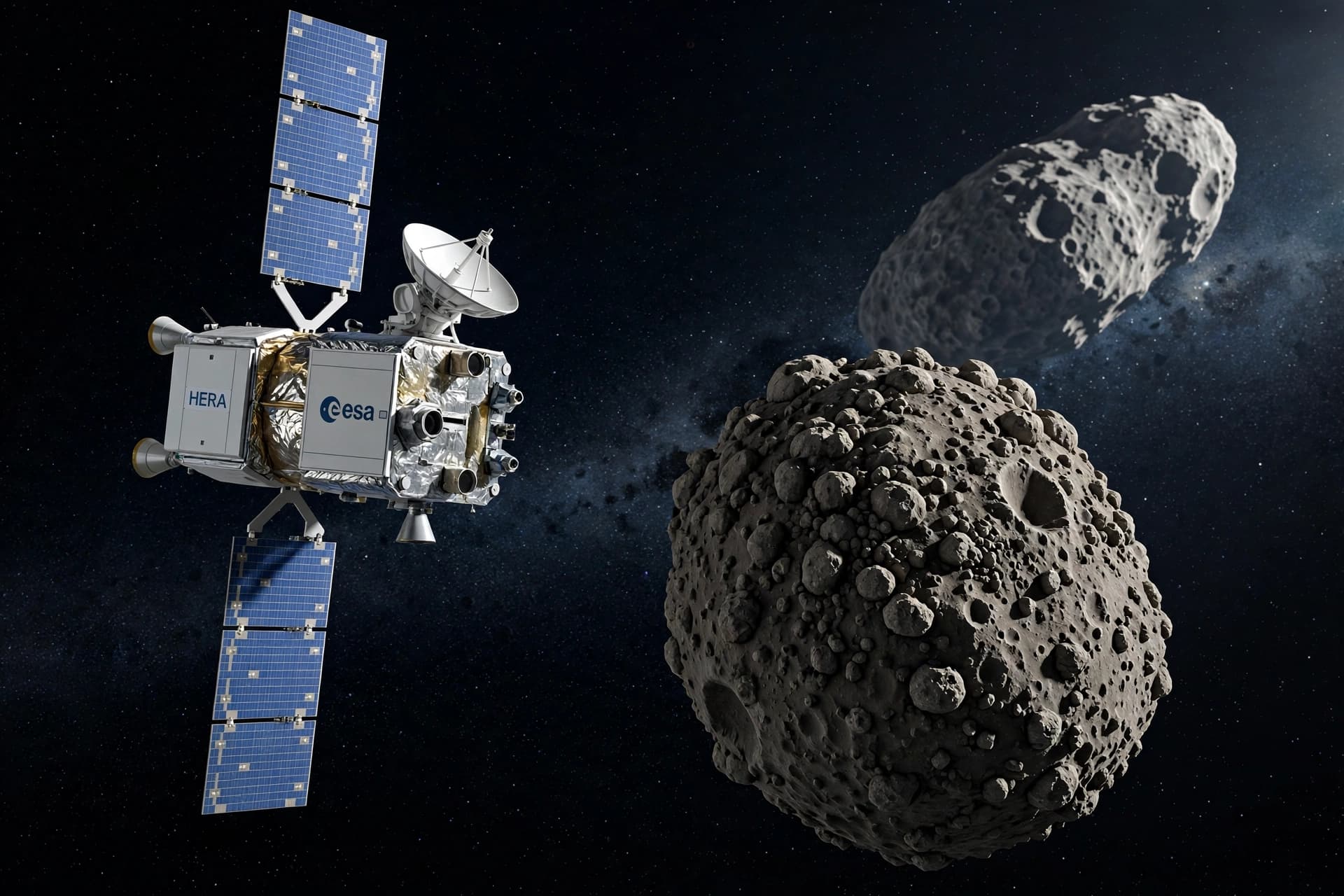
AI Image Disclaimer: Some visuals in this article are AI-generated to illustrate astronomical phenomena that are difficult to capture directly.
Sources: NASA, Nature Astronomy, Astrophysical Journal, ESA
Published by Banx Network. This article is part of the Banx decentralized media programme, powered by the BXE token on the XRP Ledger.