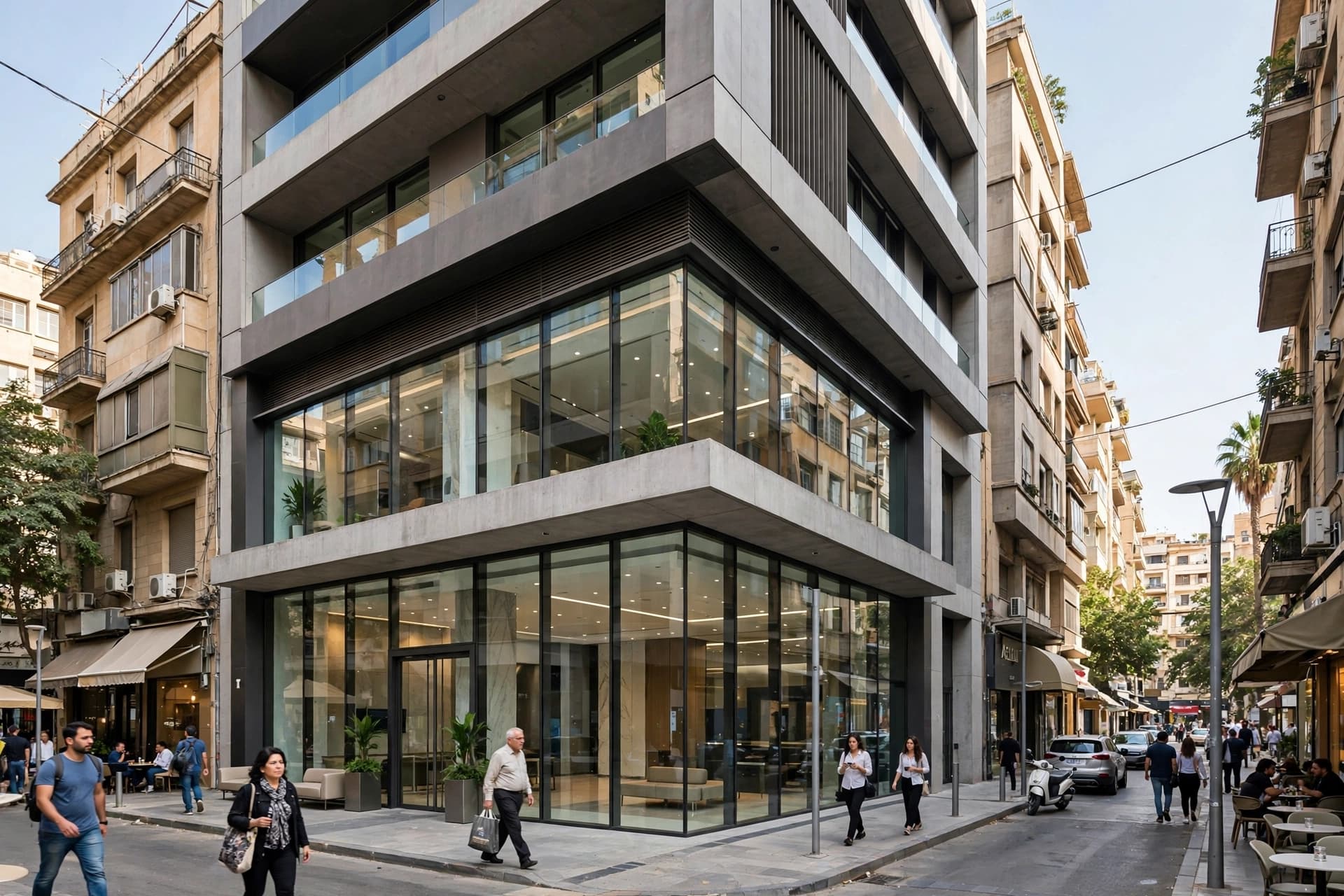
For years, Starbucks embodied the idea of omnipresence. In cities like New York and Los Angeles, its green siren appeared on nearly every major corner, embedded into the rhythm of daily life. Now, the company is signaling a notable shift — one that suggests saturation may no longer be a strategy, but a liability.
Executives have acknowledged that not every store is worth keeping open, particularly in dense urban markets where foot traffic patterns have changed dramatically since the pandemic. Remote work, altered commuting habits, and rising operational costs have quietly reshaped the economics of the coffee business. What once made sense in a world of packed sidewalks and predictable routines no longer guarantees sustainability.
The pullback does not mark a retreat from cities themselves, but rather a recalibration of presence. Starbucks is prioritizing locations that deliver consistent demand, operational efficiency, and stronger customer engagement, while trimming stores that overlap too closely or fail to meet new performance benchmarks. In doing so, the company is signaling a shift away from expansion for its own sake toward a more disciplined model.
This move also reflects broader changes in consumer behavior. Urban customers are more selective, more mobile, and less tied to habitual routines. Convenience alone no longer ensures loyalty. Experience, speed, and relevance now define where people choose to spend their time and money.
For a brand once defined by its ubiquity, the decision to step back carries symbolic weight. It suggests that even the most dominant retail names must adapt to a landscape shaped by economic pressure, evolving lifestyles, and a more discerning public. In stepping away from every corner, Starbucks may be trying to rediscover where it truly belongs.
Published by Banx Network. This article is part of the Banx decentralized media programme, powered by the BXE token on the XRP Ledger.