There’s a familiar hum on America’s assembly lines that carries both pride and unease — the sound of pistons and robots, but also the echo of change. Like an old river meeting a shifting sea, the U.S. auto industry finds itself at a crossroads, balancing legacy and innovation, tradition and reinvention. In recent months, the question on many minds has been gently spoken but keenly felt: Do America’s carmakers have a plan for survival? This question does not seek drama. It asks, softly but insistently, whether strategy aligns with the evolving tides of global markets and technology.
The challenge is multilayered. For decades, American giants such as Ford, General Motors (GM), and Stellantis (which includes Chrysler) built their reputations on internal combustion engines and trucks that define roadways across the nation. But today’s global market is tilting. As nations and consumers steadily tilt toward electric vehicles (EVs), these legacy manufacturers have struggled to find consistent footing. In recent years, several companies have reported financial setbacks in EV ventures, raising questions about their transition plans and pace.
Consider what’s playing out at Ford. Once among the most aggressive in electrification, the company recently announced write‑downs and cancellations of certain electric models as it grapples with shifting demand and policy changes at home. This shift underscores the tension between past investments and present market realities, especially in a political climate that has loosened federal EV incentives and emissions rules, prompting some manufacturers to reassess their commitment to battery‑only models.
Yet survival does not mean retracing old paths — it often means redefining them. General Motors, for example, has publicly pledged to transition to fully electric vehicles by 2035 and is investing in charging infrastructure and renewable energy across its operations as part of that pivot. Such moves reflect a long‑term view that accommodates both environmental trends and future market demand.
Across the industry, there are also broader signs of strategic adaptation. Automakers are increasingly standardizing charging systems, like adopting the North American Charging Standard (NACS), which unifies EV infrastructure and may bolster consumer confidence and convenience. Meanwhile, new entrants and startups — such as American EV makers backed by significant private capital — are pushing the boundaries of what the next generation of vehicles might look like, hinting at a future shaped by innovation as much as heritage.
But strategy isn’t only about product transitions or infrastructure alignment. It is also about weathering global competition. Leaders within the industry have openly recognized that competition — particularly from Chinese manufacturers that command significant share in EV production worldwide — is reshaping the landscape. Some executives welcome this as a spur to innovation, while others see it as a formidable strategic imperative.
In this gently unfolding narrative, survival is not a single outcome but a spectrum of possibilities. It includes embracing electrification, balancing product portfolios, refining operational efficiency, and navigating policy turbulence. Yet it also invites reflection on the industry’s broader identity: an industry that once defined American mobility now seeks its place in a global ecosystem defined by sustainability, technology, and evolving consumer expectations.
In straight news terms, U.S. automakers are adjusting their strategies amid slowed EV demand, shifting federal policies, and intense global competition. Legacy manufacturers continue to refine long‑term electrification plans and explore new platforms and standards as they seek a pathway to future competitiveness.
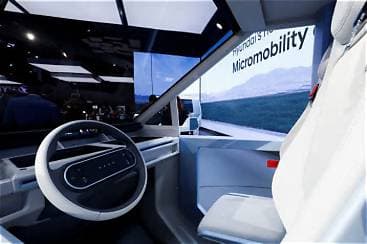
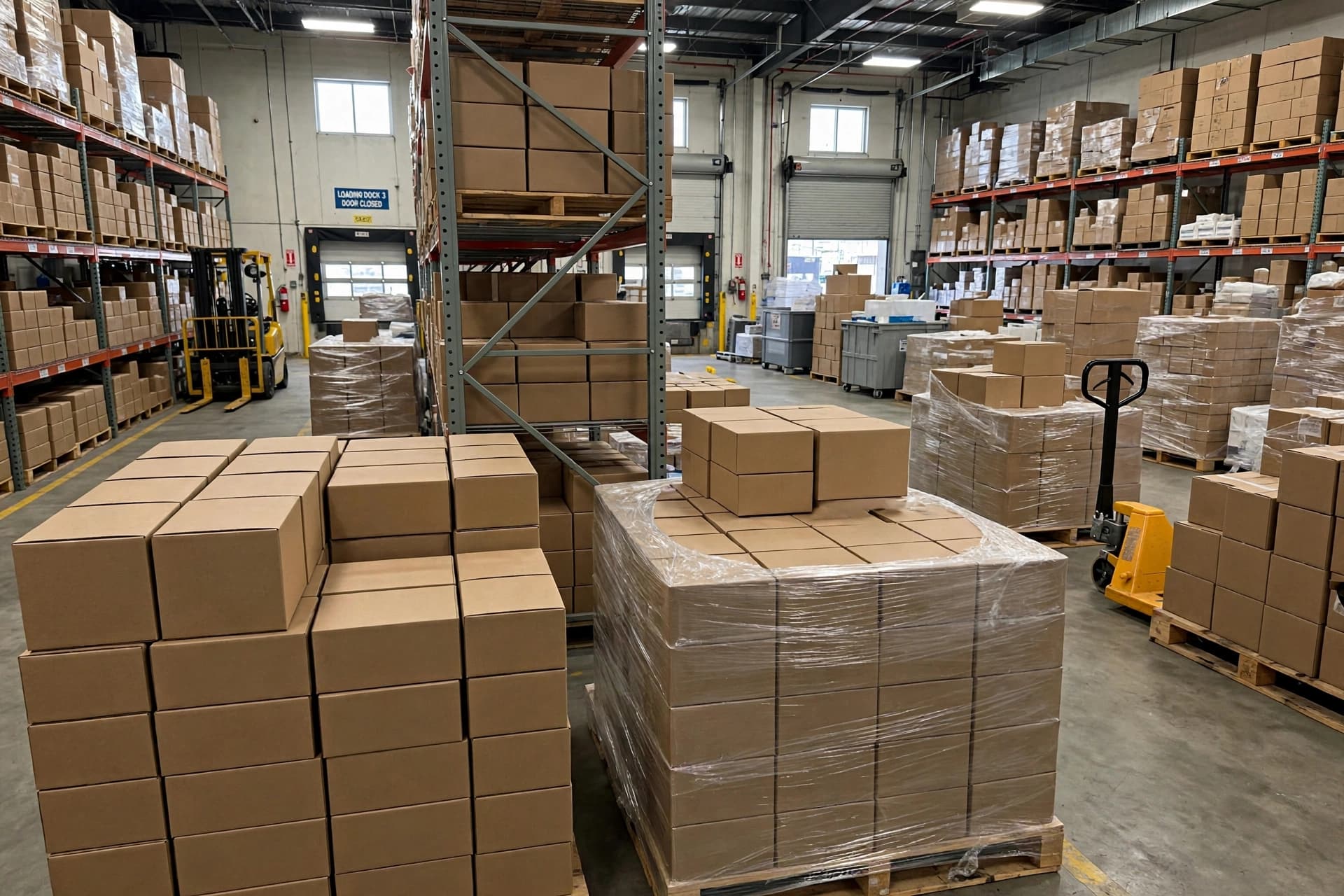
AI Image Disclaimer Visuals are created with AI tools and are not real photographs, meant for concept only.
Sources
• Financial Times
• Reuters
• Investors.com
• Automotive standards sources
• Wikipedia automotive company pages
Published by Banx Network. This article is part of the Banx decentralized media programme, powered by the BXE token on the XRP Ledger.