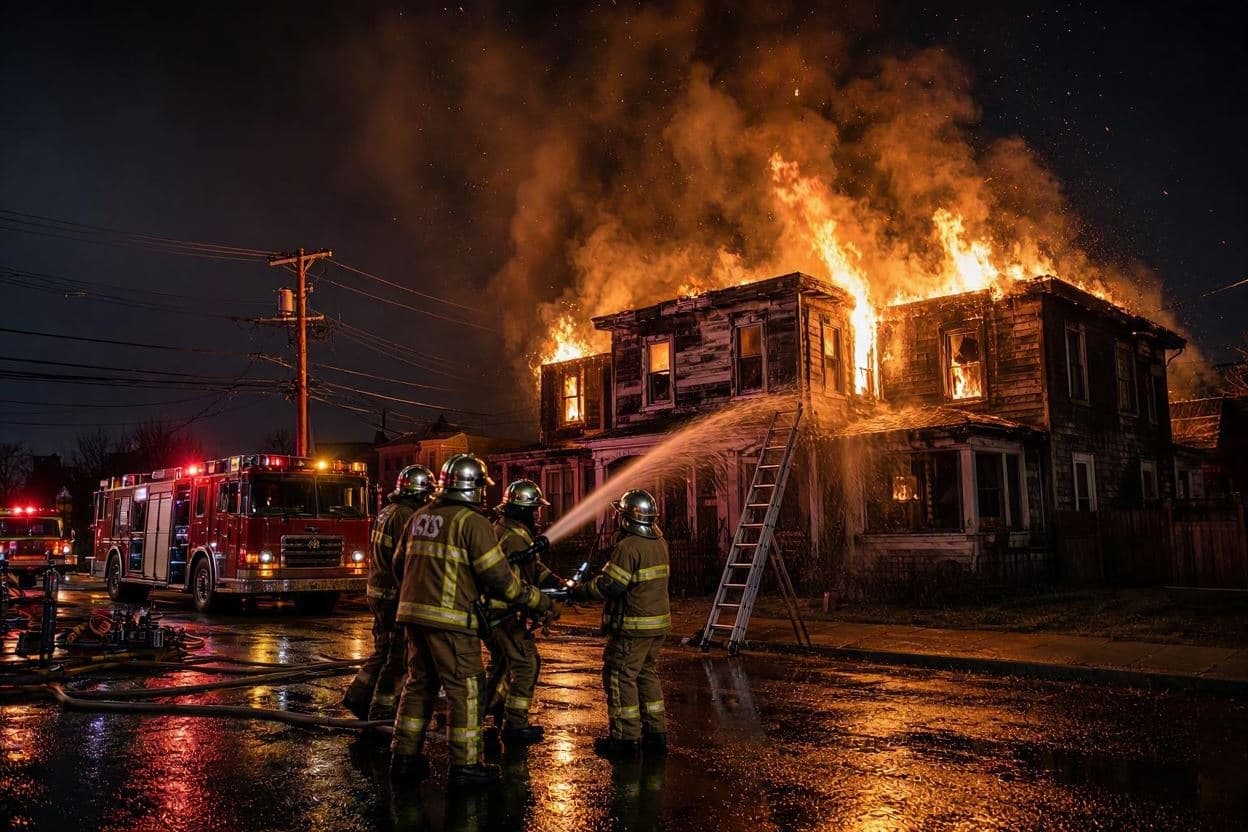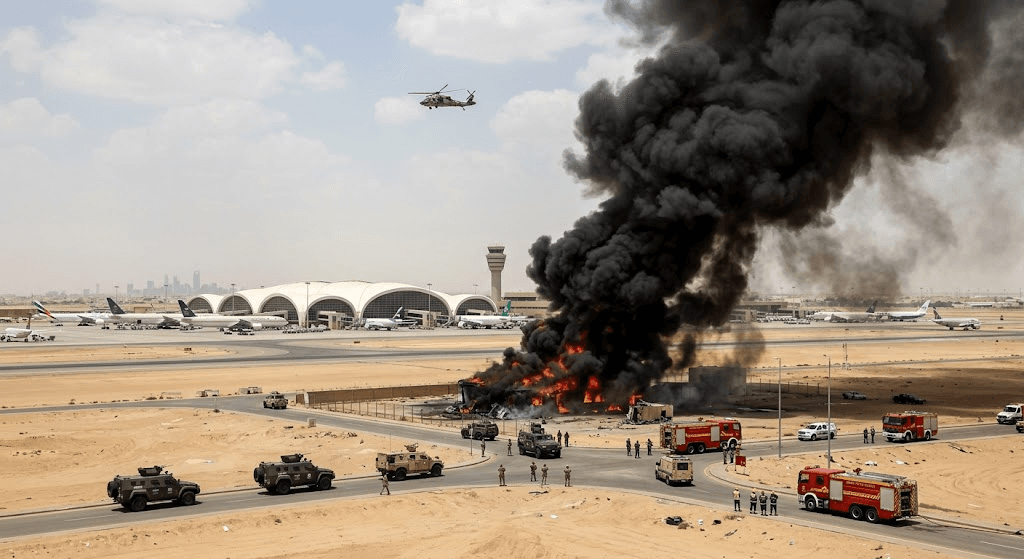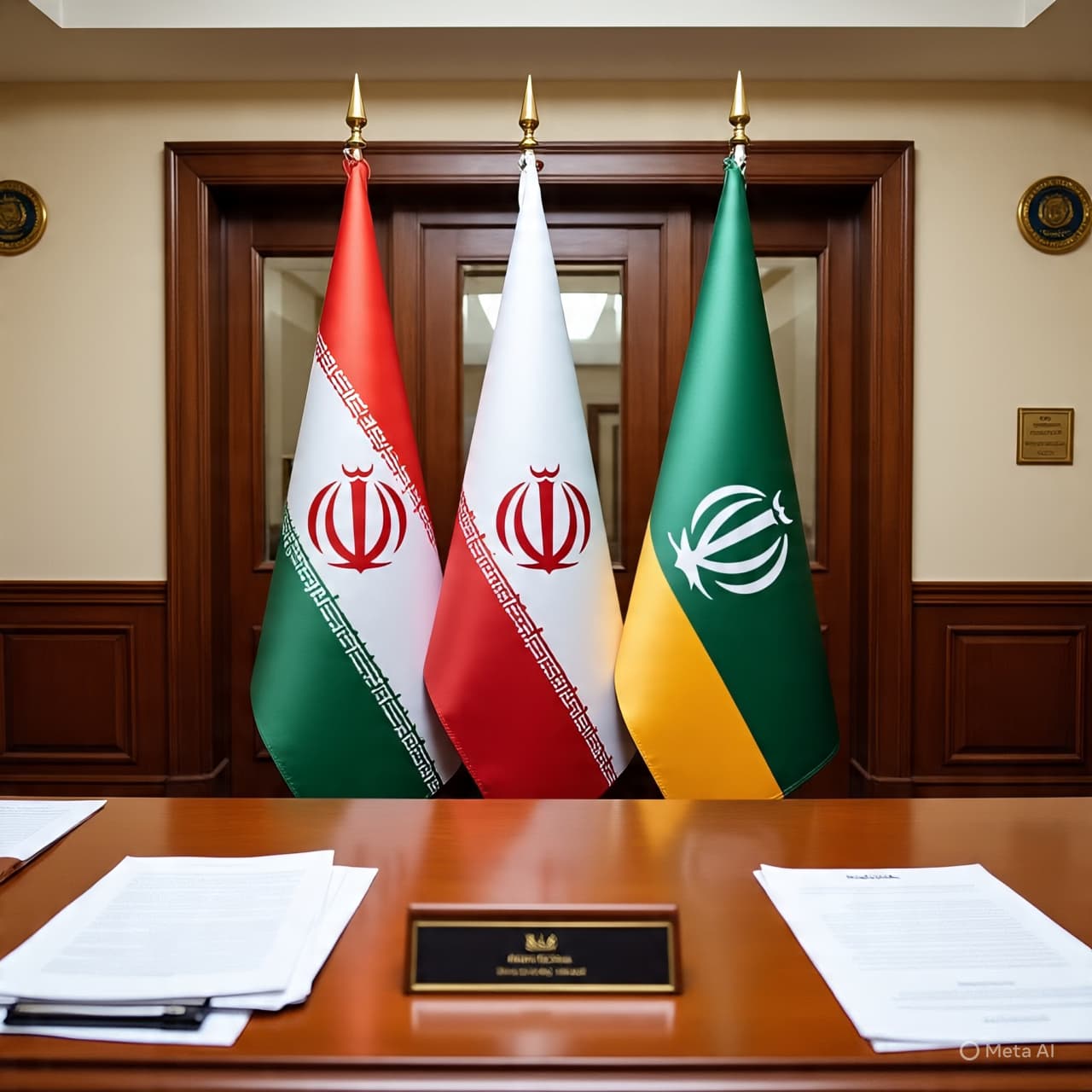
There are moments when leadership changes arrive not as routine transitions, but as echoes of deeper currents moving beneath the surface. They carry with them a quiet weight, shaped not only by the individuals involved but also by the circumstances that surround their arrival. In Iran, such a moment has emerged, where continuity and response seem to meet at a single point in time.
Following the reported killing of Ali Larijani, authorities have moved to appoint a new security head, selecting a veteran figure from the Islamic Revolutionary Guard Corps. The decision reflects a familiar pattern within Iran’s governance structure, where experience within established institutions often plays a central role in moments requiring both stability and signaling.
The appointment itself unfolds within a broader context marked by tension and uncertainty. Leadership in security roles is rarely isolated from the environment in which it operates; rather, it is shaped by ongoing developments both within and beyond national borders. In this sense, the choice of a veteran figure may be seen as an effort to maintain continuity while responding to immediate concerns.
Transitions of this kind often carry layered meanings. On one level, they represent the practical need to fill a position of importance. On another, they can signal intent—offering insight into how a country chooses to navigate a particular moment. The selection of someone with a background in the Islamic Revolutionary Guard Corps suggests an emphasis on institutional familiarity and operational experience.
At the same time, the reported circumstances surrounding Larijani’s death add a further dimension to the story. Events that lead to sudden changes in leadership tend to resonate beyond their immediate impact, shaping perceptions and influencing the tone of subsequent decisions. In such instances, responses are often calibrated not only to address the present but also to manage broader implications.
Observers may view this development through multiple lenses. For some, it underscores the importance of continuity in maintaining stability during uncertain periods. For others, it raises questions about how leadership transitions intersect with evolving regional dynamics. These perspectives, while varied, contribute to a fuller understanding of the moment.
The broader regional context remains an important backdrop. Iran’s security decisions are often closely watched, given their potential implications for both domestic policy and international relations. Each appointment, therefore, becomes part of a larger narrative—one that extends beyond individual roles to encompass wider strategic considerations.
As with many developments of this nature, clarity may emerge gradually rather than immediately. The impact of leadership changes is often revealed over time, through the actions and decisions that follow. For now, the appointment stands as both a response to recent events and a step within an ongoing process.
Officials have confirmed the selection of a new security head following the death of Ali Larijani, with the role now filled by a veteran of the Islamic Revolutionary Guard Corps. Further details regarding the transition and its implications are expected to become clearer in the coming days.
AI Image Disclaimer Graphics are AI-generated and intended for representation, not reality.
Source Check (Credible Media Identified): Reuters BBC Al Jazeera The New York Times Associated Press
Published by Banx Network. This article is part of the Banx decentralized media programme, powered by the BXE token on the XRP Ledger.