Even in times of conflict, a nation's political landscape continues to evolve, often balancing the demands of security, governance, and public trust. In Ukraine, a major government reshuffle has unfolded against the backdrop of the ongoing war with Russia, bringing rare public demonstrations that underscore the significance many citizens attach to leadership during a national crisis.
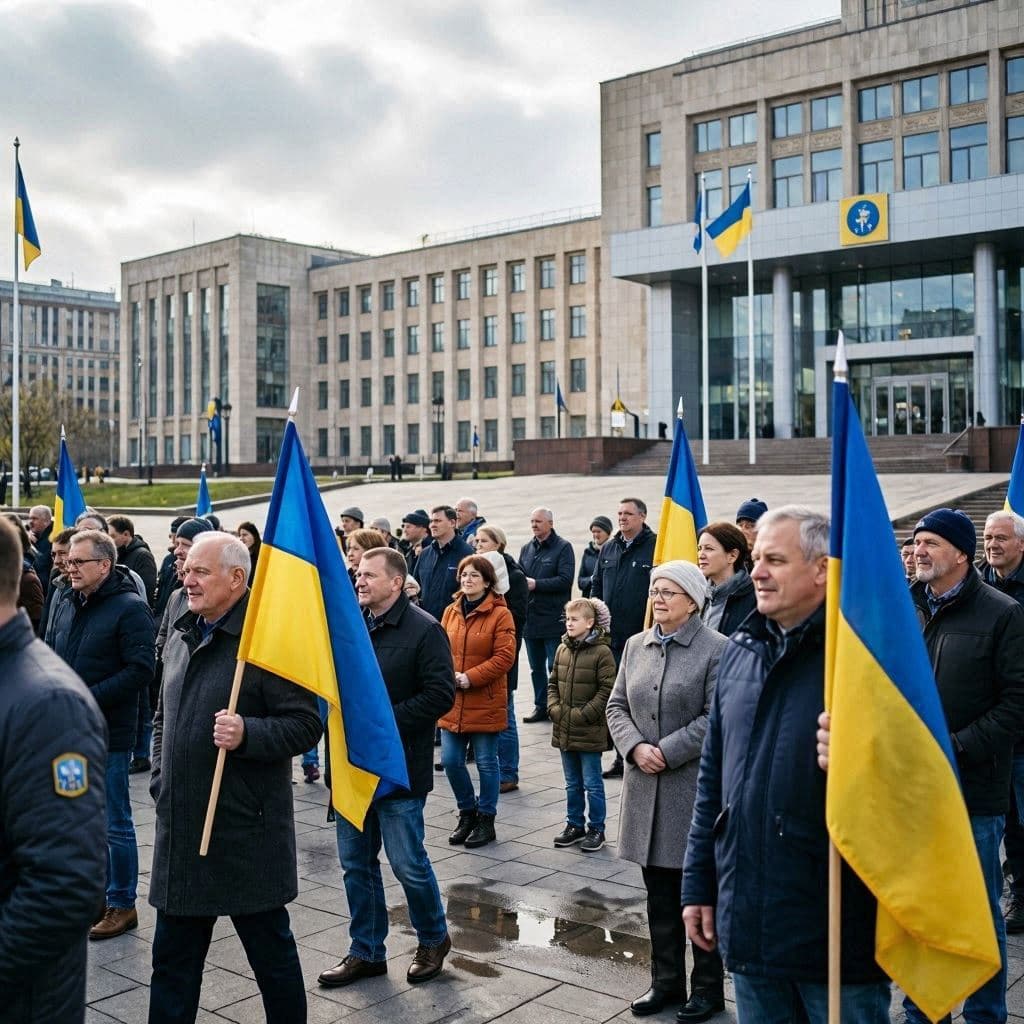
Hundreds of demonstrators gathered in Kyiv and several other Ukrainian cities after President Volodymyr Zelenskyy dismissed Defense Minister Mykhailo Fedorov as part of a broader cabinet reshuffle. The protests coincided with parliamentary consideration of a new government, making them among the most notable public demonstrations since wartime restrictions came into effect.
Fedorov, who had earned recognition for promoting technological innovation, expanding Ukraine's drone capabilities, and modernizing aspects of defense procurement, was widely viewed by supporters as an important reformer. His dismissal prompted concern among some military personnel, civil society groups, and lawmakers, while one senior Air Force officer announced his resignation in protest.
President Zelenskyy defended the cabinet changes as part of a broader effort to strengthen government leadership during the continuing conflict with Russia. The reshuffle included the nomination of Sergii Koretskyi as prime minister and the appointment of Interior Minister Ihor Klymenko to succeed Fedorov as defense minister.
Political analysts noted that cabinet reshuffles are not unusual during periods of prolonged national emergency. However, the visible public response highlighted the degree of confidence many Ukrainians had placed in Fedorov's reform agenda, particularly his efforts to integrate technology and improve military efficiency during wartime.
The developments also attracted close attention from Ukraine's international partners. European governments, which continue to provide significant financial and military assistance, are expected to monitor how the new administration maintains policy continuity while addressing domestic concerns raised by the protests.
Despite the demonstrations, Ukraine's constitutional institutions continued operating as parliament proceeded with voting on the proposed government. Officials emphasized that the country's defense operations remain active while the transition takes place, reflecting an effort to maintain stability during an exceptionally challenging period.
As Ukraine continues navigating both military and political challenges, the recent events illustrate how leadership decisions can resonate well beyond government chambers. While the cabinet transition moves forward, public attention remains focused on how the new leadership will preserve defense capabilities, sustain reform efforts, and maintain confidence during an ongoing war.
AI Image Disclaimer: The accompanying images are AI-generated illustrations created to represent the reported events and should not be interpreted as authentic photographs.
Sources (verified):
Reuters Associated Press (AP) Financial Times Euronews
Published by Banx Network. This article is part of the Banx decentralized media programme, powered by the BXE token on the XRP Ledger.