Key Highlights
- Recent Ruling:A court has ordered a property developer to surrender land after an $11 million legal battle.
- Legal Complexity:The case highlights the intricate nature of property law and contractual obligations.
- Broader Implications:The ruling may influence future property transactions and due diligence practices.
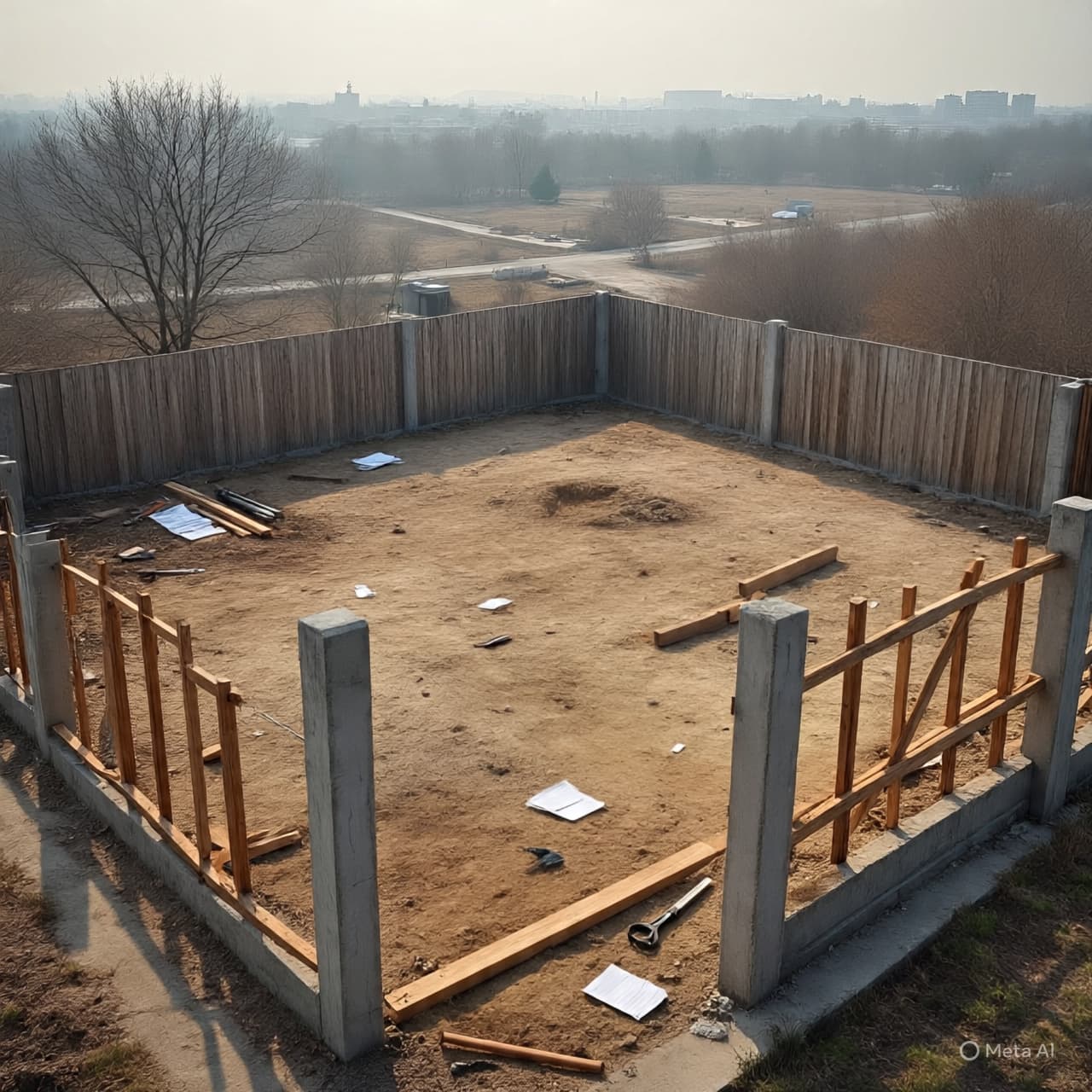
In the realm of real estate, land represents more than just physical space; it embodies ambition, investment, and the potential for future development. However, when disputes arise, the stakes can escalate dramatically, leading to prolonged legal battles that reshape ownership and financial outcomes. A recent court ruling has brought this reality to light, as a property developer was ordered to relinquish a parcel of land following a significant legal defeat that cost them $11 million.
The case revolved around competing claims regarding the ownership of the land and the validity of the agreements associated with its development. Court proceedings meticulously examined documentation, timelines, and the conduct of the parties involved. Ultimately, the court determined that the developer's claims could not be sustained under the prevailing legal standards, marking a pivotal moment in the dispute.
Legal experts emphasize that property disputes often hinge on intricate details—clauses that may seem routine but can have profound implications when challenged. In this instance, the court's ruling underscored the importance of contractual intent and compliance, illustrating how legal interpretations can dramatically alter the landscape of property ownership.
For the developer, the ruling signifies not only a substantial financial loss but also the collapse of strategic plans tied to the land. Development projects, which often take years to materialize, can unravel swiftly when legal uncertainties arise. The implications of this ruling extend beyond the immediate parties involved, as observers note that it highlights broader risks within the property sector, particularly as land prices continue to rise.
As high-value transactions come under increasing scrutiny, the likelihood of disputes grows, especially when agreements lack clarity or transparency. This ruling may serve as a cautionary tale for industry professionals, emphasizing the necessity for rigorous due diligence and clearer contractual frameworks in future dealings.
Communities connected to such developments often face indirect consequences when projects stall or collapse. Delays in infrastructure, housing availability, and economic activity can ripple through the community, affecting residents and local businesses alike. The broader impact of property disputes thus extends well beyond the courtroom, influencing the economic landscape of entire regions.
While the court's decision provides a sense of closure in this particular legal battle, it raises important questions about how similar disputes might be prevented in the future. Strengthening regulatory oversight and fostering clearer communication between stakeholders could be part of the solution, helping to mitigate the risks associated with property transactions.
Ultimately, this judgment serves as a reminder of a fundamental principle: ownership, while often assumed, is defined by law. When contested, even the most seemingly solid ground can shift under the weight of legal interpretation, underscoring the critical need for clarity and precision in property dealings.
Published by Banx Network. This article is part of the Banx decentralized media programme, powered by the BXE token on the XRP Ledger.