Across vast distances, academic institutions often find ways to meet in shared curiosity. Canada and Australia, though separated by oceans and climate differences, continue to strengthen their scientific relationship through collaborative research initiatives.
The partnership between universities in both countries reflects a growing trend in global academia: knowledge is increasingly borderless. Fields such as quantum computing, artificial intelligence, environmental science, and advanced manufacturing are central to this cooperation.
By combining research capabilities, institutions are able to accelerate innovation while sharing infrastructure, data, and expertise. This reduces duplication and allows scientists to focus on deeper exploration of complex problems.
One of the most significant aspects of this collaboration is its interdisciplinary nature. Researchers from engineering, physics, environmental studies, and computer science are working together on projects that do not fit neatly into a single category.
This approach reflects a broader shift in scientific thinking. Modern challenges—such as climate modeling or AI ethics—require integrated solutions that draw from multiple disciplines simultaneously.
Student exchange programs and joint doctoral initiatives also play a key role. These programs help cultivate a new generation of researchers who are comfortable operating in international, multicultural academic environments.
Over time, such collaborations contribute not only to scientific progress but also to institutional resilience, ensuring that knowledge networks remain strong even as global conditions change.
The Canada–Australia academic partnership illustrates how science continues to evolve as a shared human endeavor rather than a confined national pursuit.
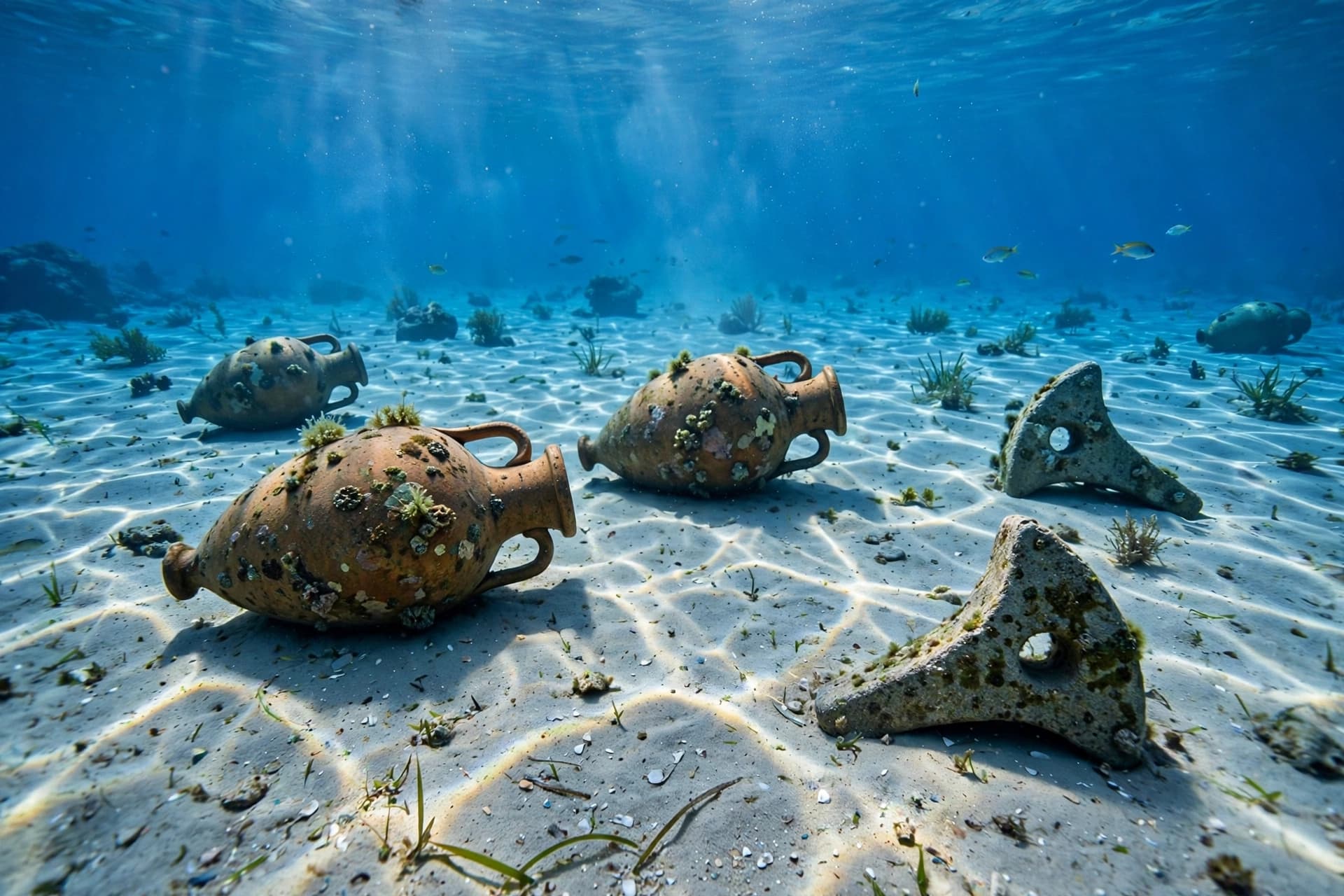
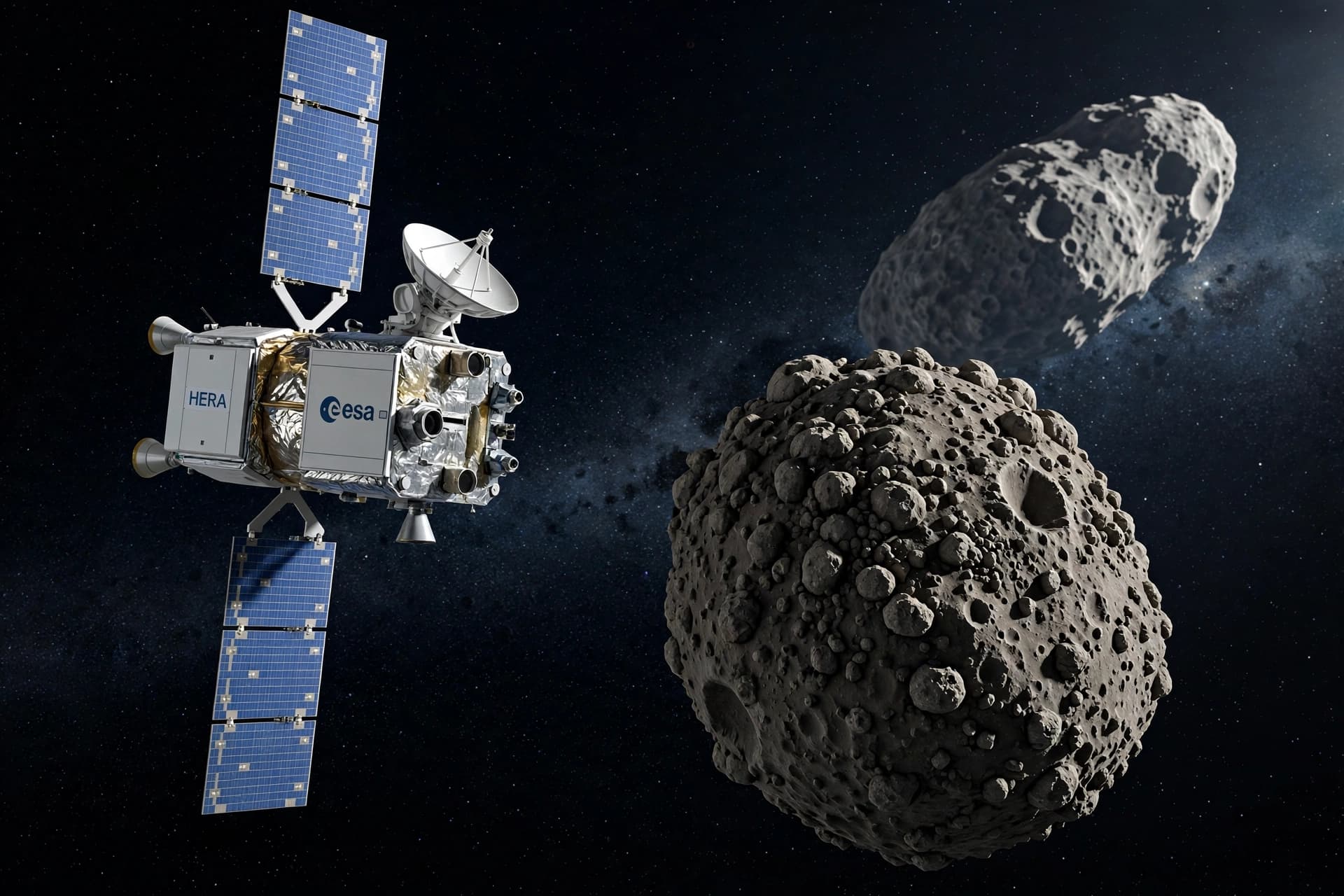
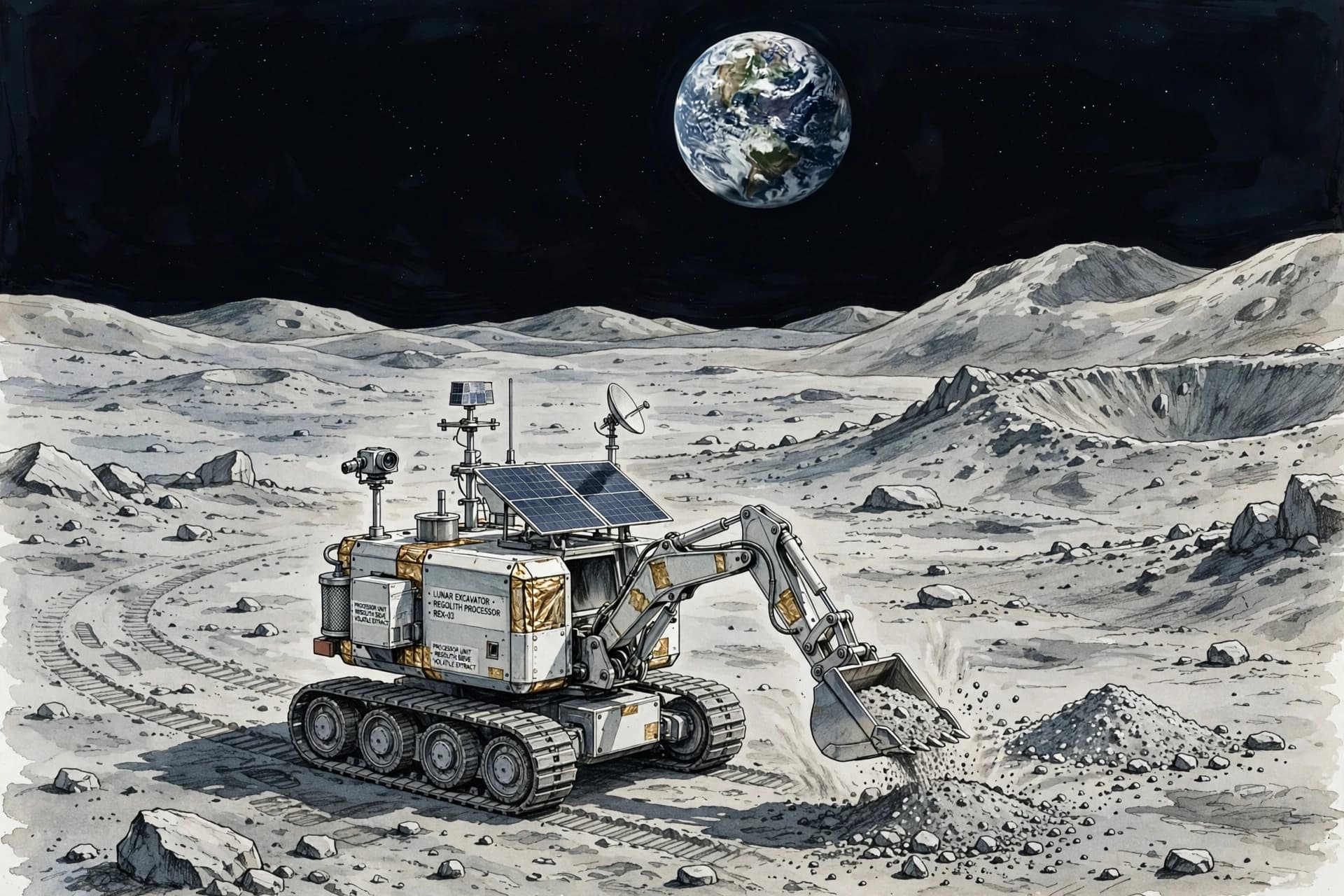
AI Image Disclaimer: All visuals associated with this article are AI-generated for conceptual and editorial purposes.
Source Verification Check: University of Toronto announcements, University of Melbourne research updates, Nature journal collaborations, CBC News Science, ABC Science
Published by Banx Network. This article is part of the Banx decentralized media programme, powered by the BXE token on the XRP Ledger.