In the bustling streets of historic tourist destinations, the interaction between humans and animals often serves as a mirror to our collective empathy. A recent incident, however, revealed a stark contrast between compassion and cruelty, sparking global outrage. A tourist, moved by the apparent thirst of a working horse, offered it water, only to be met with a violent and hateful reaction from the coachman responsible for the animal. This moment, captured on video, has become a poignant symbol of the ethical complexities surrounding animal labor in tourism.
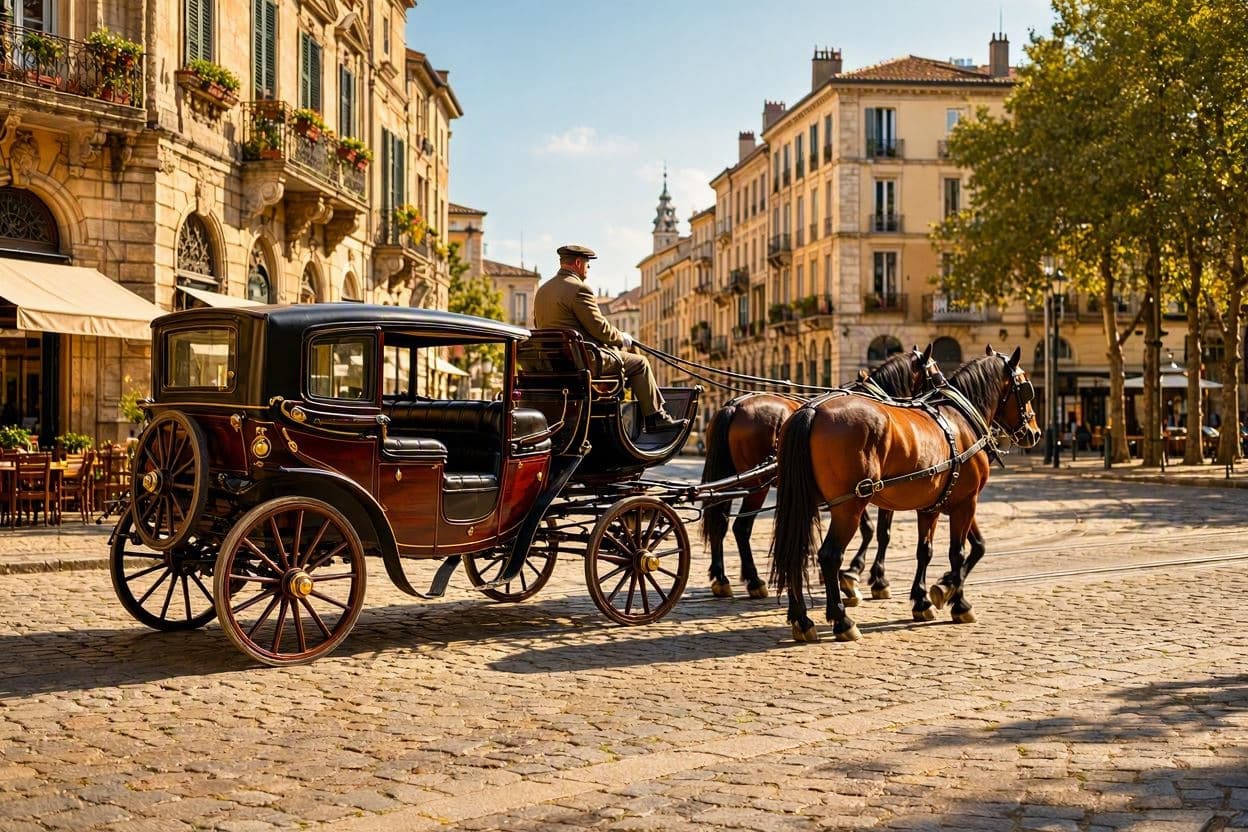
The scene unfolded in a popular European city, where horse-drawn carriages are a cherished tradition for visitors. The tourist, noticing the horse panting in the heat, approached with a bottle of water in a gesture of simple kindness. Instead of gratitude or even indifference, the coachman responded with aggression, shouting and physically intervening to prevent the animal from drinking. The intensity of his rage was disproportionate to the act, suggesting deeper issues of control and disregard for the animal’s welfare.
Videos of the altercation spread rapidly across social media platforms, drawing condemnation from animal rights groups and the general public alike. Viewers were struck not only by the coachman’s behavior but by the visible distress of the horse, which appeared exhausted and dehydrated. The incident raised questions about the regulations governing working animals in urban environments and the enforcement of welfare standards.
Local authorities have since launched an investigation into the matter. While horse-drawn carriages are legal and regulated in many cities, the conditions under which these animals work are often scrutinized. Heat exhaustion, lack of water breaks, and excessive working hours are common concerns raised by advocates. This incident has intensified calls for stricter oversight and potentially a ban on such practices during extreme weather conditions.
The tourist’s action, though small, highlighted a universal moral instinct: the desire to alleviate suffering. When that instinct is met with hostility, it challenges our understanding of civic responsibility. It forces a conversation about who is accountable for the well-being of animals in public spaces—the owners, the regulators, or the society that consumes their labor as entertainment.
Animal welfare organizations have used this event to advocate for broader reforms. They argue that the physical and psychological toll on working horses is often hidden behind the romanticized image of carriage rides. By bringing this hidden reality to light, the incident may serve as a catalyst for change, encouraging cities to reconsider the role of animal labor in modern tourism.
Public sentiment has shifted significantly in recent years, with many destinations moving toward electric or human-powered alternatives. This transition is driven by both ethical considerations and practical concerns about traffic and pollution. The backlash against the coachman reflects this growing consensus that tradition should not come at the expense of compassion.
The angry response to a simple act of kindness underscores the urgent need for greater accountability in animal tourism. As communities grapple with the ethics of working animals, this incident serves as a reminder that empathy must guide our interactions with all living beings, ensuring their dignity and safety are preserved.
AI Image Disclaimer: The visual depictions associated with this story are generated by artificial intelligence for illustrative purposes.
Sources: The Local Europe PETA (People for the Ethical Treatment of Animals) BBC News
Published by Banx Network. This article is part of the Banx decentralized media programme, powered by the BXE token on the XRP Ledger.