
Key Highlights
- French President Emmanuel Macron emphasizes the importance of international law in the EU's debate over frozen Russian assets.
- Proposals for repurposing assets include funding Ukraine's reconstruction and using them as collateral for loans.
- The EU faces a dilemma between supporting Ukraine and adhering to established legal frameworks.
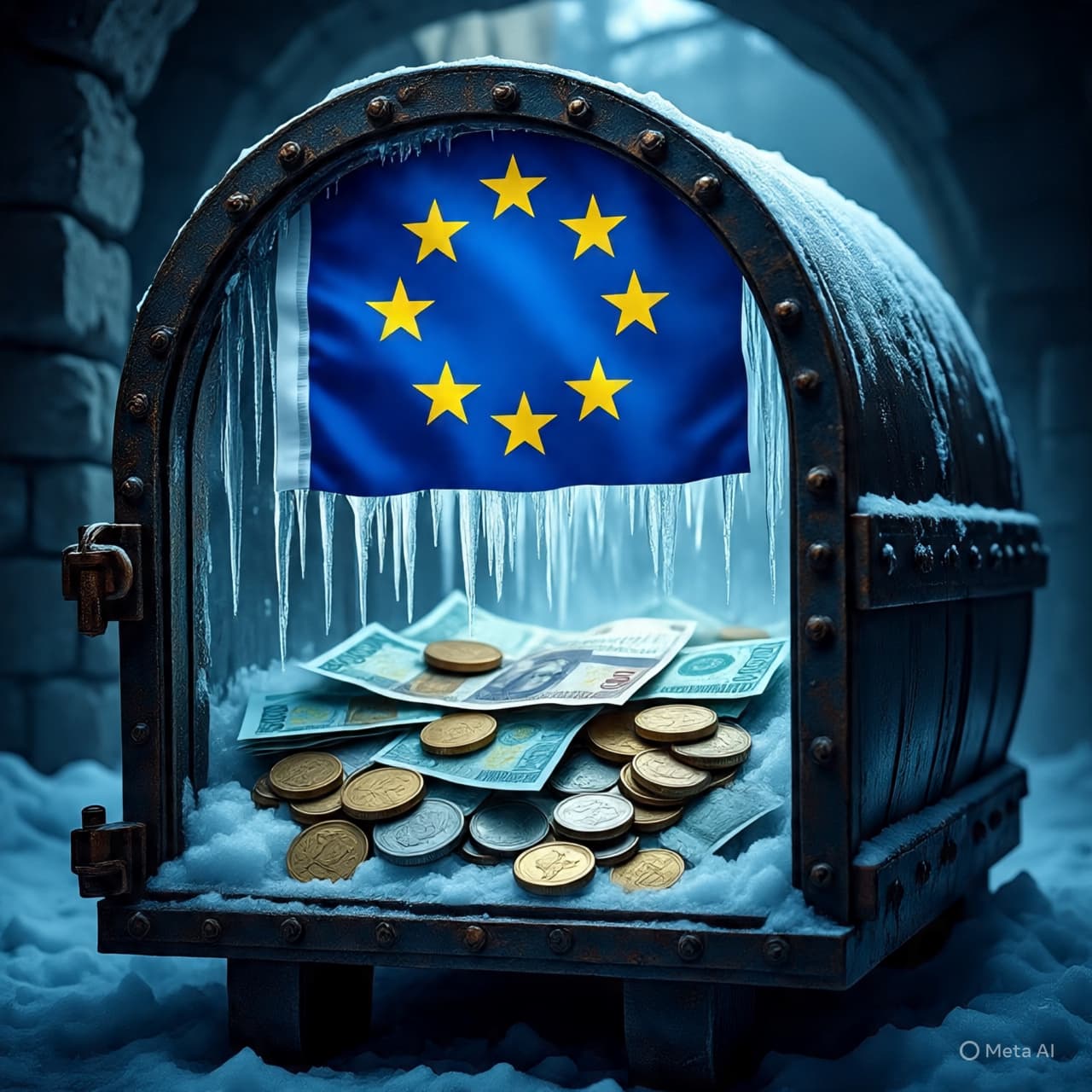
The ongoing debate within the European Union regarding the fate of frozen Russian assets has intensified, particularly following remarks by French President Emmanuel Macron. His assertion that “one must respect international law” encapsulates the EU's precarious position as it navigates the complexities of justice, deterrence, and legality amid the ongoing conflict in Ukraine. The question of what to do with the hundreds of billions in frozen Russian reserves has loomed large since the imposition of sanctions, prompting various proposals that range from redirecting these assets to aid Ukraine's reconstruction to utilizing them as collateral for loans.
However, each proposed solution raises significant legal and ethical concerns. The core issue revolves around the potential precedent set by repurposing these assets. If the EU were to bend its rules in this instance, it could open the floodgates for other nations to invoke “exceptional circumstances” in the future, thereby undermining the established legal frameworks that govern international relations. Macron's emphasis on legal fidelity is reflective of France's historical caution, shaped by a legacy of territorial disputes and financial crises that have tested the limits of international law.
In the face of mounting pressure from Kyiv's allies, who argue that merely freezing these assets allows wealth to sit idle while destruction continues in Ukraine, the EU finds itself at a crossroads. The moral imperative to support Ukraine clashes with the rigid machinery of international law, creating a complex dilemma for European leaders. The EU must consider not only the optics of justice but also the long-term implications for its financial system. If sovereign reserves lose their sanctity, it raises the question of whether other nations will hesitate to invest or park their funds in Europe in the future.
Macron's statements serve as a poignant reminder that while war may challenge institutions, the rule of law must endure beyond the conflict. For Europe, the frozen billions represent more than just a financial figure; they symbolize the broader struggle to uphold principles of justice and legality in a time of crisis. As the EU grapples with these pressing issues, the outcome of this debate will likely have lasting implications for its legal and political landscape.
The stakes are high, and the decisions made in Brussels will resonate far beyond the immediate context of the Ukraine conflict. The EU's approach to the frozen Russian assets will not only reflect its commitment to supporting Ukraine but also its dedication to maintaining a rules-based international order that has been a cornerstone of European unity and stability.
Published by Banx Network. This article is part of the Banx decentralized media programme, powered by the BXE token on the XRP Ledger.



