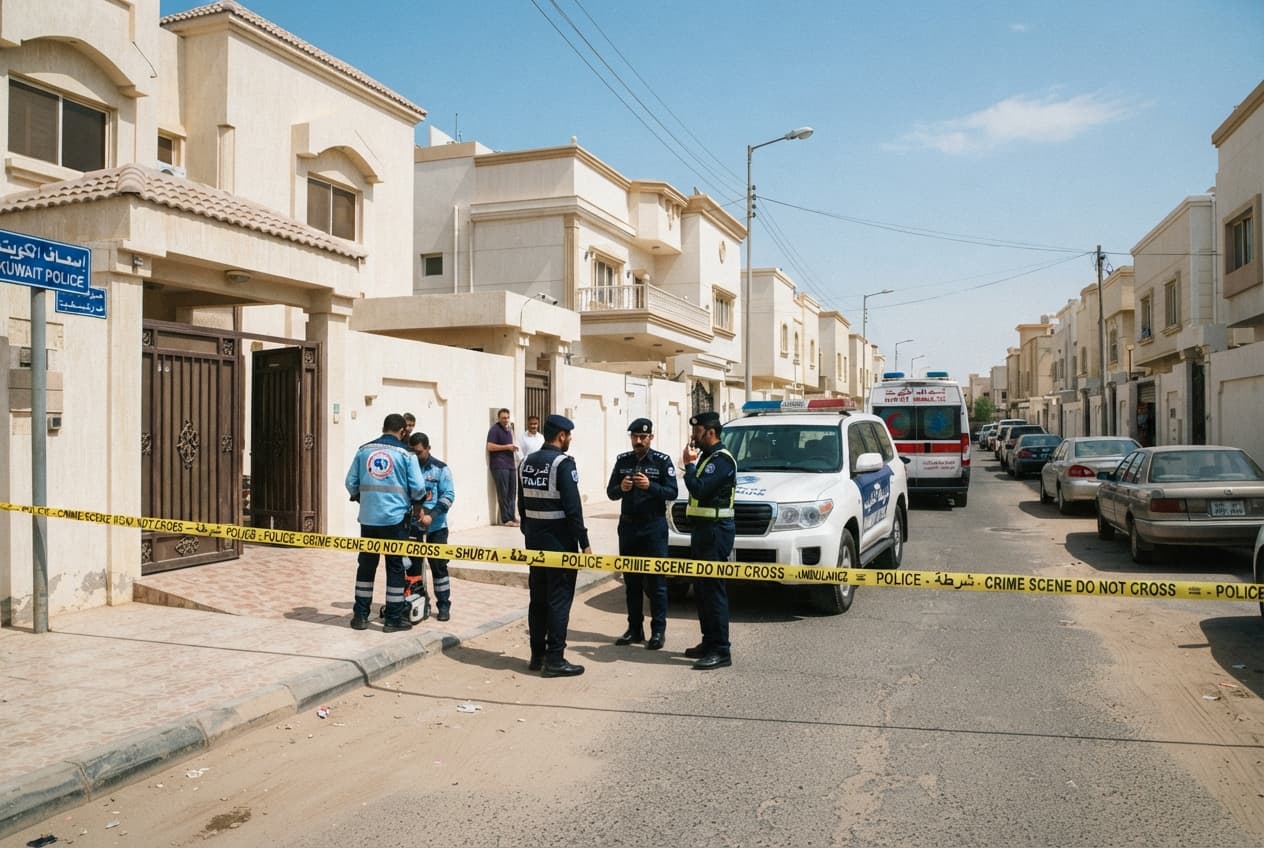
The city often breathes in a rhythm dictated by the quiet passage of time, yet sometimes the air stills when a singular life is extinguished in circumstances that invite more questions than answers. It is a moment that demands a pause, a reflective look at the boundaries between those who hold authority and those who live under the shadow of its reach. When the thread of a life snaps, the immediate aftermath is rarely just about the event itself, but about the ripples that touch the conscience of the community.
In the legal corridors where these stories find their formal conclusion, words are chosen with the precision of a jeweler, yet they struggle to capture the weight of the human reality beneath them. A solicitor, speaking for those left to mourn, has pointed toward the application of force as the central pivot of this tragedy. The claim suggests a disproportionate use of violence, a phrase that carries a heavy, lingering resonance in the quiet contemplation of what went wrong. It is not an assertion born of haste, but one drawn from the slow, methodical examination of evidence that remains long after the shouting has faded.
The narrative of this event is woven into the fabric of urban living, where paths cross in the blink of an eye and outcomes are determined by split-second decisions. There is a melancholy inherent in the pursuit of truth within these spaces, as the focus shifts from the vitality of a person to the cold, sterile mechanics of how that vitality was suppressed. The challenge, perhaps, is to maintain a sense of proportion in our own understanding, acknowledging that every act of force leaves a permanent mark upon the social landscape.
Reflective observation suggests that such incidents act as mirrors, showing us the uncomfortable realities of how power is exerted when tensions flare. The process of litigation becomes a slow, unfolding meditation on responsibility, where the goal is less about vengeance and more about understanding the lines that should never have been crossed. As the legal proceedings move forward, the focus remains fixed on the delicate balance between maintaining order and preserving the sanctity of individual existence.
There is a natural desire to find closure, to place this event into the history of the city with a sense of finality that brings peace to the grieving. Yet, the human element—the sheer reality of loss—often defies the neatness of legal definitions. The discussion surrounding the incident serves as a reminder that the institutions we build to protect us are managed by human hands, and those hands are prone to the same faltering judgments that plague us all.
In the quiet rooms of the judiciary, the focus has settled on the specific actions taken during that critical window of time. The arguments presented by legal counsel serve to articulate the grief and the disbelief that have followed this loss, highlighting the need for a rigorous examination of the protocols that govern the exercise of power. It is a somber dialogue, one that echoes the necessity of accountability in an era where the optics of authority are constantly scrutinized.
As the days turn into months, the memory of this event persists as a cautionary tale of how quickly life can be transformed into a legal inquiry. The search for clarity continues, guided by the hope that in examining the past, we might better understand the precariousness of the present. It is a journey marked by the persistence of those seeking answers, ensuring that the voice of the departed is not entirely lost in the bureaucracy of the aftermath.
Ultimately, the case proceeds through the standard judicial channels in Ireland, where the state investigates the actions taken by officials during the fatal encounter. The legal process is now focused on evaluating the claims of excessive force, with the court tasked to weigh the evidence against established procedural standards. This ongoing inquiry remains a formal matter of record, seeking to determine the factual sequence of events and whether the conduct met the threshold of lawful intervention.
Published by Banx Network. This article is part of the Banx decentralized media programme, powered by the BXE token on the XRP Ledger.