
Key Highlights
- Judicial Influence:Recent court rulings are reshaping U.S. election laws.
- Key Issues:Decisions address ballot access, district boundaries, and procedures.
- Public Engagement:Increased awareness of judicial processes impacts democracy.
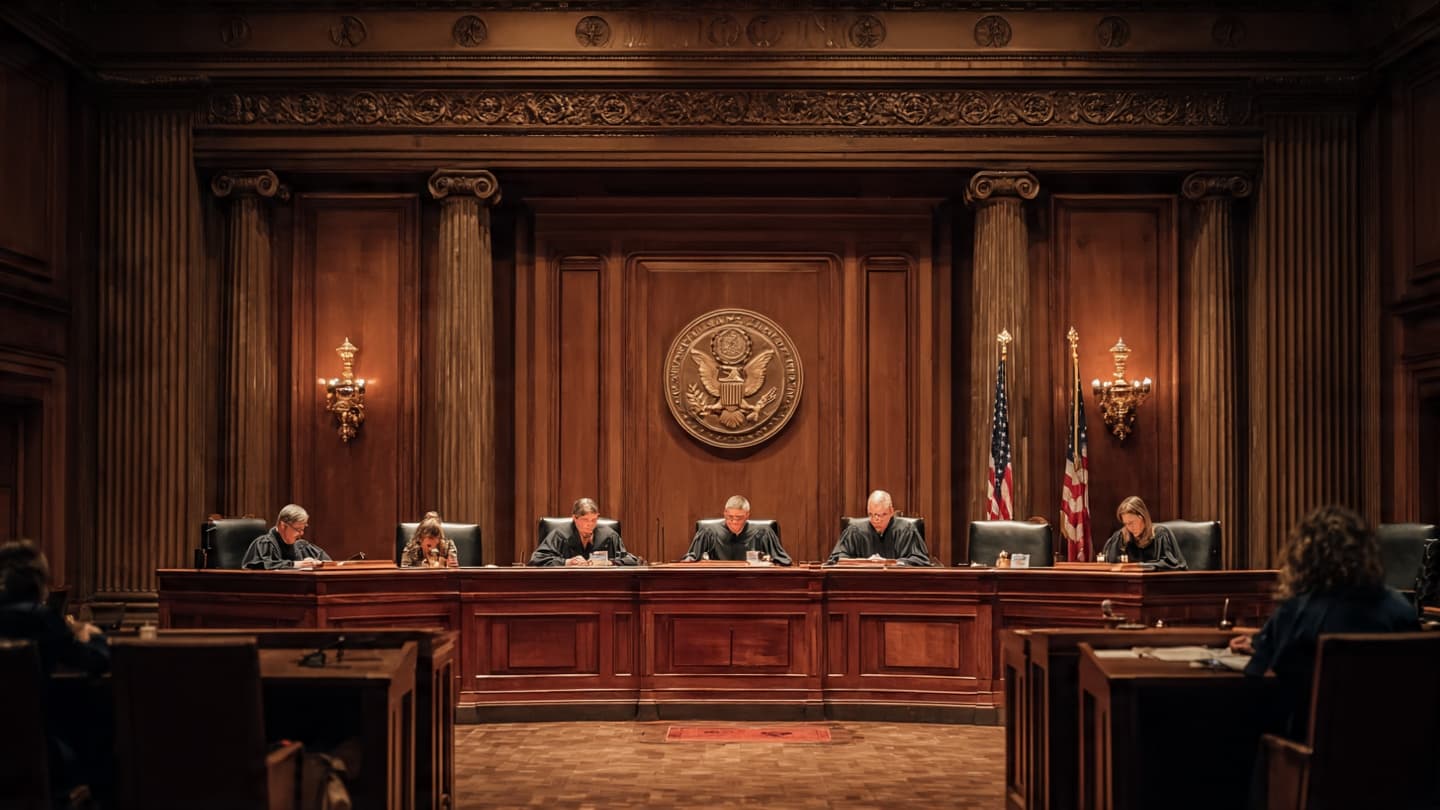
In the United States, the electoral process is governed by a multifaceted legal framework rather than a single authority. This complexity arises from the interplay of federal and state laws, with courts playing a pivotal role in resolving disputes that emerge from this intricate system. Recent judicial decisions across various states underscore the significant influence that courts have on the rules and regulations governing voting systems.
Recent cases have highlighted critical issues such as ballot access, district boundaries, and administrative procedures. For instance, rulings in states like Georgia and Wisconsin have addressed challenges to voter ID laws and gerrymandering practices, respectively. These decisions not only resolve immediate disputes but also set precedents that can affect future legislation and policy-making.
Legal experts assert that election law is one of the most dynamic areas of judicial review. It intersects with constitutional principles, state authority, and administrative regulations, making it both complex and impactful. The evolving nature of these laws reflects broader societal changes and the ongoing debates surrounding voting rights and electoral integrity.
Public awareness of the judicial processes influencing elections has surged in recent years. Increased media coverage and civic engagement have brought greater attention to how legal systems affect democratic participation. Citizens are now more informed about their rights and the mechanisms available to challenge electoral decisions, fostering a more engaged electorate.
Despite the ongoing disputes and challenges, election systems across the country continue to function, supported by institutional mechanisms designed to ensure continuity and order. Courts play a crucial role in maintaining this stability, interpreting and refining election laws to adapt to changing circumstances and societal needs.
As courts continue to navigate the complexities of election law, their influence remains central in shaping the structure and operation of democratic processes in the United States. The outcomes of these judicial decisions will undoubtedly have lasting implications for future elections and the overall health of American democracy.
Published by Banx Network. This article is part of the Banx decentralized media programme, powered by the BXE token on the XRP Ledger.



