
Key Highlights
- China condemned the UK for expanding its visa scheme for Hong Kong residents.
- The UK’s move follows the conviction of pro-democracy publisher Jimmy Lai.
- The dispute reflects broader tensions over Hong Kong’s political future and autonomy.
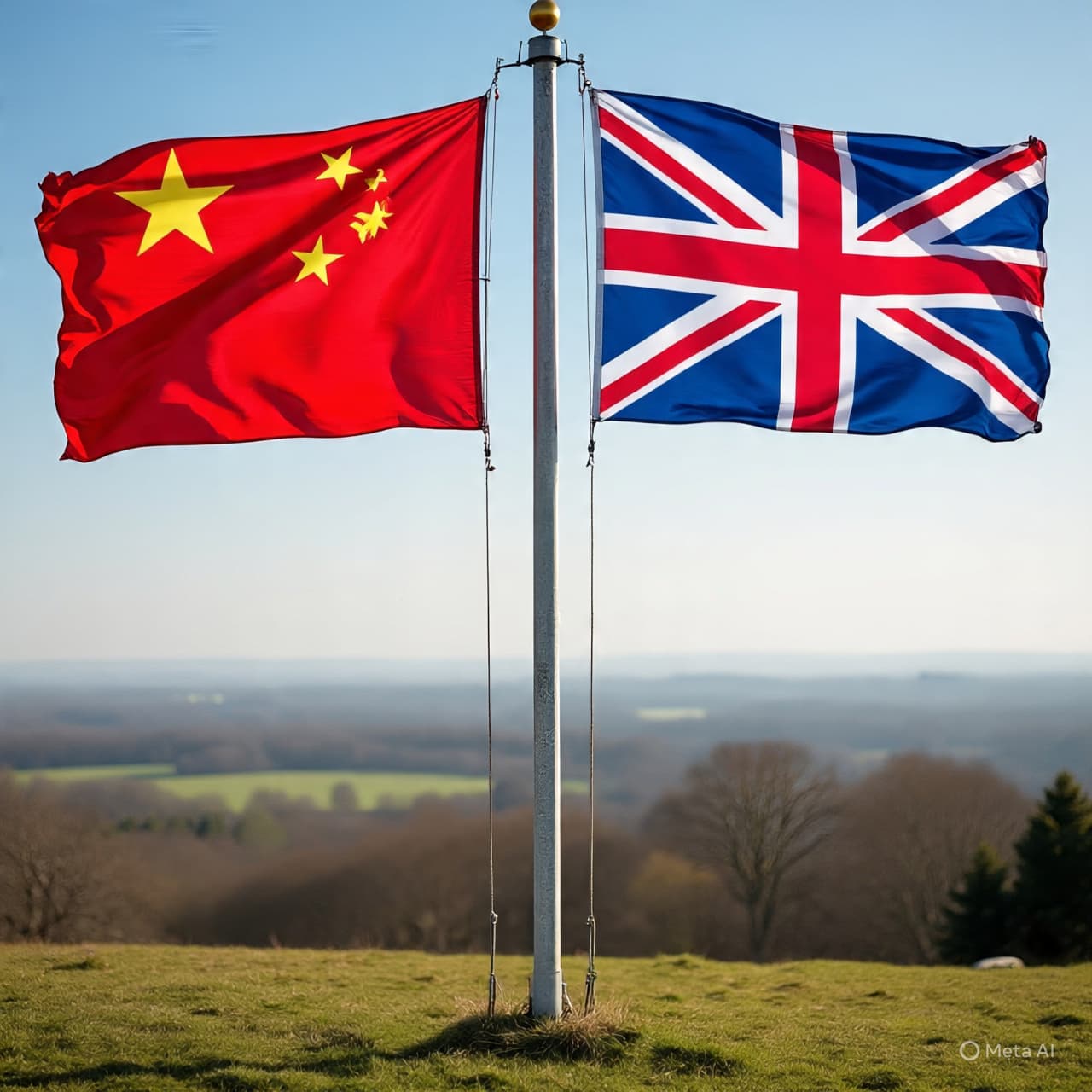
China's diplomatic language is often measured and cautious, but this week, it took a sharp turn. Following the United Kingdom's announcement to expand its visa scheme for Hong Kong residents, Beijing issued a strong condemnation, labeling the UK's actions as 'despicable and reprehensible.' This response came in the wake of the conviction of Jimmy Lai, a prominent pro-democracy publisher, under Hong Kong's national security law, a piece of legislation imposed by Beijing after the 2019 protests.
The case of Jimmy Lai has become emblematic of the ongoing struggle over Hong Kong's political future. Lai, the founder of the now-defunct Apple Daily newspaper, was convicted for charges related to the national security law, which many view as a tool for suppressing dissent. To the Chinese government, this case signifies the enforcement of law and order, while to the UK and other Western nations, it represents a troubling erosion of freedoms in a city that was promised a high degree of autonomy under the 'one country, two systems' framework established during the 1997 handover.
In response to Lai's conviction, the British government announced plans to broaden eligibility for its existing visa pathway for Hong Kong residents, allowing more individuals to settle in the UK. British officials framed this decision as a moral obligation, rooted in historical commitments made prior to the handover. This move is seen as an attempt to provide refuge for those fleeing the tightening grip of Beijing on Hong Kong's civil liberties.
However, Beijing has categorically rejected the UK's justification, asserting that the visa expansion violates international law and the principle of non-interference in China's internal affairs. Chinese officials argue that the UK is undermining Hong Kong's stability by harboring individuals they label as lawbreakers. This exchange of accusations underscores the growing frustration in Beijing regarding what it perceives as Western nations exploiting immigration policies as a political weapon.
The ongoing dispute further complicates the already strained relations between China and the UK, which have been characterized by disagreements over various issues, including human rights and security concerns. While the visa scheme may not directly impact China's economy or governance, it carries significant symbolic weight, indicating that London continues to view Hong Kong through the lens of international responsibility rather than as a matter of closed sovereignty.
For residents of Hong Kong observing this diplomatic spat, the implications are profound. Visa policies transform geopolitical debates into personal dilemmas: whether to remain in Hong Kong, seek refuge abroad, or navigate the uncertainty of an evolving political landscape. As tensions escalate, the conviction of Jimmy Lai transcends a mere legal judgment, becoming a focal point in a broader diplomatic conflict where law, migration, and power converge, and where the prospect of compromise seems increasingly elusive.
Published by Banx Network. This article is part of the Banx decentralized media programme, powered by the BXE token on the XRP Ledger.



