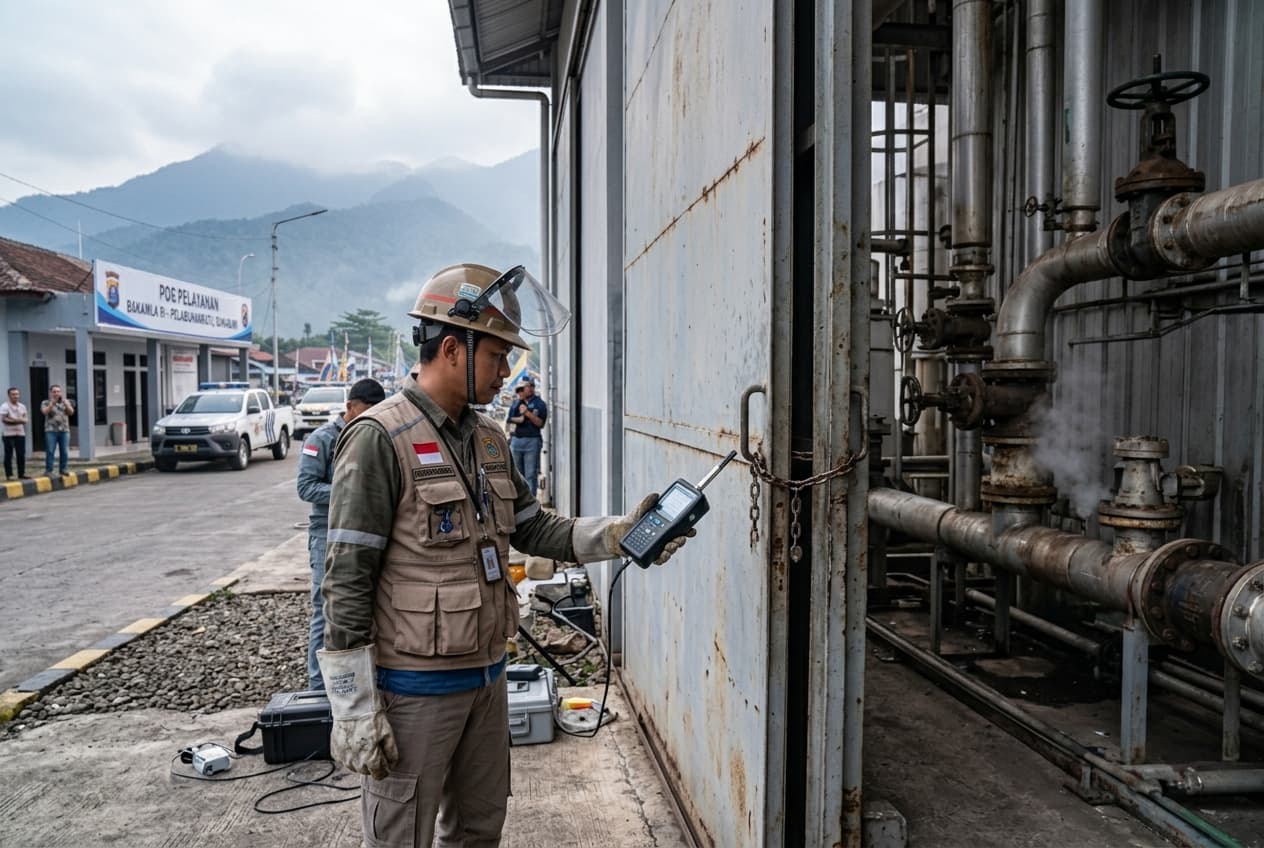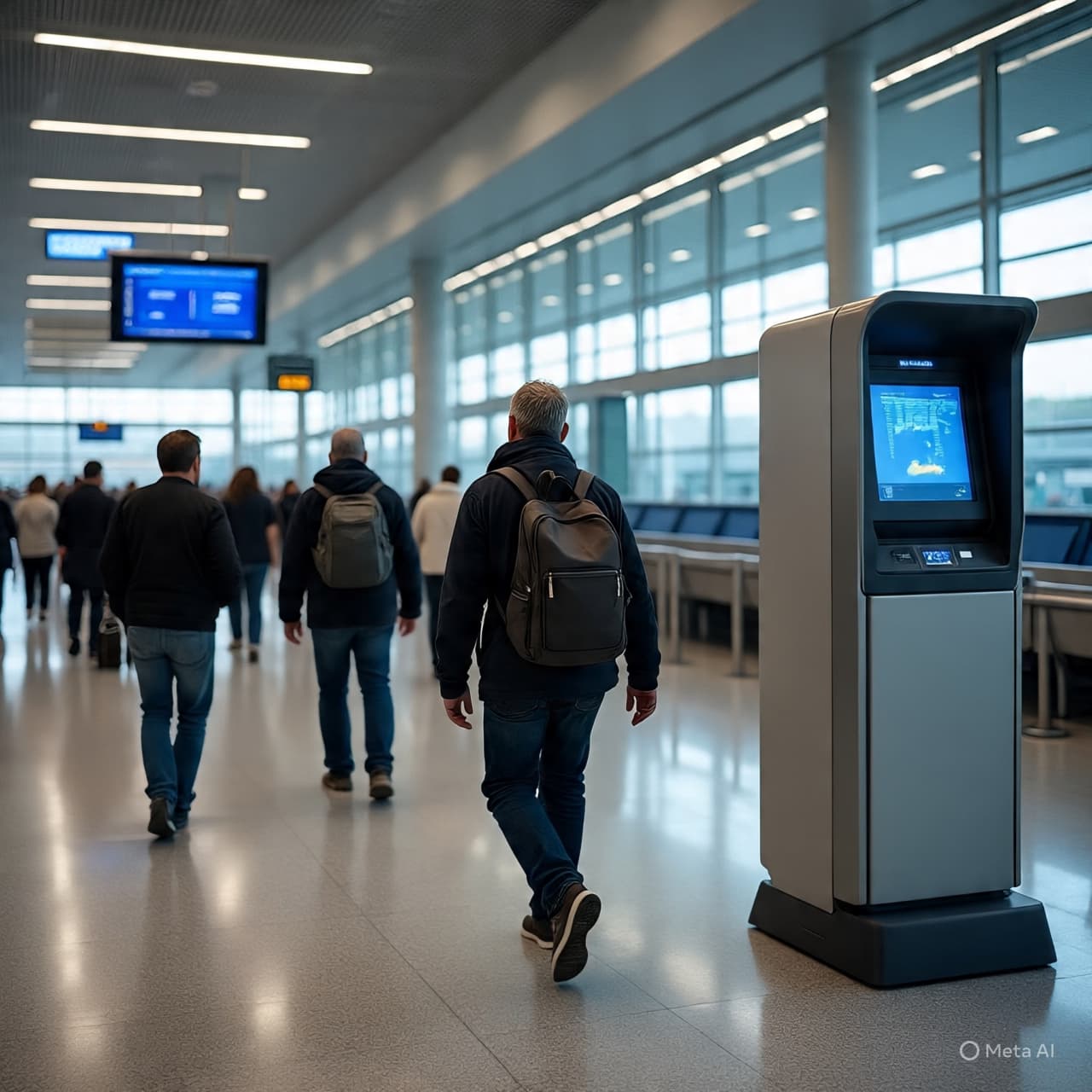
Airports are places of passage, where departures and arrivals blur into a steady rhythm of motion. Yet sometimes, that rhythm pauses—just briefly—so that vigilance can catch up with velocity. Following confirmed Nipah virus cases in , several Asian airports have resumed health screenings, a precaution that reflects both caution and continuity in a post-pandemic world.
The screenings, reinstated in select hubs across South and Southeast Asia, are designed to identify travelers who may show symptoms consistent with Nipah infection. Thermal scanners, health declaration forms, and visible public health advisories have returned to terminals where international passengers converge. Officials have emphasized that these measures are targeted and temporary, intended to reinforce early detection rather than signal widespread alarm.
Nipah virus, a zoonotic pathogen transmitted from animals to humans and, in some instances, between people through close contact, has historically appeared in localized clusters. Outbreaks in parts of India and Bangladesh have been contained through swift isolation, contact tracing, and community advisories. The has assessed the overall international spread risk as low, but regional authorities are acting out of precaution.
Airport screenings are not new tools; they are reminders of lessons learned. During past health crises, transport hubs became focal points for monitoring and communication. This time, officials appear intent on balancing openness with preparedness. Travelers arriving from affected regions may be subject to temperature checks and brief health interviews, while airlines have been advised to report passengers displaying symptoms during flights.
Public health agencies across Asia have reiterated that there are no broad travel bans in place. Instead, the emphasis rests on awareness and prompt medical consultation for those who develop fever, respiratory symptoms, or neurological signs after travel. Hospitals in several cities have refreshed infection control protocols, ensuring readiness should suspected cases arise.
Experts note that Nipah’s transmission dynamics differ from highly airborne viruses. Spread typically requires close and sustained contact, which allows for more contained responses. Nonetheless, airports—given their density and diversity of passengers—are logical checkpoints in early response strategies.
For travelers, the visible presence of health officers and screening equipment may evoke memories of recent global outbreaks. Yet officials have sought to reassure the public that these steps are preventive. Aviation authorities continue to coordinate with health ministries to review data and adjust measures accordingly.
Regional cooperation has also been evident. Information sharing between governments has accelerated, and surveillance systems are on alert for any indication of cross-border transmission. Thus far, no significant clusters have been reported outside the initially affected areas.
As flights continue to arrive and depart, the screenings function as a quiet layer of oversight. Authorities have indicated that measures will remain under review and may be scaled back if risk assessments remain stable. Updates are expected as health agencies monitor developments in India and neighboring countries.
For now, Asia’s airports hum on—tempered by caution, guided by preparedness, and attentive to the delicate balance between movement and safety.
AI Image Disclaimer: Illustrations were produced with AI and serve as conceptual depictions.
Sources: Reuters Associated Press BBC News Al Jazeera The Straits Times
Published by Banx Network. This article is part of the Banx decentralized media programme, powered by the BXE token on the XRP Ledger.

.jpg&w=3840&q=75 "Qantas Grounds Plane After Passengers Report Bedbug Bites")