The fields look different after sunset. Without the harsh brightness of midday, the rows of crops become quieter, the air gradually cools and farm work takes on another rhythm. Across Japan, some farmers are moving increasingly important tasks into those darker hours as summer temperatures become harder to endure.
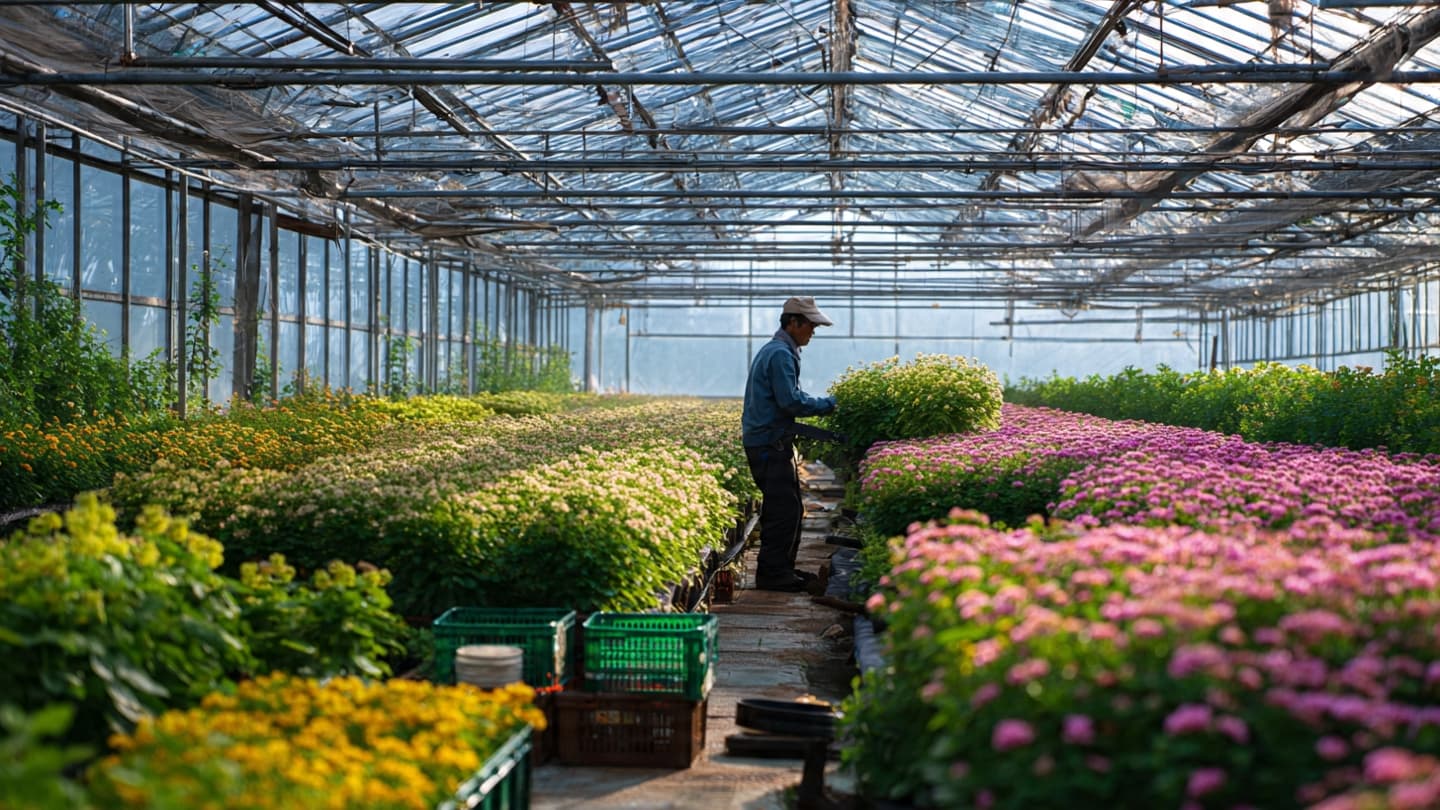
The shift is not simply a matter of preference. Farmers are adapting their schedules because daytime heat can make outdoor work dangerous, particularly during periods of intense summer temperatures. In some greenhouses, temperatures can climb above 40 degrees Celsius, creating difficult conditions for both workers and crops.
Flower farmer Motoaki Iijima, north of Tokyo, began harvesting at night after a worker suffered heatstroke in his greenhouse. His experience reflects a broader adjustment taking place across Japanese agriculture, where traditional working hours are being reconsidered in response to increasingly severe heat.
The change can be seen in the poultry sector as well. Farmer Tetsuya Usuba has adjusted the daily rhythm of his chickens, waking them at around 2:30 a.m. so they can eat before temperatures rise. Even with those changes, sudden heat spikes can still affect livestock.
Japan's agricultural workforce faces another layer of vulnerability because of its age. Around 70% of the country's farmers are 65 or older, making prolonged exposure to extreme temperatures an especially important workplace concern. In 2024, 59 agricultural workers died from heat-related causes, according to Reuters.
The consequences extend beyond individual farms. Heat affects the timing of planting, harvesting and animal care, while crops can become stressed when temperatures rise rapidly. Farmers are therefore balancing two clocks at once: the biological rhythm of plants and animals, and the changing rhythm of the weather.
The government has also introduced workplace safety regulations addressing heat exposure and has promoted smart-farming technologies as part of the response. Sensors, environmental monitoring and automated systems can help farmers understand conditions and make decisions about when work should be performed.
Yet technology cannot remove every difficulty. A farm still depends on human hands, seasonal timing and physical presence. Moving work into the night may reduce exposure to the hottest hours, but it can also create longer days, different transportation needs and additional demands on workers.
Japan's experience illustrates how climate adaptation can appear in ordinary routines rather than dramatic infrastructure. A farmer waking before dawn, a greenhouse being worked after sunset or livestock being fed in the early morning are small changes, but together they reveal a landscape adjusting its daily clock.
For now, Japanese agriculture continues to find practical ways around increasingly difficult summer conditions. Beneath the moon and before the sun becomes too strong, farmers are reshaping familiar routines in an effort to keep people, crops and animals moving through another season of heat.
AI Image Disclaimer These visuals were created with AI as conceptual representations of Japanese agricultural life during extreme summer heat and are not real photographs.
Sources Reuters Japan Meteorological Agency Ministry of Agriculture, Forestry and Fisheries of Japan Ministry of Health, Labour and Welfare Japan Japan Times
Published by Banx Network. This article is part of the Banx decentralized media programme, powered by the BXE token on the XRP Ledger.