There are mornings when an industrial district seems to carry its own weather. Trucks arrive earlier, factory lights remain bright and machines begin their cycles with a little more urgency. Across Japan, that rhythm strengthened in August as manufacturing activity gathered its fastest pace of expansion in years.
The S&P Global Flash Japan Manufacturing Purchasing Managers' Index rose to 55.1 in August from 54.5 in July. The reading marked the strongest increase in new orders since January 2018, offering a clear indication that demand was moving more strongly through the country's manufacturing sector.
Much of the movement was connected to technology. Semiconductor and artificial-intelligence industries have become important sources of demand for manufacturers producing the components, equipment and machinery that support the digital economy. The rise in orders therefore reaches beyond traditional factory production.
New orders matter because they often arrive before changes become visible elsewhere. A fuller production schedule can mean more purchases from suppliers, additional transportation activity and greater utilization of industrial equipment. In this sense, a factory order can travel through an economy long after the original request has been recorded.
Japan's manufacturing sector has also been increasing its purchases of inputs, while supplier delivery times have lengthened. That combination suggests that stronger demand is beginning to move through multiple layers of the industrial supply chain. Manufacturers are responding not only by producing more, but also by preparing for continued activity.
Employment provided another sign of movement. Manufacturers led private-sector job growth during the month, adding another dimension to the expansion. When factories require more workers, the change can gradually reach surrounding communities through transportation, services and other forms of local economic activity.
The improvement comes despite a softer period for Japan's broader economy. Gross domestic product growth slowed in the second quarter, making the strength of manufacturing particularly notable. Investors and businesses have therefore been watching whether industrial demand can continue to provide support.
Services also improved during August, with the services PMI rising to 52.3 and the composite output index reaching 53.4, its highest level since February. The figures suggest that the movement is not confined entirely to factory floors, although manufacturing remained the stronger part of the expansion.
Cost pressures have not disappeared. Input-price inflation eased to a five-month low, but selling prices for goods and services remained elevated. Companies therefore continue to navigate the space between stronger demand and the costs associated with producing and delivering what customers require.
For now, Japan's industrial landscape is moving with greater confidence. Stronger orders, particularly from semiconductor and AI-related industries, have given factories a firmer rhythm in August, while the coming months will show whether that momentum can continue across the wider economy.
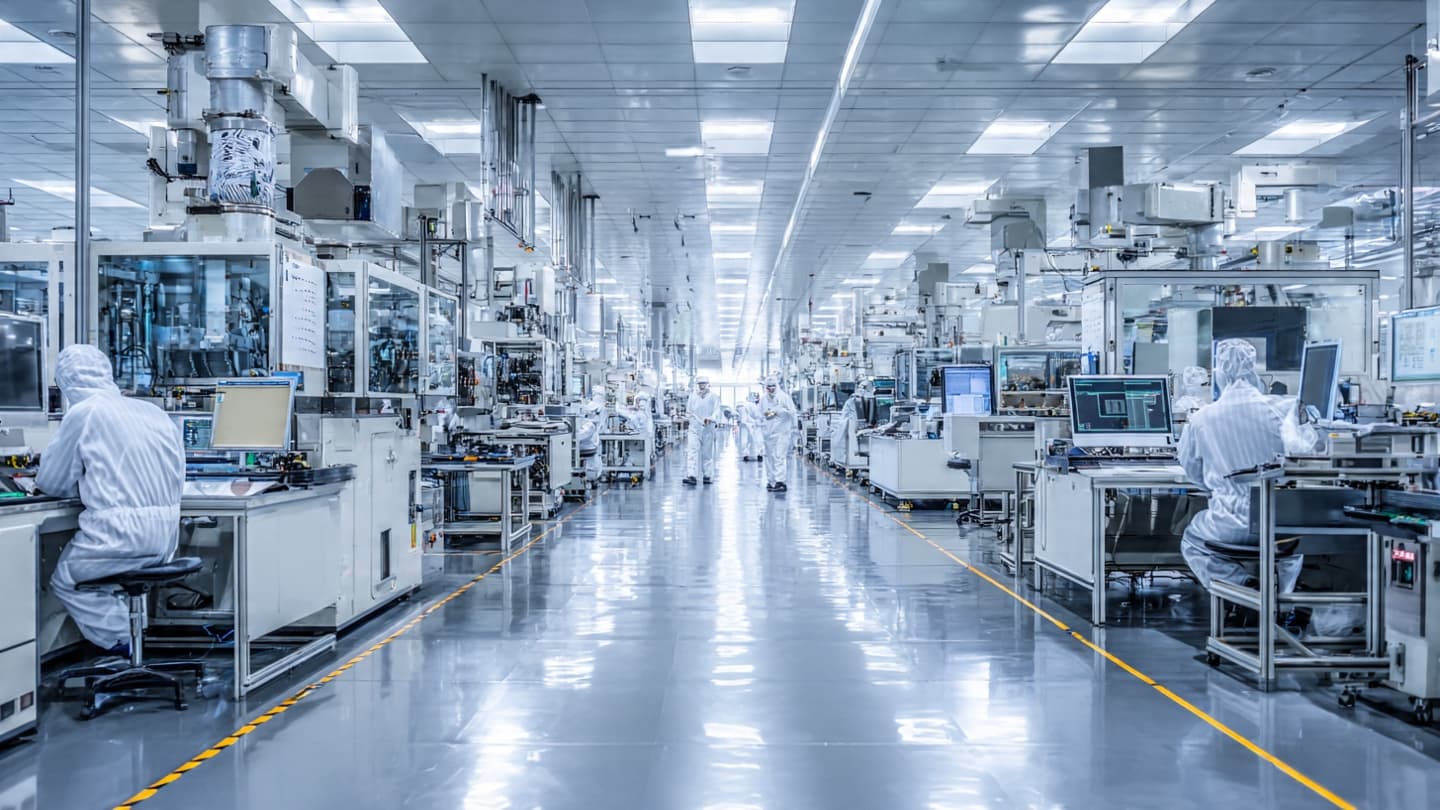
AI Image Disclaimer The accompanying visuals are AI-generated conceptual representations and do not depict actual Japanese factories or current industrial events.
Sources Reuters S&P Global Bank of Japan Ministry of Economy, Trade and Industry Japan Nikkei Asia
Published by Banx Network. This article is part of the Banx decentralized media programme, powered by the BXE token on the XRP Ledger.