
Key Highlights
- Date of Incident:September 3, 2025, when the Gloria funicular derailed.
- Casualties:The tragic event resulted in the loss of 15 lives.
- Investigation:Ongoing inquiries into maintenance and safety protocols.
On September 3, 2025, the city of Lisbon was rocked by a tragic incident involving the Gloria funicular, a beloved mode of transport that connects the vibrant Bairro Alto district with Restauradores Square. This historic funicular, which has been a staple of the city's landscape for over a century, suddenly derailed, leading to a catastrophic failure that claimed the lives of 15 individuals. The incident has sent shockwaves through the community, raising urgent questions about the safety of public transport systems in urban environments.
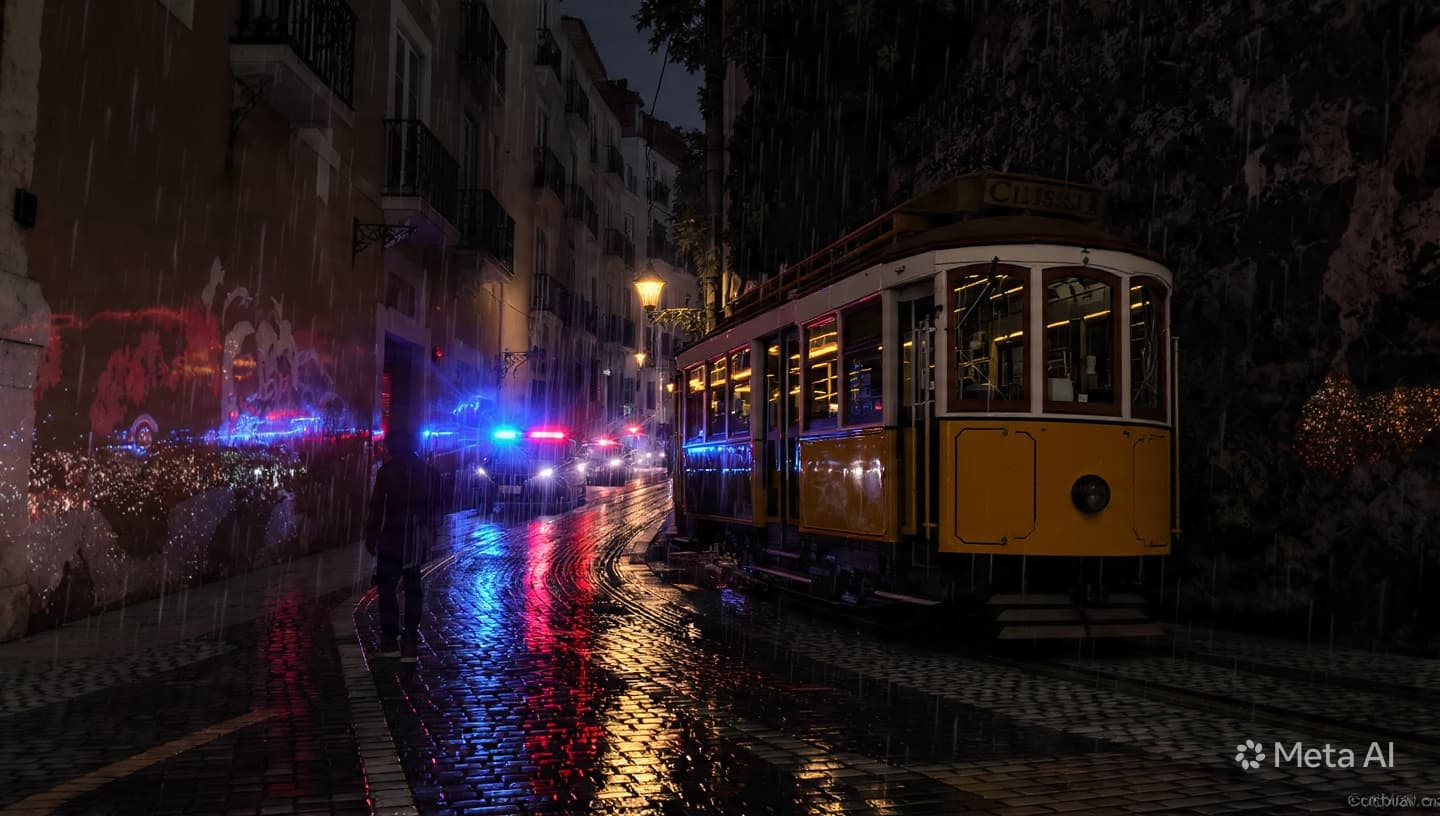
The Gloria funicular, known for its picturesque views and historical significance, was carrying passengers when it unexpectedly lost control. Eyewitnesses reported hearing a loud, mechanical noise before the funicular plummeted down the steep incline, crashing violently at the bottom. The scene was one of chaos and despair, as emergency responders rushed to the site to assist those trapped inside the wreckage. The aftermath left the narrow Rua da Glória lined with emergency vehicles and a heavy atmosphere of grief.
In the wake of the disaster, the city has been plunged into mourning. The victims, many of whom were tourists, represent a diverse cross-section of the global community, highlighting the universal vulnerability of travelers who rely on public transport. Local churches and community centers have become gathering places for those wishing to pay their respects, as the city grapples with the loss of life and the impact on families and friends left behind.
Authorities have initiated an investigation into the maintenance practices of the funicular system, which has long been regarded as a reliable mode of transport. Questions have arisen regarding the integrity of the cables and mechanical components that failed during the incident. Transport officials are under pressure to provide answers and ensure that such a tragedy does not occur again. The investigation aims to uncover whether negligence or systemic issues contributed to the derailment, with a focus on the protocols in place for regular inspections and maintenance.
As the investigation unfolds, the city is also reflecting on the broader implications of this tragedy. The Gloria funicular is not just a means of transport; it is a symbol of Lisbon's rich history and cultural identity. The loss of life has prompted discussions about the need for enhanced safety measures across all forms of public transport in the city. Local leaders are calling for a comprehensive review of safety protocols to restore public confidence in the transport system.
Looking ahead, the future of the Gloria funicular remains uncertain. While the city mourns, there is a collective hope that lessons learned from this tragedy will lead to improvements in safety and infrastructure. The iconic yellow cars, which have long been a part of Lisbon's charm, may one day return to their routes, but they will do so under the watchful eye of a community that has been forever changed by this event. The memory of those lost will serve as a reminder of the importance of vigilance in maintaining the systems that keep urban life moving.
As Lisbon continues to heal, the tragedy of the Gloria funicular will not be forgotten. It stands as a poignant reminder of the fragility of life and the responsibilities that come with operating public transport systems. The city moves forward, but with a renewed commitment to safety and remembrance, ensuring that the lessons learned from this dark chapter will guide future actions.
Published by Banx Network. This article is part of the Banx decentralized media programme, powered by the BXE token on the XRP Ledger.



