The railway lines that crisscross the interior of Sweden are symbols of a quiet, efficient connectivity, carving smooth paths through dense pine forests and open fields. Along these steel corridors, high-speed trains move with a rhythmic predictability, carrying commuters and travelers between distant urban centers with minimal disruption. The journey is typically defined by its seamlessness, a steady blur of green and gray outside the window while passengers read, sleep, or gaze idly into the distance. Yet, this carefully engineered harmony was abruptly shattered on a recent morning when the mechanical momentum of progress collided with the stationary reality of track maintenance.
The impact occurred in the heart of the country, a region where the landscape is defined by its industrial heritage and quiet rural towns. A high-speed passenger train, operating on its scheduled route, struck a heavy construction vehicle that was positioned on the tracks for routine infrastructure upgrades. The physical forces involved in such a confrontation are immense, transforming massive structures of steel and glass into distorted remnants of an unforeseen kinetic crisis. In an instant, the routine sounds of a morning transit were replaced by the harsh screech of braking iron and the heavy thud of structural failure.
Two workers, individuals tasked with the vital but often invisible labor of maintaining the nation’s transport veins, lost their lives in the collision. They were part of a dedicated cohort that works in close proximity to danger, relying on strict protocols and precise timing to ensure the safety of thousands of daily passengers. Their presence on the tracks was an act of service to the infrastructure itself, a quiet commitment to keeping the country moving forward. The sudden termination of their lives highlights the inherent vulnerabilities that persist at the intersection of human labor and high-velocity transit systems.
Inside the carriages, the experience was one of sudden disorientation, a violent deceleration that pitched passengers forward and sent personal belongings scattering across the aisles. The initial confusion quickly gave way to a tense, expectant silence as the train came to a final, awkward halt amidst the rural landscape. Looking out the windows, passengers were confronted not with their intended destinations, but with a scene of industrial emergency, where smoke and debris marked the site of a profound human tragedy. The sense of isolation was immediate, as the modern world slowed to a standstill in a remote section of the track.
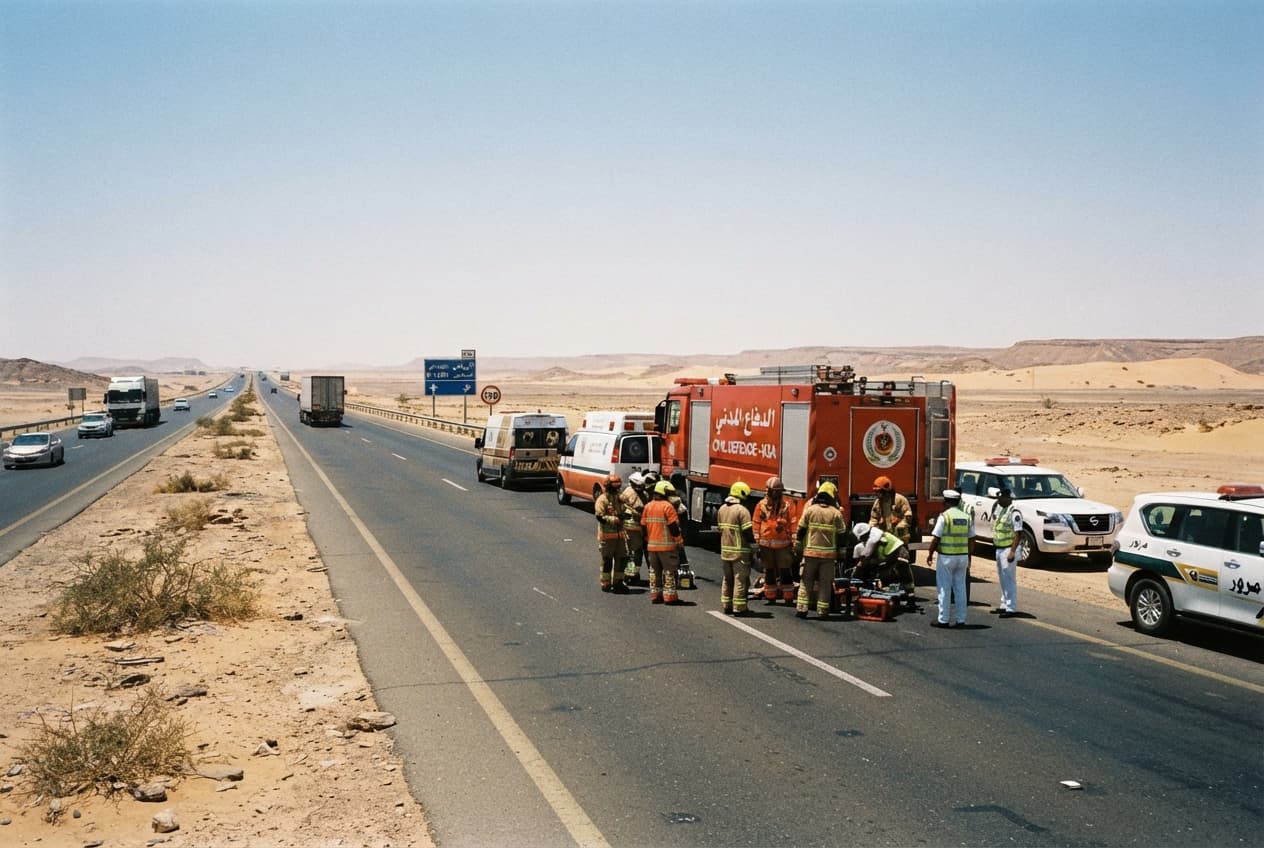
Emergency response units from surrounding municipalities converged on the site, their sirens cutting through the quiet morning air of the central valleys. Firefighters, medical personnel, and railway engineers worked methodically among the wreckage, their bright high-visibility jackets creating a sharp contrast against the muted tones of the forest. The rescue operation was characterized by a somber efficiency, as crews worked to secure the train and assess the condition of those on board while recovering the fallen workers. The collective focus was entirely on the immediate needs of the scene, far removed from the broader logistical chaos rippling through the rail network.
In the aftermath of the collision, the affected stretch of track became a silent laboratory for forensic investigators seeking to reconstruct the sequence of events. Every signal, every brake application, and every communication log will be scrutinized to determine how a passenger train and a maintenance vehicle came to occupy the same space. The technology that governs modern rail travel is designed precisely to prevent such occurrences, making the presence of an anomaly a matter of deep concern for safety officials. Yet, behind the technical data and mechanical assessments lies the irreducible reality of two empty chairs at local family dinner tables.
The incident has sent a quiet shockwave through the tight-knit community of railway workers, a profession where safety is viewed not just as a rule, but as a shared moral obligation. In breakrooms and maintenance depots across the country, the mood is reflective and subdued as colleagues process the loss of their peers. There is an unspoken understanding of the risks involved in working along active lines, but the realization that a routine shift could end in such a definitive manner brings a heavy cloud of contemplation over the entire industry.
Officials from the national railway administration reported that a high-speed passenger train collided with an industrial maintenance vehicle in central Sweden early Thursday, resulting in two fatalities. The victims were identified as track workers who were performing scheduled maintenance when the incident occurred; no severe injuries were reported among the train's passengers. Rail traffic along the main corridor has been suspended indefinitely while national safety boards conduct an investigation into the signaling systems and operational protocols active at the time.
Published by Banx Network. This article is part of the Banx decentralized media programme, powered by the BXE token on the XRP Ledger.