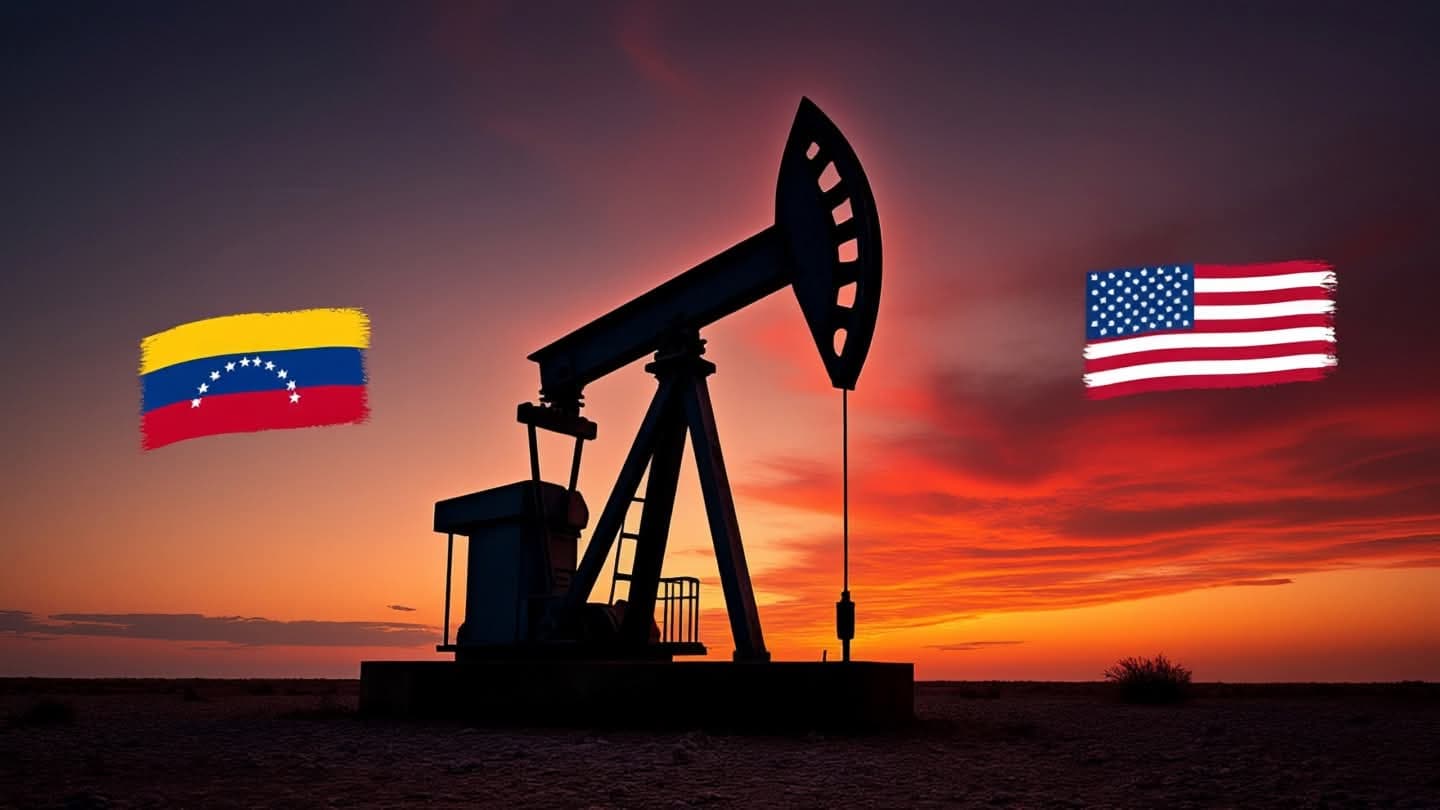
Natural resources are often the heartbeat of a nation’s economy, pulsing with potential and promise. In Venezuela, oil has long been both a blessing and a curse, shaping its history and politics. Recent reports suggesting that the United States seeks a significant stake in the country’s oil and gas sector have ignited a firestorm among opposition leaders. For them, this is not just a business deal but a question of sovereignty, raising fears that external influence could compromise national independence in exchange for economic relief.
The rumors emerged amidst ongoing negotiations between the Venezuelan government and international actors regarding sanctions relief and economic normalization. While details remain speculative, the idea of US companies gaining major equity in state-owned oil assets has struck a nerve. Opposition figures argue that such arrangements could replicate historical patterns of foreign exploitation, undermining the very democratic principles they fight for.
For the opposition, which has long criticized the Maduro government’s management of the oil industry, the prospect of US involvement is complex. On one hand, investment could revitalize the sector and bring much-needed revenue. On the other, there is deep skepticism about the motives behind such interest. Critics worry that political concessions might be traded for economic access, leaving the nation vulnerable to new forms of dependency.
The US government has not officially confirmed any specific plans for equity stakes, emphasizing instead its support for free and fair elections and humanitarian aid. However, the mere possibility has fueled debate within Venezuela’s political landscape. It highlights the delicate balance between seeking international support and preserving national autonomy.
Energy experts note that Venezuela’s oil infrastructure requires massive investment to return to full productivity. Decades of underinvestment and mismanagement have left the sector in disarray. Foreign participation, whether from the US, Europe, or Asia, may be inevitable for recovery. The key question is how such partnerships are structured and who benefits from them.
Public opinion is divided. Some citizens welcome the potential for economic improvement, hoping that foreign investment will lead to jobs and stability. Others share the opposition’s concerns, fearing that national resources will be sold off without adequate safeguards. This division reflects the broader uncertainty about Venezuela’s future direction.
Political analysts suggest that transparency will be crucial in navigating these developments. Clear agreements that protect national interests while attracting investment are essential. Without trust and accountability, any deal risks becoming a source of further conflict rather than a path to prosperity.
The Venezuelan opposition continues to demand clarity from both the government and international partners. Meanwhile, discussions about the future of the oil sector remain a central topic in the country’s political discourse.
AI Image Disclaimer: The images associated with this piece are AI-generated visualizations intended to represent the themes of energy politics, national sovereignty, and economic negotiation.
Sources: Reuters Associated Press BBC News Bloomberg
Published by Banx Network. This article is part of the Banx decentralized media programme, powered by the BXE token on the XRP Ledger.