Working with wildlife requires a profound respect for the natural instincts of creatures that operate on laws far older than human civilization. In Papua New Guinea, where the bond between people and the natural world is often intimate and direct, this respect is paramount. Yet, even with experience and caution, the wild retains its unpredictability, a truth that was tragically reaffirmed in Port Moresby this past weekend.
A male worker at the Adventure Park in Port Moresby lost his life following a severe attack by a crocodile. The incident occurred on Saturday, September 5, while the handler was inside the enclosure performing routine feeding duties. According to reports, the crocodile dragged the man into the water, initiating a struggle that would ultimately prove fatal. The swift response of colleagues and emergency services could not prevent the severity of the injuries sustained.
Police were called to the scene, and in an effort to free the trapped worker, officers reportedly shot the crocodile. The handler was rushed to 3 Mile Hospital in critical condition. Despite the best efforts of medical staff, he passed away early Sunday morning, approximately twenty-four hours after the attack. His death has sent shockwaves through the local community and the wider wildlife management sector in the region.
The Adventure Park is a known destination for both locals and tourists, offering encounters with native species. Such parks operate under strict safety protocols, yet the inherent danger of working with apex predators remains. Crocodiles are powerful animals, capable of sudden and violent movements, especially during feeding times when their predatory instincts are heightened. This incident underscores the thin line that handlers walk daily between care and peril.
Colleagues and friends have begun to mourn the loss, remembering him as a dedicated professional who loved his work. The tragedy has prompted discussions about safety measures in wildlife facilities across Papua New Guinea. While accidents are rare, they serve as somber reminders of the power dynamics at play when humans interact with wild animals in captive settings. Questions are being raised about enclosure design and procedural safeguards.
Local authorities have launched an investigation into the circumstances surrounding the attack. They aim to determine if any protocol breaches occurred or if this was an unavoidable accident. The findings will likely influence future operational guidelines for wildlife parks in the country. For now, the park remains closed as staff deal with the emotional toll of losing a colleague in such a dramatic and violent manner.
The incident also draws attention to the broader context of wildlife conservation and management in the Pacific. As tourism grows, so does the interaction between humans and dangerous species. Balancing educational opportunities with absolute safety is a continuous challenge. This tragic event serves as a case study for other facilities, highlighting the need for constant review and improvement of safety standards.
As the community comes to terms with the loss, tributes have poured in for the deceased handler. Authorities have assured the public that a thorough review is underway to prevent future tragedies, emphasizing their commitment to both staff safety and animal welfare in the wake of this heartbreaking event.
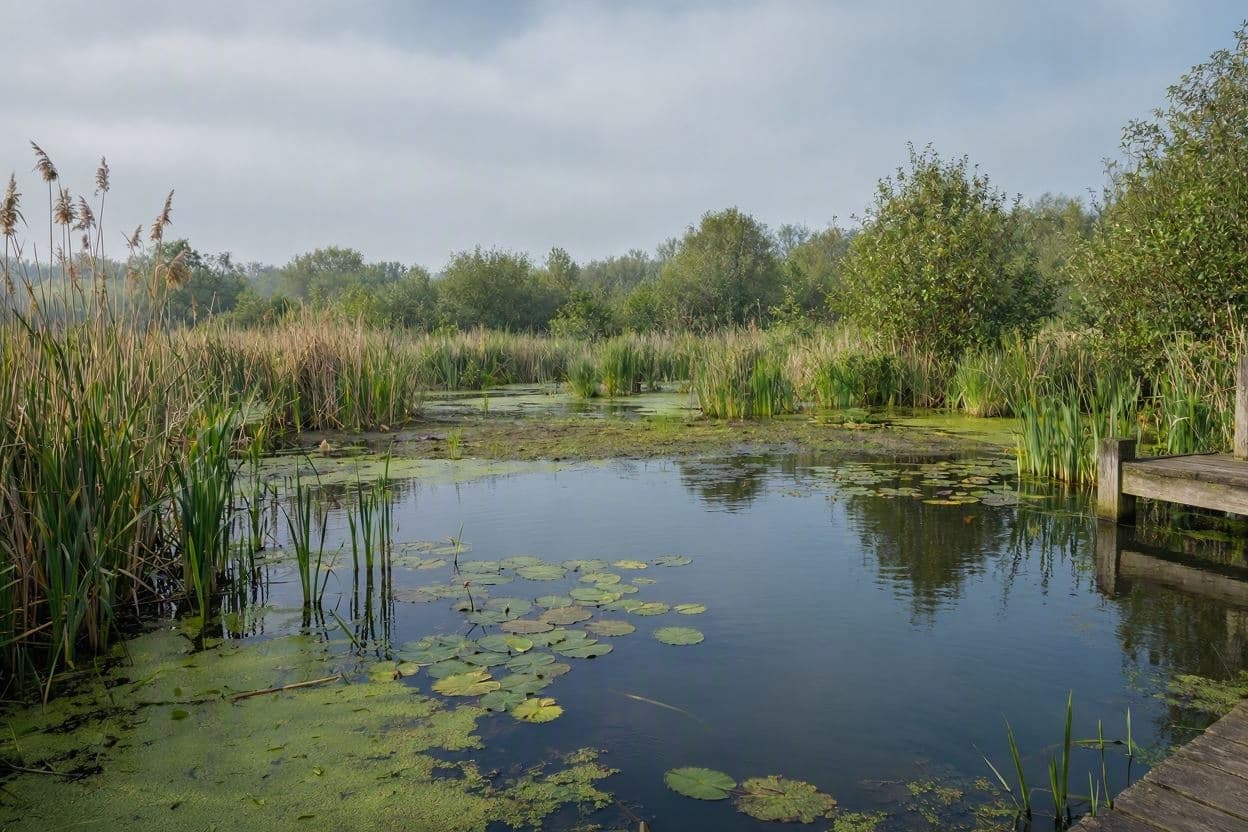
AI Image Disclaimer: The visual content associated with this report is generated by artificial intelligence and does not depict real individuals or specific events.
Sources: ABC News (Australia) RNZ (Radio New Zealand) AusLeisure The Nightly
Published by Banx Network. This article is part of the Banx decentralized media programme, powered by the BXE token on the XRP Ledger.