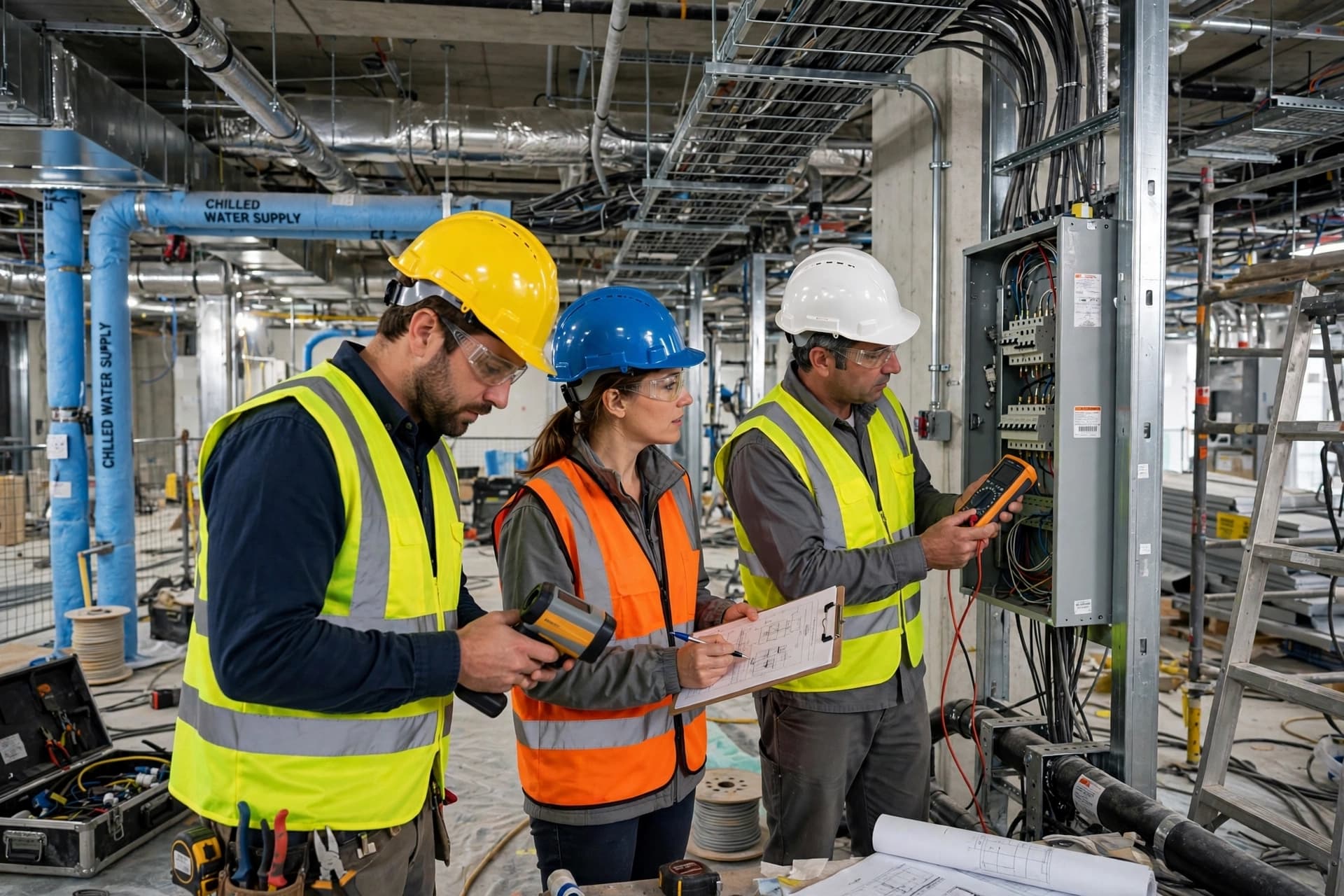
There are moments in the arc of human endeavour when imagination and industry meet at a crossroads, and each step forward seems to ripple outward like gentle waves on still water. In the rolling fields and quiet towns of Pennsylvania’s Lehigh Valley, another such moment quietly unfurls. Here, amid the landscape of everyday life, plans have emerged that carry the promise of new beginnings — bridges between innovation and livelihoods, between scientific aspiration and the simple work of making things for tomorrow.
In a decision that reflects both ambition and purpose, Eli Lilly and Company has announced plans to invest $3.5 billion to build a new manufacturing facility in Fogelsville, near Allentown, Pennsylvania. The site is destined to be part of the company’s evolving network of U.S.-based production, bringing to life next-generation injectable weight-loss medicines — including retatrutide, an experimental treatment that sits at the frontier of obesity therapy.
This investment, the largest in Pennsylvania’s life-sciences history, was selected from among more than 300 possible locations, in part because of the region’s strong infrastructure and close connections to academic institutions. Construction is slated to begin in 2026, with the facility expected to become operational by 2031. Officials say the project will create at least 850 permanent jobs, along with thousands more in construction work, threading new opportunity through the local economy.
For Lilly, the move is more than an expansion of brick and mortar. It signals continuity in a broader shift within the pharmaceutical world toward strengthening domestic supply chains, while also responding to rising global demand for treatments addressing obesity and diabetes. The company’s growing portfolio, from established products like Zepbound and Mounjaro to cutting-edge therapies in development, mirrors an evolving vision of health care where treatments emerge not just from laboratories but from innovation ecosystems rooted in the communities they serve.
Pennsylvania’s leaders have greeted the announcement with measured enthusiasm, emphasising both the jobs it could bring and the symbolic return of advanced manufacturing to the region. The Lehigh Valley, historically tied to America’s industrial heritage, now finds itself woven into narratives of biotech growth and future-facing work. It is a reminder that economic landscapes are not fixed but can be reshaped by new aspirations, deep investment, and the quiet resolve of people committed to shared progress.
As planning moves forward and blueprints give way to construction sites, the project stands as a gentle testament: that even in a world often beset by uncertainty, paths forward can be drawn with steady hands and thoughtful intent. In the interplay between science, community, and enterprise, this chapter in the Lehigh Valley hints at new horizons — ones that speak of possibility even as they acknowledge the patient rhythms of time and effort.
In closing, Eli Lilly’s announcement on January 30, 2026, outlines a significant investment that will see a $3.5 billion pharmaceutical manufacturing facility built in Fogelsville, Pennsylvania. The plant will make injectable weight-loss drugs and related devices, including next-generation therapies, with construction beginning in 2026 and operations expected by 2031. The project may create hundreds of jobs and forms part of the company’s broader U.S. expansion.
AI Image Disclaimer (Rotated) Graphics are AI-generated and intended for representation, not reality.
Sources Check
Reuters Associated Press (AP News) ABC News (via wire service) Fierce Pharma Wall Street Journal
Published by Banx Network. This article is part of the Banx decentralized media programme, powered by the BXE token on the XRP Ledger.