When conflict expands beyond a single border, it often travels through the infrastructure of distance — across airfields, naval stations, and desert outposts that exist as quiet nodes in a global network. Bases, by design, are built for readiness rather than visibility. Most days pass without incident, their runways stretching under sun or floodlight, their personnel moving through routine drills and maintenance. Yet in moments of escalation, these same places can become focal points in a widening map of tension.
Recent reports indicate that Iran launched strikes targeting facilities associated with the United States Armed Forces in the region. Officials described missile and drone activity directed toward U.S.-linked installations across parts of the Middle East. In the hours that followed, defense systems in multiple locations were activated, with intercepts reported by military authorities.
Among the sites referenced in public statements were bases in countries that host U.S. military personnel under longstanding agreements. These include installations in nations such as Iraq, Syria, and other regional partners where U.S. forces operate as part of coalition efforts. Officials in several of these locations confirmed heightened alert status, though detailed assessments of damage and casualties were subject to ongoing verification.
Military bases in the Gulf region, including facilities in Qatar, Bahrain, and Kuwait, are also part of the broader U.S. defense footprint. These sites often support air operations, logistics coordination, maritime security, and regional command functions. In many cases, they serve as hubs rather than front-line installations, emphasizing cooperation and deterrence within multinational frameworks.
As alerts were issued, defense ministries emphasized that protective systems were engaged where necessary. Air defense capabilities across the region are designed to detect incoming threats and respond rapidly, and officials noted that assessments were underway to determine the extent of any impact. In such incidents, information tends to emerge gradually, as military and civil authorities confirm details before releasing comprehensive updates.
The reaction extended beyond the immediate zone of operations. Governments in neighboring states called for restraint, while international organizations encouraged dialogue and de-escalation. The presence of U.S. forces across multiple countries reflects longstanding security arrangements, and any coordinated attack on these facilities carries implications for regional stability and diplomatic channels.
In the days ahead, attention will likely focus on verification — which bases were targeted, what systems intercepted incoming projectiles, and whether infrastructure sustained damage. Military spokespeople typically provide updates as investigations conclude, outlining defensive responses and future precautions. The pattern of communication in such circumstances often balances transparency with operational security.
For communities near these installations, daily life continues alongside the presence of military infrastructure. Markets remain open, schools operate, and traffic moves through city streets that exist adjacent to strategic sites. When strikes occur, the experience can feel both immediate and distant — immediate in alerts and sirens, distant in the broader geopolitical narrative unfolding far beyond local horizons.
As the situation evolves, governments on all sides face decisions shaped by deterrence, alliance commitments, and regional dynamics. Whether further exchanges follow will depend on diplomatic engagement and military calculations in the coming days. For now, the reported strikes add another layer to an already complex landscape, where bases that symbolize preparedness also reflect the fragile balance between security and escalation.
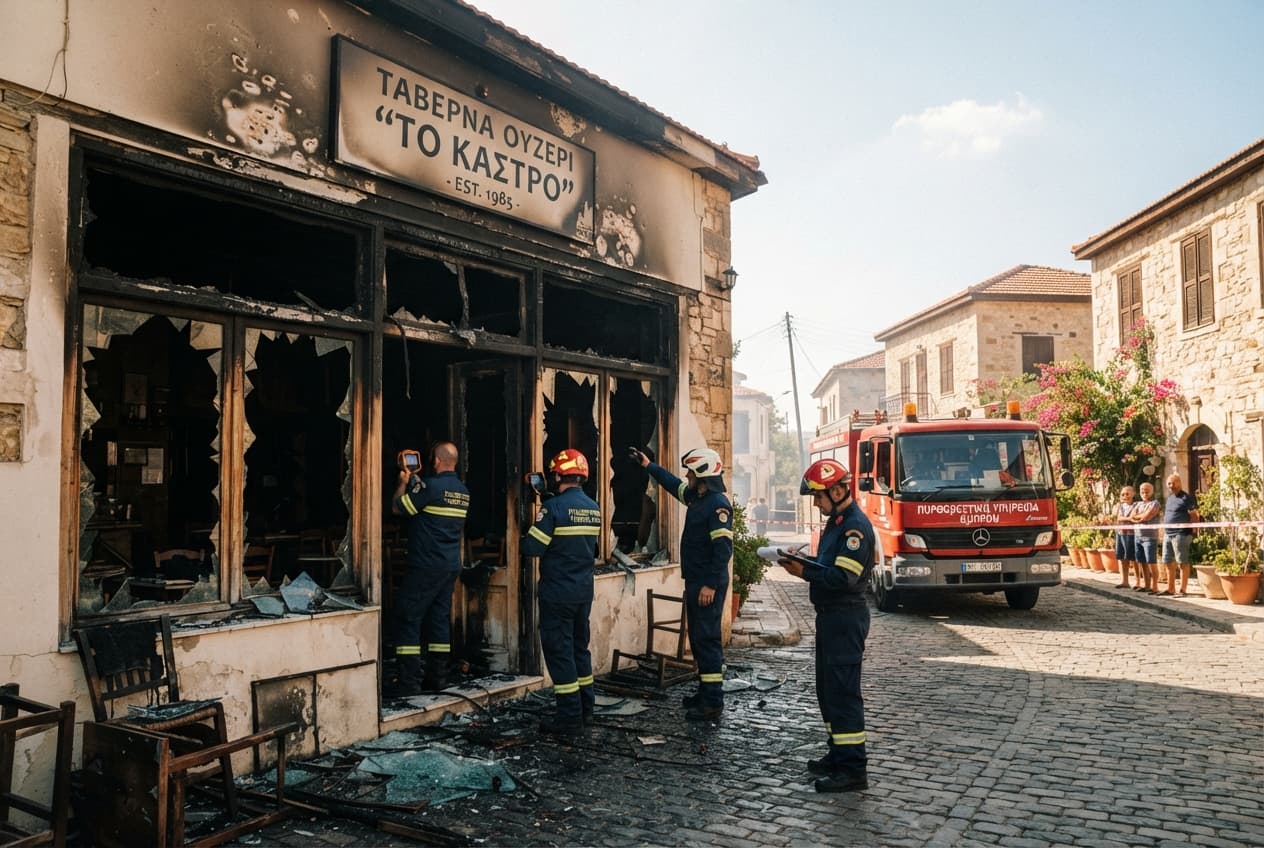
AI Image Disclaimer Images are AI-generated and intended as conceptual visual representations, not real photographs.
Sources Reuters Associated Press BBC News Al Jazeera The Wall Street Journal
Published by Banx Network. This article is part of the Banx decentralized media programme, powered by the BXE token on the XRP Ledger.