
Key Highlights
- France is investing heavily in renewable energy to modernize its industrial sector.
- The shift towards sustainability is reshaping energy consumption and production.
- Hybrid energy systems are being adopted for reliability and efficiency.
[France's Commitment to Renewable Energy]
Industrial development has always depended on energy. Every major economic transformation in history has been shaped by the way energy is produced, distributed, and consumed. France’s accelerating investment in renewable energy across its industrial sector reflects a broader shift toward sustainability and long-term resilience. This commitment is not only about environmental responsibility but also about securing economic stability in a rapidly changing global market.
Renewable energy sources such as wind, solar, and hydroelectric power are becoming increasingly central to industrial planning. These systems reduce dependence on fossil fuels while supporting environmental goals. France has made significant strides in integrating these technologies into its industrial framework, aiming to create a cleaner and more sustainable future.
[Modernizing Energy Infrastructure]
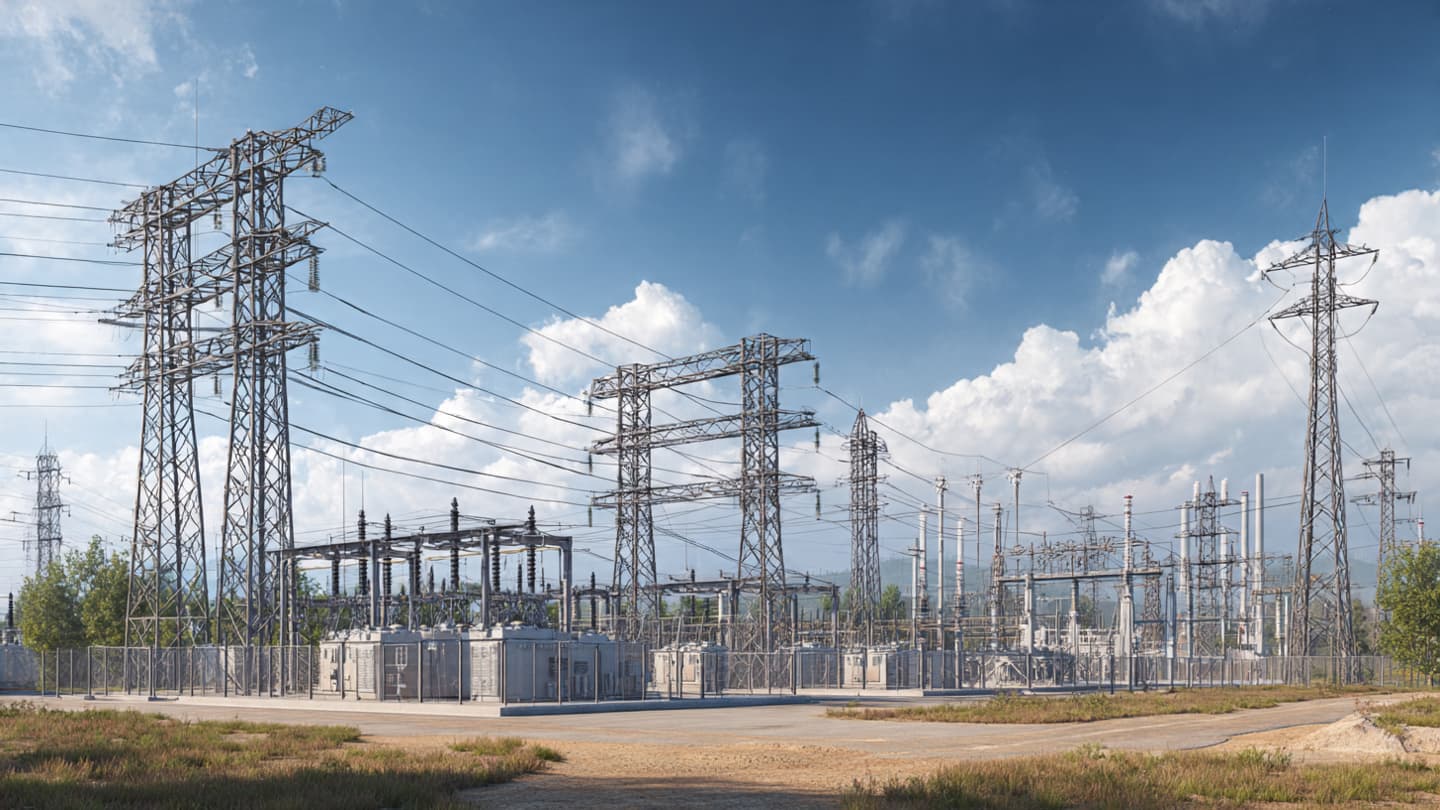
France has invested heavily in modernizing its energy infrastructure. This includes upgrading grids, expanding renewable capacity, and integrating cleaner technologies into industrial operations. The government has recognized that a robust energy infrastructure is crucial for supporting the transition to renewable sources. By enhancing grid capabilities and investing in energy storage solutions, France is positioning itself as a leader in the global energy transition.
[Economic Benefits of Renewable Energy]
The transition to renewable energy is not only environmental but also economic. It helps industries stabilize long-term costs and reduce exposure to volatile energy markets. Financial analysts note that renewable energy has become a defining factor in global competitiveness, particularly in manufacturing and heavy industry. Companies that embrace renewable energy are likely to benefit from lower operational costs and improved market positioning.
[Adoption of Hybrid Energy Systems]
Industrial companies are increasingly adopting hybrid energy systems that combine renewable and traditional sources to ensure reliability and efficiency. This approach allows businesses to maintain operational continuity while gradually transitioning to cleaner energy sources. The flexibility of hybrid systems is particularly appealing to industries that require consistent energy supply, making them a popular choice among manufacturers.
[Innovation and Investment Opportunities]
Energy innovation is also driving new investment opportunities. Technology companies, utilities, and industrial firms are collaborating to develop smarter energy systems. These partnerships are fostering advancements in energy efficiency and sustainability, creating a ripple effect across various sectors. As industries innovate, they are also attracting investments that support further advancements in renewable technologies.
[Challenges and Future Outlook]
Challenges remain, including infrastructure costs and transition timelines, but long-term momentum continues to strengthen. The French government is committed to overcoming these obstacles through policy support and financial incentives. For now, France’s accelerated investment in renewable energy reflects its commitment to a more sustainable and future-oriented industrial economy, setting a benchmark for other nations to follow.
Published by Banx Network. This article is part of the Banx decentralized media programme, powered by the BXE token on the XRP Ledger.



