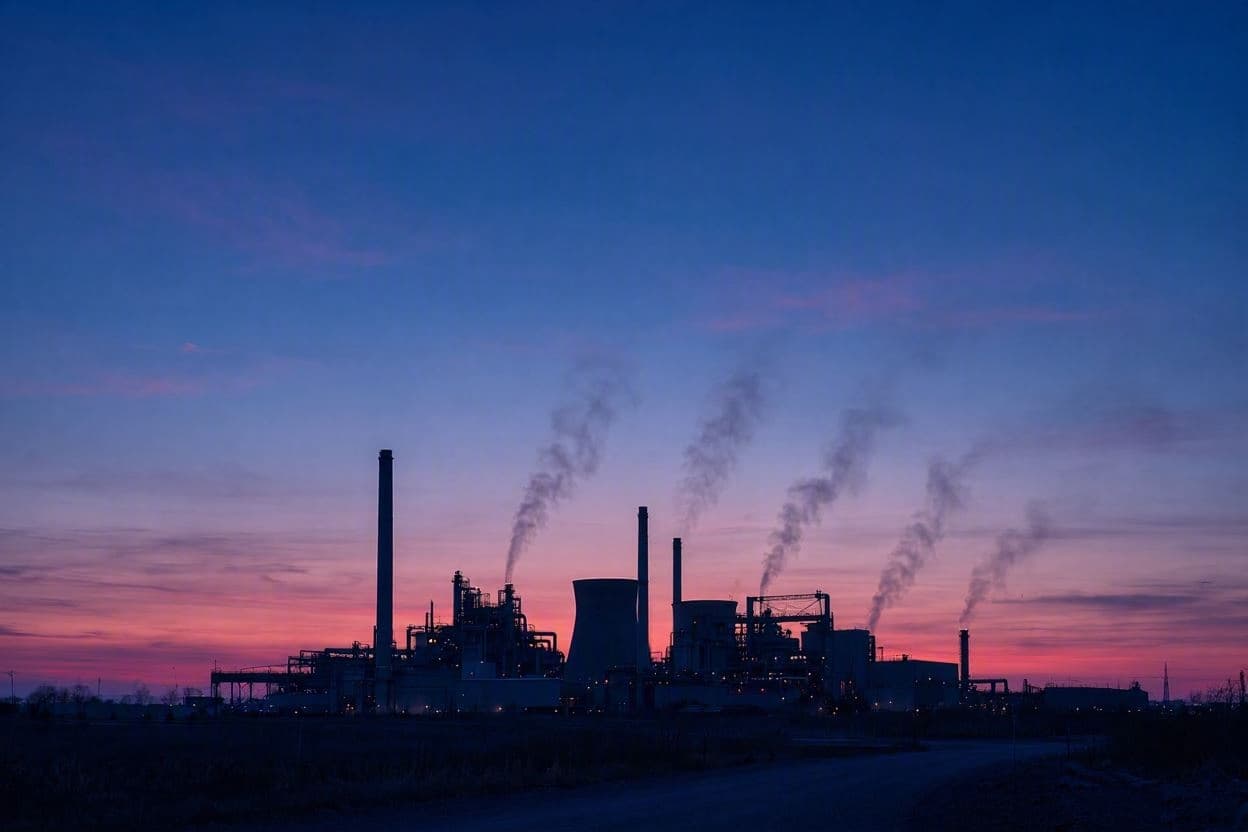
Industrial landscapes are the engines of modern economies, humming with energy and purpose. But when disaster strikes, these hubs of productivity can quickly become scenes of profound tragedy. A devastating fire at a gas and chemical plant in Russia’s Far East has claimed fifteen lives, casting a long shadow over the region and reminding us of the inherent risks embedded in industrial progress.
The blaze erupted at a facility involved in the processing and storage of hydrocarbons, sectors critical to Russia’s economic backbone. Initial reports suggest that the fire spread rapidly, fueled by volatile materials present on site. Emergency responders worked tirelessly to contain the flames, battling intense heat and hazardous conditions to prevent further escalation.
The loss of fifteen workers is a stark reminder of the human cost of industrial accidents. These individuals were engaged in essential labor, contributing to the energy supply chain, when their lives were suddenly cut short. Their families and communities are left to grapple with grief and the sudden void left by their absence. The tragedy underscores the importance of stringent safety protocols and rigorous oversight in high-risk environments.
Investigations are underway to determine the cause of the fire. Possible factors include equipment failure, human error, or procedural lapses. In the aftermath, regulatory bodies will likely scrutinize the plant’s operations, seeking answers to prevent similar incidents in the future. The findings will be crucial for improving safety standards across the industry, not just in Russia but globally.
The Far East region, remote and rugged, faces unique logistical challenges in emergency response. The distance from major medical centers and the harsh climate can complicate rescue efforts, making prevention even more critical. This incident highlights the need for robust local infrastructure and preparedness plans tailored to the specific realities of remote industrial zones.
For the energy sector, the accident serves as a sobering checkpoint. It prompts a reevaluation of risk management strategies and the balance between production efficiency and worker safety. Companies are urged to prioritize investment in safety technology and training, ensuring that the drive for output does not compromise the well-being of employees.
Public reaction has been one of sorrow and demand for accountability. Citizens and advocacy groups are calling for transparency in the investigation and justice for the victims. The incident has sparked a broader conversation about industrial responsibility and the social contract between corporations and the communities they operate within.
Authorities have confirmed the death toll and promised a thorough investigation. Memorial services are being planned for the victims, as the region begins the slow process of healing and learning from this tragic event.
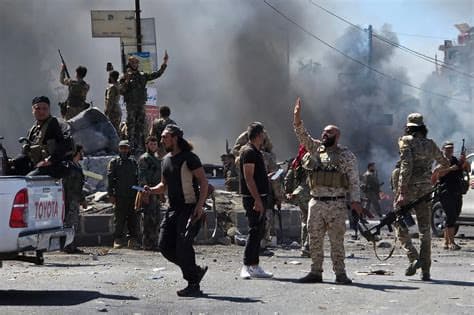
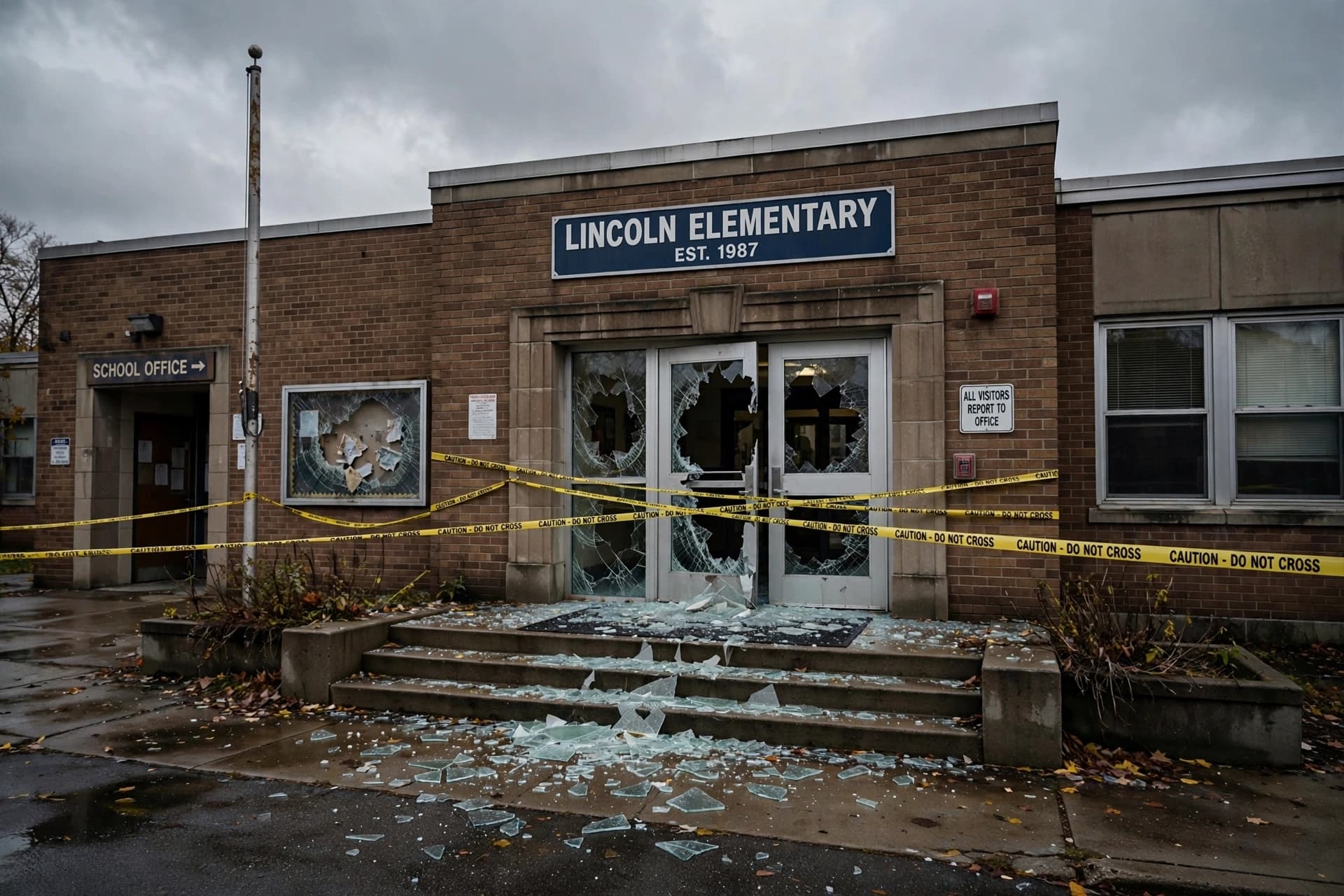
AI Image Disclaimer: The images associated with this piece are AI-generated visualizations intended to represent the themes of industrial safety and emergency response, without depicting graphic content.
Sources: Reuters TASS BBC News The Guardian Interfax
Published by Banx Network. This article is part of the Banx decentralized media programme, powered by the BXE token on the XRP Ledger.