

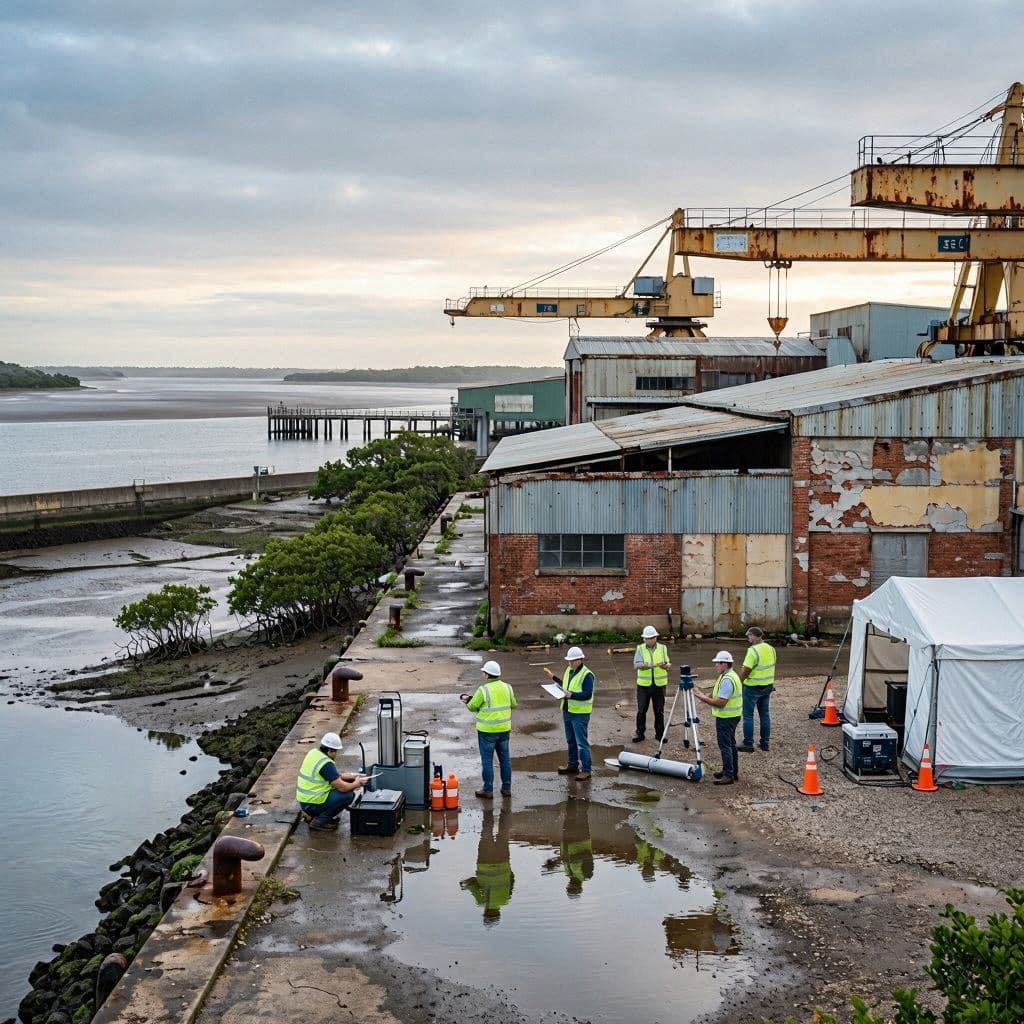
Key Highlights
- Estimated Cost:The Tasmanian government faces a potential $200 million remediation bill for Liberty Bell Bay.
- Environmental Impact:The site has a long industrial history contributing to contamination concerns.
- Community Concerns:Local residents are worried about environmental protection and future development.
The landscapes of Tasmania are rich with stories of industrial progress, but they also bear the weight of environmental challenges that linger long after the factories have closed. One such site, Liberty Bell Bay, located near George Town, has become a focal point for discussions about the costs of industrial legacy. The Tasmanian government is currently grappling with the possibility of a significant remediation bill, estimated at around $200 million, to address contamination linked to past industrial activities.
The potential financial burden stems from the extensive cleanup and management efforts required to rectify the environmental damage caused by decades of industrial operations. Authorities are actively assessing the scope of work needed to meet modern environmental standards and to mitigate the historical impacts of industrialization in the area. This situation underscores the delicate balance between economic development and environmental stewardship that many industrial regions face.
Liberty Bell Bay's industrial history has played a crucial role in Tasmania's economic growth, but it also highlights the long-term responsibilities that come with such development. The Tasmanian government is evaluating its obligations regarding the necessary remediation work, which involves complex planning and technical expertise. The estimated $200 million cost is not just a number; it represents the intricate challenges that governments encounter when dealing with contaminated land, where solutions often require significant investment and collaboration among various stakeholders.
Environmental remediation is a multifaceted process that can include detailed investigations, removal or containment of hazardous materials, and ongoing monitoring to ensure compliance with environmental regulations. The coordination required between government agencies, environmental experts, and local communities is critical to the success of these efforts. For residents and businesses near Liberty Bell Bay, the implications of this remediation extend beyond financial considerations; they are deeply intertwined with the health of their local environment and the future viability of industrial activities in the region.
The $200 million estimate has garnered attention, as large-scale environmental projects can strain public budgets. Governments must navigate the challenge of balancing cleanup responsibilities with other community priorities, all while ensuring that environmental standards are upheld. This situation at Liberty Bell Bay is emblematic of a broader global dialogue about the legacies of industrialization and the need for sustainable practices moving forward.
As assessments continue, the focus remains on understanding the full extent of the remediation requirements and determining the most effective strategies for addressing the contamination. The challenges faced at Liberty Bell Bay serve as a poignant reminder that the decisions made during periods of industrial expansion can have lasting consequences for the environment and future generations.
The ongoing discussions surrounding Liberty Bell Bay reflect a growing awareness of the need to address the environmental footprints left by previous generations. Communities worldwide are grappling with similar issues, striving to find pathways that support sustainable economic activity while rectifying the mistakes of the past.
Published by Banx Network. This article is part of the Banx decentralized media programme, powered by the BXE token on the XRP Ledger.




