Money has always followed the habits of the people who use it. Once it moved quietly from one hand to another; now, increasingly, it travels through screens, networks, and digital systems that can complete a transaction before a conversation has ended.
Indonesia is expanding that digital landscape. Bank Indonesia has extended the use of a government-developed credit-card system beyond government institutions to consumers and businesses, marking another step in the country's development of digital payments.
The change reflects a broader movement in Indonesian commerce. Digital payment systems are becoming increasingly woven into everyday transactions, from large retailers to smaller merchants operating in neighborhood markets.
For businesses, electronic payments can simplify the process of receiving money and maintaining transaction records. Digital records can also help companies understand customer behavior and organize their financial operations more efficiently.
The expansion is particularly relevant for Indonesia because of the country's enormous geographic spread. A payment system that operates digitally can connect businesses across islands without requiring the same physical infrastructure traditionally associated with cash-based commerce.
Small enterprises can also benefit from greater access to digital financial tools. For merchants who previously relied almost entirely on cash, electronic payments can create new possibilities for online commerce, delivery services, and broader customer reach.
The transformation is not limited to payment cards. Indonesia has also seen rapid adoption of mobile banking, QR-based payments, and other electronic transaction systems, creating an increasingly diverse digital financial ecosystem.
For financial institutions, that growth creates opportunities as well as responsibilities. Digital transactions require reliable networks, secure authentication, effective consumer protection, and systems capable of handling large volumes of activity.
The development also illustrates how central banks are becoming involved in the architecture of modern commerce. Their role increasingly extends beyond traditional monetary policy toward payment infrastructure and financial-system modernization.
Indonesia's digital economy remains a work in progress, with differences in connectivity, financial access, and digital literacy across regions. But each new payment option adds another layer to the country's evolving commercial network.
As consumers and businesses become more comfortable with electronic transactions, Indonesia's marketplace is gradually becoming less dependent on physical money. The change is quiet, but its reach can be seen wherever a smartphone replaces a wallet at the moment of purchase.
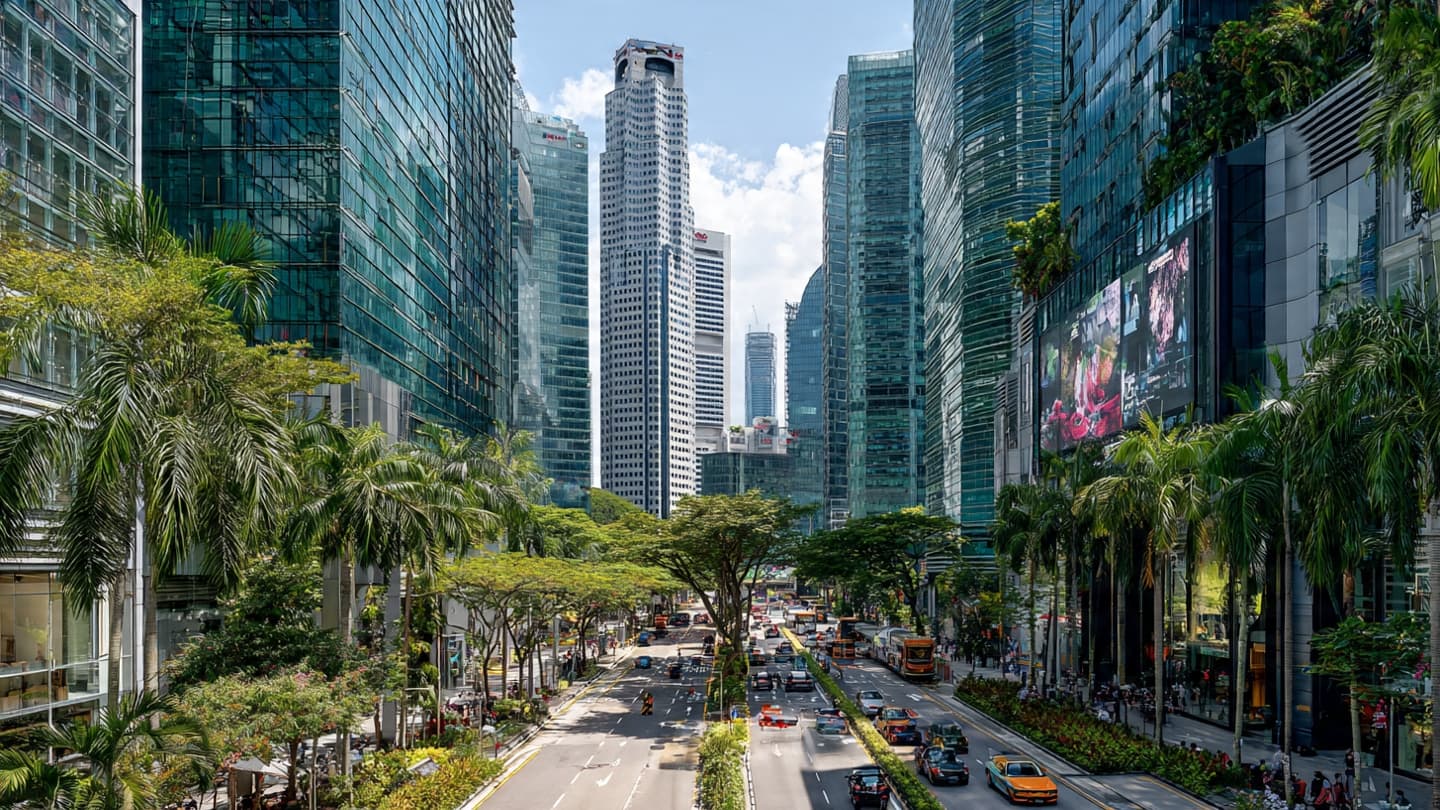
AI Image Disclaimer The accompanying visuals were generated with AI and serve as conceptual representations of Indonesia’s expanding digital-payment ecosystem.
Sources Reuters Bank Indonesia
Published by Banx Network. This article is part of the Banx decentralized media programme, powered by the BXE token on the XRP Ledger.