A marketplace once required a street, a storefront, and a familiar face behind a counter. Today, in Indonesia, it can fit inside a smartphone. A small business in one city can display its products to customers hundreds of kilometers away, while payments can cross the same distance in seconds.
Indonesia's large and rapidly developing digital economy has made online commerce an increasingly important part of the country's business landscape. Digital payments, e-commerce platforms, and online services are changing how consumers discover, purchase, and pay for goods.
The transformation is particularly important for smaller businesses. Digital platforms can reduce some of the traditional barriers to reaching customers, allowing entrepreneurs to market products without maintaining physical stores in every location.
Payments have developed alongside commerce. QR-based transactions and mobile banking have become increasingly familiar, giving consumers more options for completing purchases without cash.
For merchants, digital payment systems can also create useful records of transactions. Those records may help businesses understand customer demand, manage inventory, and establish a clearer financial history.
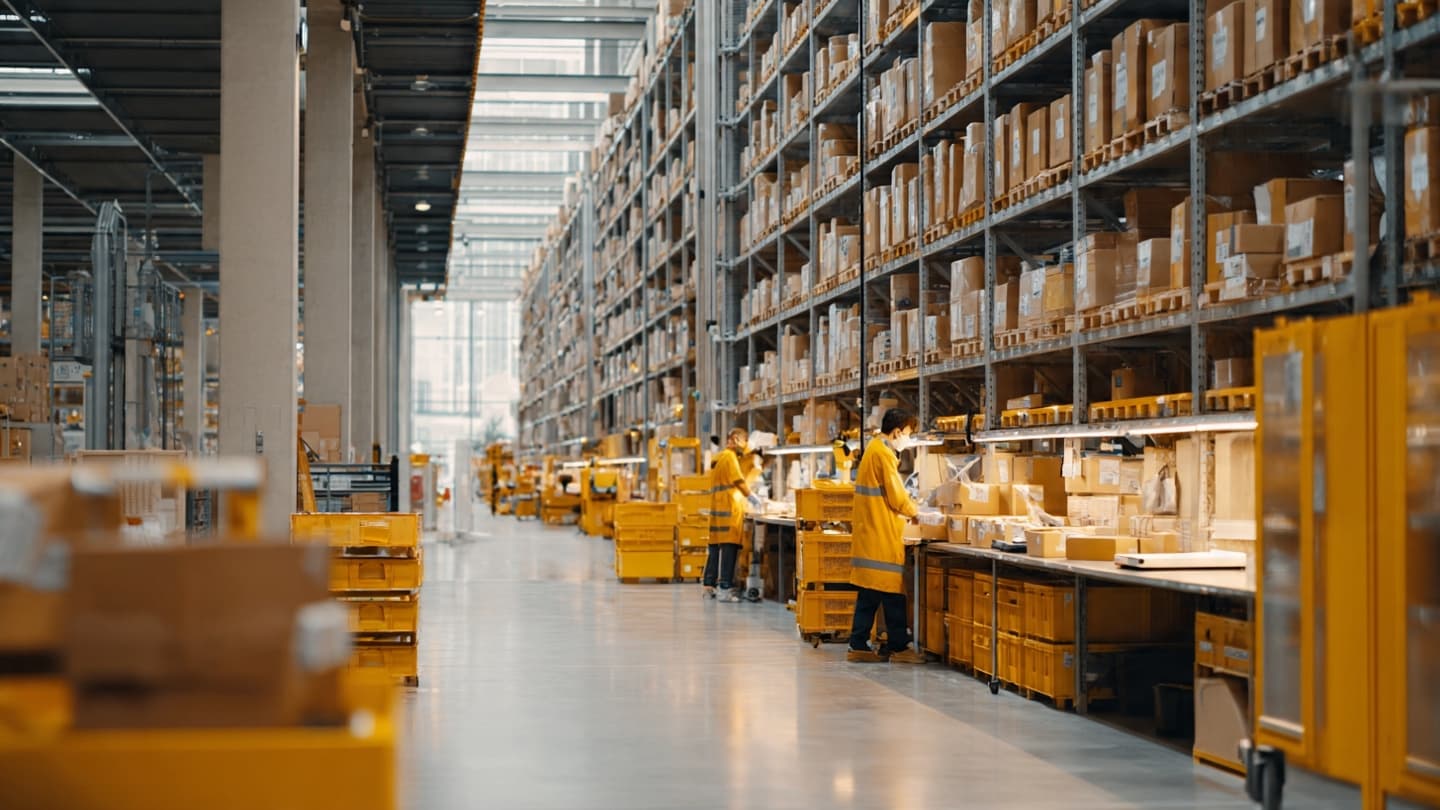
Logistics remains an essential part of the system. A digital order is only the beginning of a physical journey involving warehouses, couriers, roads, ports, and delivery networks.
Indonesia's geography makes that challenge particularly significant. Thousands of islands create a complex transportation environment, meaning improvements in logistics can have a direct effect on the ability of digital businesses to reach customers outside major urban centers.
Technology companies are also expanding the tools available to merchants. Advertising systems, data analytics, automated customer services, and inventory-management software can help small enterprises operate with greater efficiency.
Yet digital competition is becoming more intense as more businesses enter the online marketplace. Sellers must compete not only on price but also on reliability, product quality, delivery speed, and customer experience.
The next phase of Indonesia's digital economy will therefore depend on how effectively technology connects businesses with real economic activity. Behind every digital transaction remains a physical product, a worker, a delivery route, or a service provider.
As smartphones become increasingly woven into everyday commerce, Indonesia's digital marketplace continues to expand. Its future will be shaped by the interaction between technology, consumers, small businesses, financial systems, and the vast geography of the archipelago.
AI Image Disclaimer The accompanying illustrations were created with AI as conceptual depictions of Indonesia’s digital commerce ecosystem and are not photographs of actual platforms or businesses.
Sources Reuters Bank Indonesia World Bank
Published by Banx Network. This article is part of the Banx decentralized media programme, powered by the BXE token on the XRP Ledger.