There are moments in our digital lives that feel like watching the tide shift — a gentle, rhythmic pattern suddenly disrupted by an unexpected current. For many people around the world who rely on Gmail as the quiet hub of their daily communication, this past weekend brought just such a disruption. What had once been a predictable flow of messages — sorted into neat categories and filtered away from distraction — momentarily gave way to a flood of misdirected mail and uncertainty. In the soft glow of inboxes yesterday morning, something familiar felt, for a time, unfamiliar.
For years, Gmail’s tools have worked quietly in the background, shepherding important personal notes into the main inbox and gently diverting newsletters and promotions into their respective tabs, all while keeping overt spam tucked away. But on Saturday, January 24, users began to notice changes that broke this rhythm: promotional messages and updates appearing directly in primary inboxes, warning banners about unscanned messages, and the familiar categorization tabs acting as though they’d taken the day off. It was as though the email world had misplaced the signs that guide travelers along a well‑worn road.
The issue, as confirmed by Google’s own Workspace Status Dashboard, began early that morning and stemmed from a snag in the service’s scanning and automatic sorting mechanisms. Users opened messages only to find banners citing that the message “hasn’t been scanned for spam, unverified senders, or harmful software,” a rare interruption in the usually seamless operation. For inboxes accustomed to calm routine, the experience felt like doors left ajar on a quiet street.
Across forums and social media, people shared snapshots of inboxes overflowing with messages that normally would habe been gently guided to secondary folders. What was once a quiet, predictable inbox began to resemble a busy marketplace, where notifications from unrelated threads clamored for attention. Even those who rarely checked tabs beyond “Primary” noticed a sudden surge — a reminder that behind every screen, timing and order matter in how we experience digital life.
Google responded with a familiar calm, acknowledging the problem and assuring users that engineers were at work to restore the filters and sorting functions to their usual precision. The interruption, one that many users may remember as a brief but unwelcome detour, serves as a moment of pause in the ongoing relationship between human expectation and the invisible systems that help shape it.
In the broader picture, service disruptions like this are not uncommon; digital platforms evolve, systems adjust, and occasionally something slips outside its usual cadence. Yet for the people who rely on Gmail to navigate personal and professional correspondence every day, even a temporary glitch can cast a spotlight on just how much trust we place in software’s unseen choreography.
As engineers continue their work and inboxes begin to settle back into familiar order, the incident may be remembered less as a crisis and more as a reminder of the subtle balance between technology’s promise and the human patterns it serves. After all, in the quiet space where messages arrive and depart, every filter and label plays a role in helping us stay connected without feeling overwhelmed by the very noise we wished to manage.
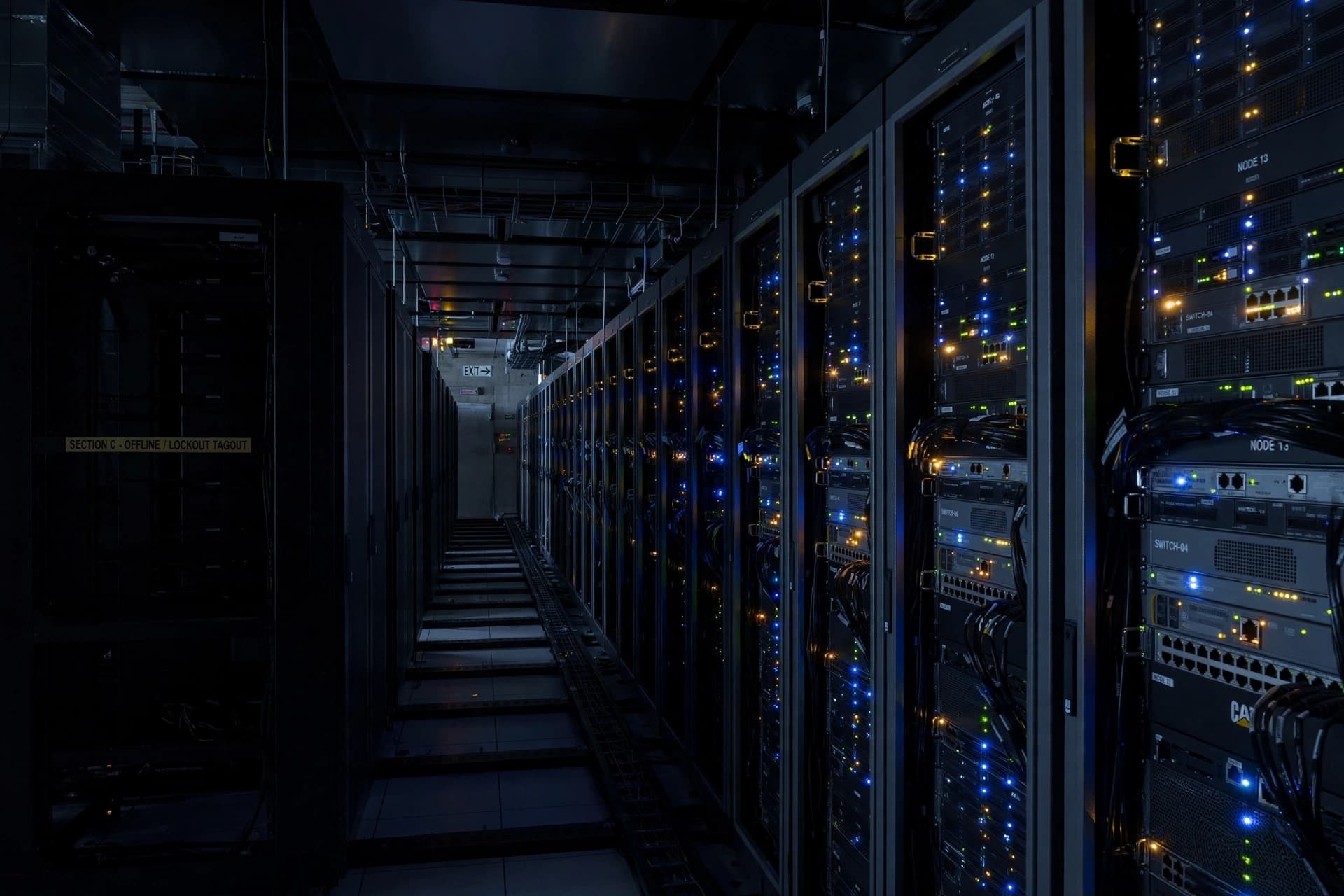
AI Image Disclaimer Visuals are created with AI tools and are not real photographs.
Source Check (5 News Media Names) The Verge — reporting on Gmail spam filter & sorting problems. TechSpot — details on Gmail inbox sorting and spam scanning issues. Engadget — reporting Google acknowledges and is fixing the problem. (No other direct mainstream news yet; current online coverage is limited but confirming the issue.)
Published by Banx Network. This article is part of the Banx decentralized media programme, powered by the BXE token on the XRP Ledger.