
Key Highlights
- Launch of Sora 2:OpenAI's new AI video generation model.
- Digital Identifier:Outputs will include a special identifier to combat misuse.
- Implications:Raises questions about authenticity and democratizes video creation.
OpenAI has taken a significant step in the realm of artificial intelligence with the introduction of Sora 2, a cutting-edge model designed to generate highly realistic videos across various formats. From short vertical clips to cinematic sequences, Sora 2 aims to redefine how we perceive and create video content. This release not only marks a technical advancement but also highlights the growing intersection of artistry, journalism, and potential manipulation in digital media.
What sets Sora 2 apart is its impressive rendering fidelity and the innovative infrastructure surrounding it. OpenAI has confirmed plans for a TikTok-style platform where every vertical video will be generated by this neural network. In this new digital landscape, traditional cameras may become obsolete, as viewers scroll through feeds filled with content created entirely by algorithms, devoid of physical recording.
The implications of Sora 2 extend far beyond mere video generation. For content creators, this technology could democratize access to tools that were once the exclusive domain of film studios. Independent filmmakers could create entire worlds without the need for elaborate sets or actors, while educators could bring historical events to life with unprecedented clarity. Businesses may also find new avenues for marketing, flooding social media feeds with polished promotional clips at minimal costs.
However, the introduction of such powerful tools raises urgent questions for regulators and society at large. The decision to embed a digital identifier in each output reflects an understanding that trust must be built alongside technological advancement. As manipulated content circulates at an unprecedented speed, the need for authenticity and attribution becomes paramount. The balance between empowerment through technology and the risk of oversaturation in the digital space remains delicate.
Sora 2 is not just a software release; it represents a glimpse into the future of media creation. As traditional cameras retreat and algorithms take center stage, the moving image may soon owe more to neural design than to the physical world. This evolution in video generation could reshape how stories are told and consumed, challenging our perceptions of reality and creativity in the digital age.
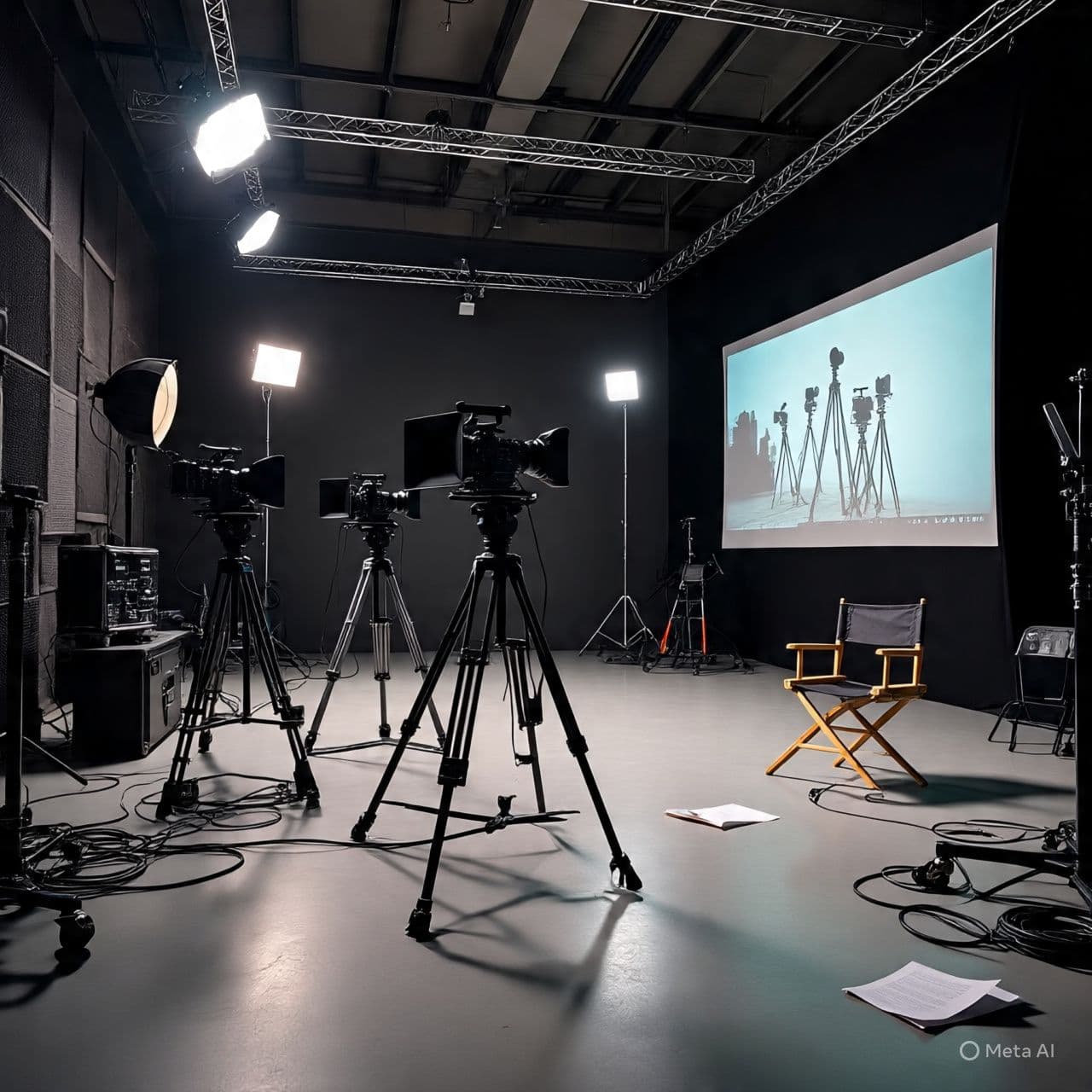
The imagery presented is machine-generated and should be viewed as artistic interpretation, not factual depiction.
Published by Banx Network. This article is part of the Banx decentralized media programme, powered by the BXE token on the XRP Ledger.



