
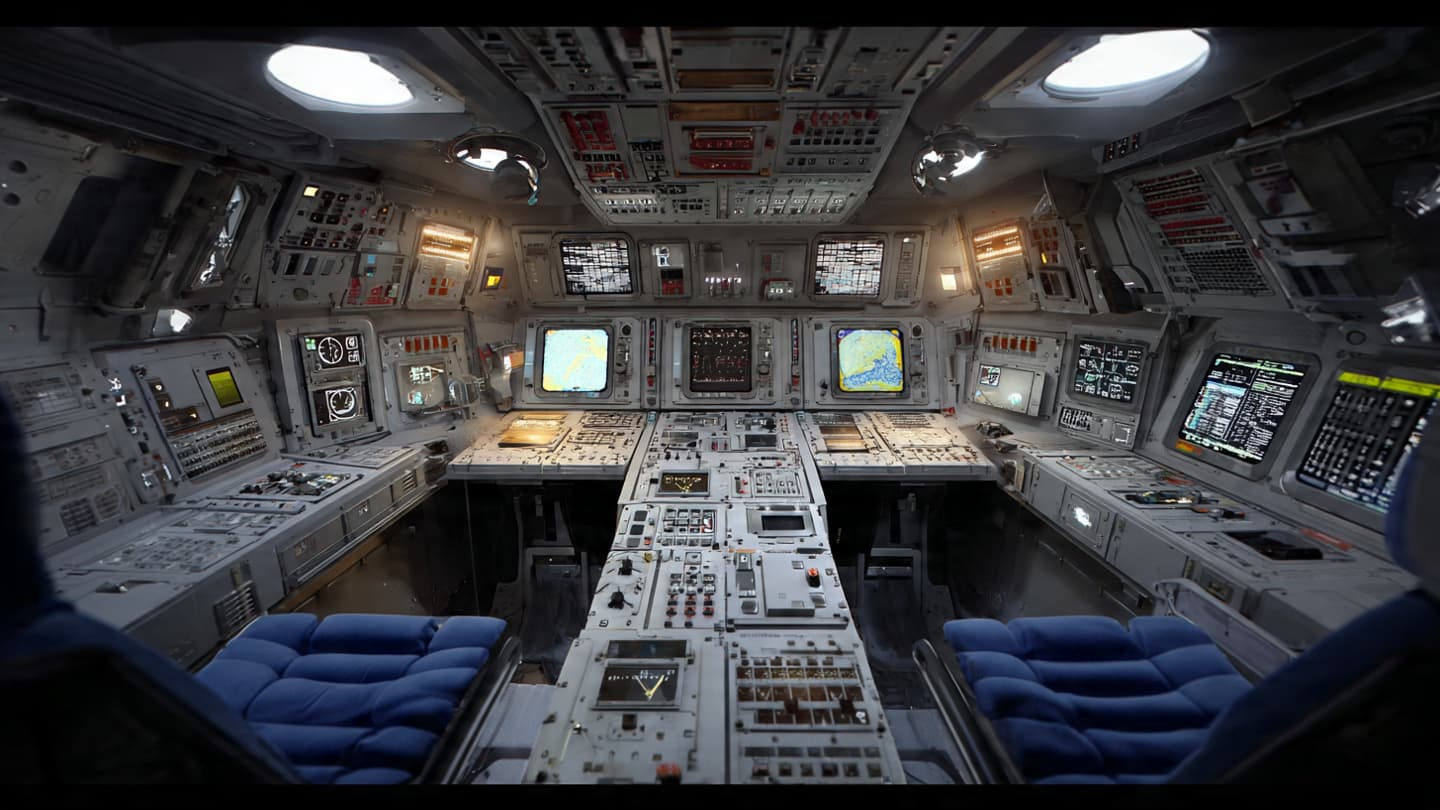
Images have long served as a quiet bridge between distant endeavors and everyday understanding. In space exploration, they do more than document progress—they invite reflection, offering glimpses into journeys that unfold far beyond the horizon of ordinary experience.
NASA has released an extensive collection of images from its Artemis II program, providing a detailed visual account of preparations for the upcoming lunar mission. The release includes photographs of spacecraft systems, astronaut training, and mission infrastructure.
The Artemis II mission represents a significant step in returning humans to the Moon. While the mission itself is still in preparation, the images offer insight into the scale and complexity of the effort.
Among the visuals are close-up views of the Orion spacecraft, designed to carry astronauts on a journey around the Moon. These images highlight the engineering precision required for deep-space travel.
Photographs of training exercises show astronauts undergoing simulations that prepare them for the conditions of spaceflight. These activities reflect the careful planning behind each phase of the mission.
The collection also includes images of ground operations, where teams coordinate testing and system integration. Such behind-the-scenes work is essential to mission success.
Observers note that the release of these images serves both scientific and public purposes, helping to communicate the progress of the Artemis program to a wider audience.
As interest in lunar exploration grows, visual documentation continues to play a key role in shaping public engagement with space science.
Through these images, the path toward the Moon becomes more visible, offering a quiet reminder of the effort and intention behind each step forward.
AI Image Disclaimer: The visuals referenced are AI-generated interpretations inspired by real mission imagery.
Sources: NASA, Gizmodo, Reuters, BBC
Published by Banx Network. This article is part of the Banx decentralized media programme, powered by the BXE token on the XRP Ledger.



