
Key Highlights
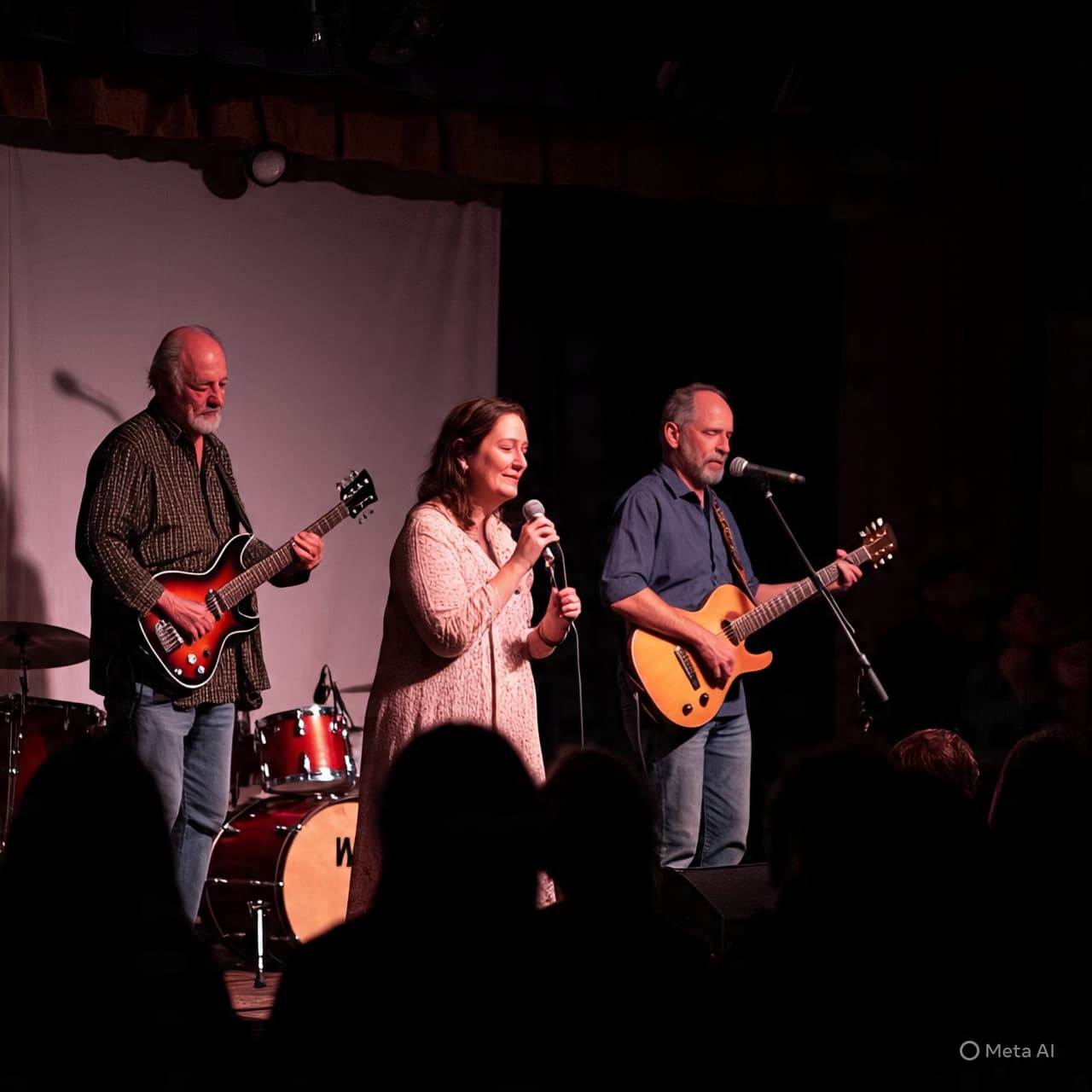
- Musicians with cancer unite to create therapeutic performances.
- Music serves as a companion and structure amid illness.
- Audience responses highlight shared humanity and connection.
In moments of silence that feel heavier than sound, music often emerges as a quiet companion, especially for those navigating the complexities of illness. For a group of musicians living with cancer, this companionship has evolved into a profound shared experience through performance. Across various regions, artists affected by cancer are coming together, creating music that reflects their unique journeys. Some are seasoned professionals, while others are rediscovering their instruments after years away from music. What unites them is not their genre or fame, but a shared understanding of vulnerability and resilience.
These performances transcend traditional charity events, transforming stages into spaces where illness is neither hidden nor overly dramatized. Instead, they become platforms for storytelling, where personal narratives unfold gently, carried by melodies rather than declarations. Participants often describe the rehearsals as therapeutic, providing a sense of continuity amidst the unpredictability of treatments and hospital visits. Music offers a structure in their lives, helping individuals reclaim a rhythm that illness often disrupts.
Medical professionals have long recognized the benefits of creative expression for patients, with music specifically linked to reduced anxiety and improved emotional well-being. For these musicians, however, the impact of music goes beyond clinical observations; it becomes personal evidence of healing. Audience responses indicate that these performances resonate deeply, fostering connections that feel less about spectacle and more about shared humanity. In these settings, applause carries a quieter, more profound tone, reflecting the emotional weight of the experience.
Inclusivity is a core principle of these initiatives. Musicians at various stages of illness are welcomed, and participation is tailored to individual capacities, ensuring that the focus remains on expression rather than perfection. This flexibility allows for a diverse range of performances, showcasing the unique voices of each artist involved.
Despite the challenges of funding and logistics that often accompany community-driven efforts, support from local organizations and health charities has been instrumental in sustaining these performances. This backing enables the initiative to reach wider audiences over time, amplifying the voices of those who might otherwise feel marginalized by their diagnoses.
The initiative also sparks broader conversations about life during illness, challenging the notion that serious diagnoses must confine individuals to passive roles. Instead, it presents an alternative narrative of engagement and contribution, showcasing the power of music as a tool for connection and expression.
Ultimately, these performances do not claim to overcome illness or provide solutions. Rather, they create moments—brief, resonant, and deeply human—where music carries what words often cannot express, allowing both performers and audiences to share in a collective experience of healing and hope.
Published by Banx Network. This article is part of the Banx decentralized media programme, powered by the BXE token on the XRP Ledger.



