
There are places of quiet reflection in research institutions — corridors lined with ideas like seeds waiting for spring. In those spaces, scholars ponder not just what is, but what could be: healthier hearts, longer lives, lighter burdens carried by families and communities. Recently, at the heart of one such place, a celebration unfolded — not loud, but deeply resonant — around achievements in cardiovascular science, where innovation and inquiry meet the pulse of human life.
At the 2025 Cardiovascular Research Network (CVRN) Ministerial Awards, UNSW Sydney researchers gathered not simply to receive medals, but to witness the affirmation of years of deliberate effort. In a field where progress is measured in small victories — a refined technique, a pioneering device, a new therapeutic insight — recognition can feel like dawn breaking after a long night of toil. This year, UNSW academics claimed three of the four major awards given, a testament both to individual dedication and to the collective culture of inquiry nurtured within the university’s halls.
Conjoint Professor Anthony Rodgers was honoured with the Ministerial Award for Cardiovascular Research Excellence, acknowledging a lifelong commitment to improving outcomes for patients with cardiovascular disease. Over more than three decades, his work has extended from ideas to global impact — most notably in developing a low-dose triple combination pill for hypertension, now approved by major health authorities and included on the World Health Organization’s Essential Medicines List. His journey illustrates how patient-centered research can ripple outward, transforming treatment paradigms far beyond the lab bench.
In the same ceremony, Scientia Associate Professor Thanh Nho Do was recognised with the Rising Star in Cardiovascular Research Award for his world-leading innovations in bio-robotics — technologies that merge mechanical precision with the vulnerability of the human heart. His work in soft robotics aims to make treatment less invasive and more precise, offering tools that could one day change how clinicians care for patients with complex cardiac needs.
Dr. Yashutosh Joshi also brought honour to UNSW with his contributions to improving donor heart preservation, a field that directly influences the success of heart transplantation. By exploring how hearts can be better protected and matched with recipients, his discoveries may increase both the availability and longevity of life-saving grafts — a quiet revolution in a realm where every hour matters.
It is fitting, perhaps, that these accomplishments were recognised not with fanfare but with mindful celebration. Cardiovascular research is a mosaic of curiosity, patience, and perseverance; each piece, whether mechanical innovation, pharmacological advance, or clinical insight, contributes to a larger picture where the rhythms of life are safeguarded.
For UNSW Sydney, this year’s honours are both a cause for pride and a reminder of the journey ahead. Behind every award sits years of experimentation, collaboration, setbacks, and breakthroughs. In making space for such inquiry, institutions enable research that is both deeply personal and widely consequential.
In straight news terms, UNSW Sydney researchers received three of the four awards at the 2025 Cardiovascular Research Network Ministerial Awards, recognising excellence and innovation in cardiovascular research. Conjoint Professor Anthony Rodgers won the top honour for lifetime achievement, Scientia Associate Professor Thanh Nho Do was recognised as a rising star in bio-robotics research, and Dr. Yashutosh Joshi was honoured for his work on donor heart preservation. Awards were presented by the NSW Minister for Medical Research to celebrate contributions that advance understanding and treatment of heart and related diseases.
Ai Image Disclaimer
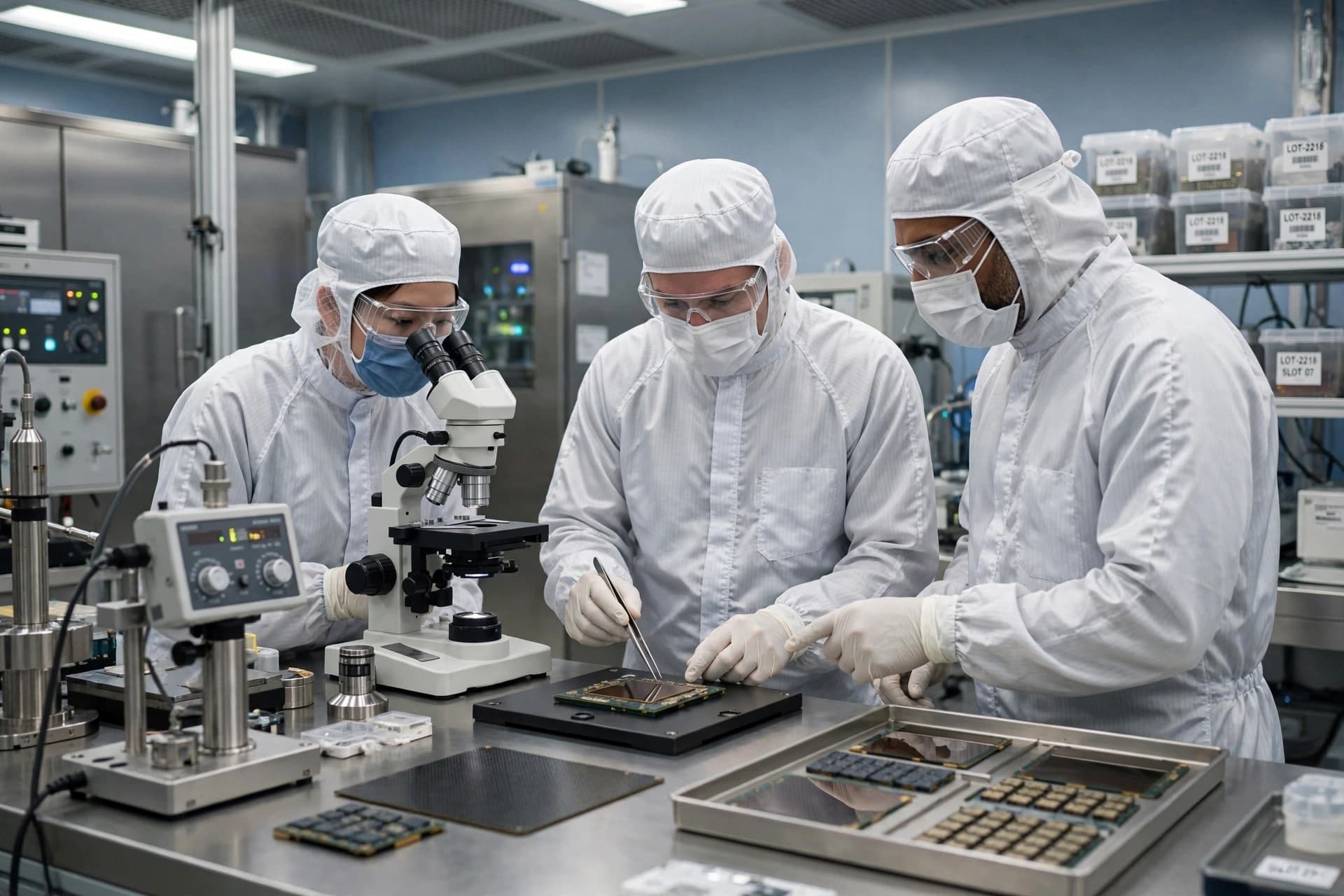
Illustrations were produced with AI and serve as conceptual depictions.
---
Sources
UNSW Sydney official newsroom
Published by Banx Network. This article is part of the Banx decentralized media programme, powered by the BXE token on the XRP Ledger.

.jpg&w=3840&q=75 "Qantas Grounds Plane After Passengers Report Bedbug Bites")